
Cultivate Your Best Garden!

Join Clara M. Greene's community for expert tips and seasonal guides tailored for American gardeners.

Herbs to Grow for Cooking


Herbs to Grow for Cooking

Posted on: 2026-08-11
By: Clara M. Greene


Are you ready to elevate your culinary skills and transform your dishes? Discover the art of growing culinary herbs and the delightful flavors they add to your cooking! Embarking on this journey can not only enhance your meals but also connect you with nature and creativity in the kitchen.

What You Will Learn

  • Fresh herbs dramatically enhance the flavor of your dishes, making them more enjoyable and vibrant.
  • Growing your own herbs is cost-effective, saving you money on store-bought products while ensuring a fresh supply.
  • Certain herbs, like basil and thyme, are versatile and can be used across various cuisines to boost flavor.
  • Gardening can be a therapeutic hobby, providing a rewarding way to connect with nature while cultivating your own food.
  • Proper tools and seasonal considerations are vital for successful herb cultivation, ensuring optimal growth and flavor.
  • Using freshly harvested herbs in dishes like salads or infused oils can create a gourmet cooking experience right at home.

Enhancing Your Cooking with Homegrown Herbs

Discover the journey from garden to gourmet as we explore the benefits, top choices, and cultivation tips for culinary herbs. For those just starting, understanding essential herbs for new growers can provide a solid foundation for a flourishing herb garden.

User submitting online form on tablet

Benefits of Homegrown Herbs

  • Freshness & Potency
  • Enhanced Flavor Variety
  • Cost-Effective & Sustainable
  • Nutritional Value

*Tastes better, saves money

Essential Tools for Cultivation

  • Hand Trowel & Pruners
  • 🌿 Pots with Good Drainage
  • 🌱 Quality Potting Mix
  • 🌳 Seeds or Starter Plants

*Start with the right gear

Top Versatile Culinary Herbs

  • 🌿 Basil (Italian dishes)
  • 🌿 Thyme (Meats & Veggies)
  • 🌿 Parsley (Freshness & Garnish)
  • 🌿 Cilantro (Mexican & Asian)

*Flavor for various cuisines

Harvest & Preservation Methods

  • 📦 Airtight Storage Containers
  • 🌱 Traditional Air Drying
  • Dehydrators for Speed
  • 💬 Proper Labeling & Storage

*Maximize your harvest year-round

Understanding the Value of Culinary Herbs in Cooking

Growing your own culinary herbs is more than just a trend—it's a delightful journey that can transform your cooking and elevate your dishes! Have you ever taken a whiff of fresh basil or rosemary straight from the garden? The aroma itself can inspire a whole new level of creativity in the kitchen. At All American Gardeners, we believe that home-grown herbs bring not only flavor but also a touch of nature to your culinary adventures!

So, why should you consider cultivating your own herbs? Let's dive in and explore the many benefits!

Why Grow Your Own Herbs for Cooking?

There are countless reasons to grow your own culinary herbs. For one, having fresh herbs on hand can enhance the flavor of your meals tremendously. You might wonder, what are the specific advantages? Here’s a quick rundown:

  • Freshness: Nothing beats the taste of herbs picked straight from your garden.
  • Flavor Variety: You can experiment with different herbs and discover new flavor profiles.
  • Health Benefits: Many herbs have incredible health properties, adding nutritional value to your meals.

Not only do fresh herbs improve the taste of your dishes, but they also provide a wonderful opportunity to connect with nature. Each time you snip off a few leaves, you're reminded of the hard work and care you put into your garden. It’s truly a rewarding experience! To further enhance your green space, consider exploring organic gardening tips for beginners.

Benefits of Fresh Herbs in Culinary Applications

Utilizing fresh herbs in your cooking can elevate your culinary skills. Think about it: a sprinkle of fresh parsley or a dash of basil can turn an ordinary dish into a gourmet experience! The vibrant colors and aromas of fresh herbs not only appeal to your palate but also to your senses. Plus, they can add a pop of color to your plate, making your meals visually stunning.

One of the best parts about fresh herbs is their versatility. You can use them in a variety of dishes—from soups and salads to marinades and desserts! Here are just a few common uses:

  • Flavoring sauces and dressings
  • Enhancing meat and vegetable dishes
  • Adding to salads for that extra zing

Cost-Effectiveness of Homegrown Herbs

If you’ve ever bought fresh herbs from the store, you know how quickly those little packets can add up! By growing your own, you can save money while enjoying a continuous supply. Imagine stepping outside to pick a handful of thyme whenever you need it—no more last-minute grocery runs! Plus, herbs are relatively inexpensive to grow, making them a fantastic option for budget-conscious gardeners.

And let’s not forget the joys of gardening itself! Tending to your plants can be incredibly therapeutic and fulfilling. At All American Gardeners, we’re here to guide you every step of the way on your herb-growing journey!

Identifying the Best Herbs to Grow for Cooking

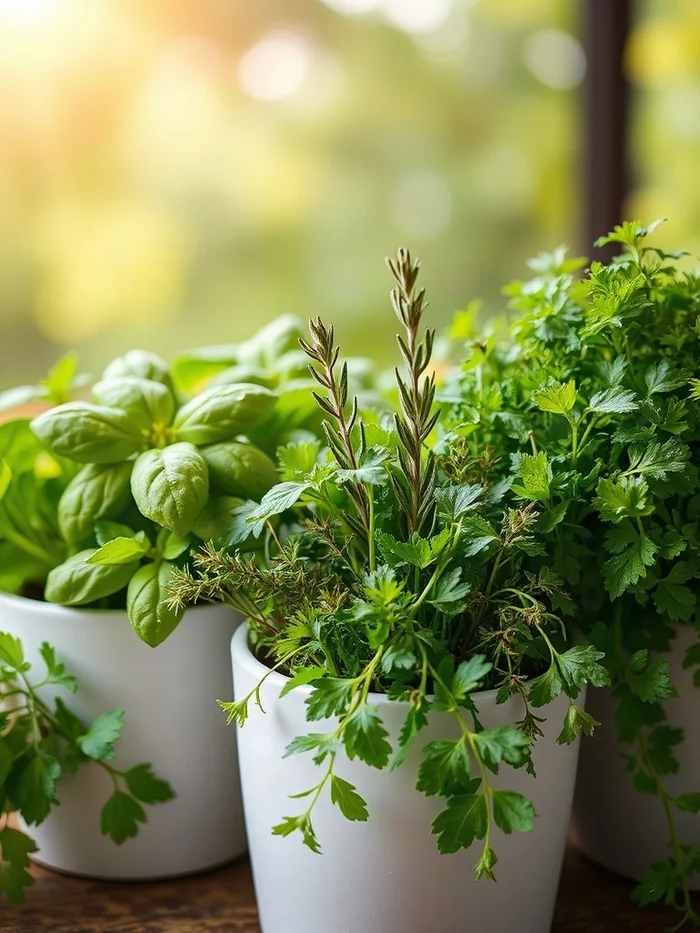
Now that we’ve covered the value of culinary herbs, let's dive into which ones are the best choices for your kitchen. Choosing the right herbs can make a significant difference in your cooking experience. Here are some of the top versatile culinary herbs to consider:

  • Basil: Perfect for Italian dishes and fresh salads.
  • Thyme: A great addition to various cuisines, enhancing flavor effortlessly.
  • Parsley: More than just a garnish, it adds a subtle freshness to many dishes.
  • Cilantro: Essential for Mexican and Asian recipes, bringing a unique zest.

By growing these herbs in your garden, you can ensure that you always have the freshest ingredients right at your fingertips!

Top Versatile Culinary Herbs for Every Kitchen

Let’s take a closer look at a few of the key herbs that no kitchen should be without!

Basil: The Essential Herb for Italian Dishes

Basil is often referred to as the “king of herbs.” It’s a classic choice for Italian cooking, especially in dishes like pasta and pizza. Growing basil is easy, and it thrives in sunny spots, making it perfect for any garden! Just remember to pinch off the flowering tops to keep your plant producing flavorful leaves!

Thyme: A Flavor Booster for Various Cuisines

This herb is incredibly versatile, pairing well with meats, vegetables, and even soups. Its earthy flavor makes it a must-have for any home cook. Thyme can also be used fresh or dried, giving you flexibility in the kitchen!

Parsley: The Garnish with Culinary Value

Often overlooked, parsley is a staple that adds a refreshing flavor to a variety of dishes. It’s also packed with vitamins and can be grown year-round in many regions. Try using it in salads, sauces, or even as a vibrant garnish!

Cilantro: Key Ingredient in Mexican and Asian Recipes

If you love bold flavors, cilantro is a must. It’s a key ingredient in salsas, curry, and salads. Whether you love it or hate it, growing cilantro can bring exciting flavors to your cooking repertoire!

We Want to Hear From You!

What culinary herbs are you most excited to grow in your garden? Share your thoughts with us!

Starting Your Herbal Gardening Journey

Embarking on the journey of growing your own culinary herbs can be incredibly rewarding! Here at All American Gardeners, we believe that anyone can cultivate their own herb garden, regardless of experience. With a bit of enthusiasm and some essential knowledge, you can transform your kitchen into a haven of fresh flavors!

Tips for Successful Herb Cultivation

Before diving into the planting process, let's gather a few essential tools and supplies. Getting started with the right resources will make your gardening experience smooth and enjoyable. You can find more information on essential tools for new gardeners to ensure you're well-equipped.

  • Garden Tools: A hand trowel, pruners, and gloves will be your best friends!
  • Pots and Containers: Ensure they have good drainage to prevent overwatering.
  • Quality Potting Mix: Look for a mix that is rich in organic matter.
  • Seeds or Starter Plants: Choose from the herbs you want to grow!

Once you have your supplies, it's crucial to consider when to plant. Timing can significantly affect your herbs' success. Generally, herb planting should align with seasonal considerations.

  • For most herbs, spring is the perfect time to start as the soil warms up.
  • In warmer climates, you might even consider a fall planting for a winter harvest!
  • Don't forget to check frost dates to protect tender plants!

Essential Tools and Supplies for Beginners

With the right tools and knowledge, you're on your way to a fruitful herb garden! Remember, every gardener started as a beginner, and with each seed sown, you gain invaluable experience!

When to Plant: Seasonal Considerations for Best Growth

Understanding your local climate is key. If you're unsure, resources like the USDA Plant Hardiness Zone Map can help you determine the best planting times for your area.

Encouraging a Flavorful Cooking Experience

Once you've harvested your herbs, the real fun begins—cooking with them! Freshly harvested herbs can elevate your dishes in ways that dried herbs simply can't. Let’s explore some simple yet delightful ways to incorporate your homegrown herbs into everyday cooking.

Using Freshly Harvested Herbs in Everyday Cooking

Imagine stepping into your kitchen, snipping off a handful of fragrant basil, and tossing it into your favorite pasta dish! Cooking with fresh herbs is not only rewarding but also enhances flavors remarkably.

  • Herb-Infused Oils: Create your own herb-infused oils for dressings!
  • Herb Butter: Blend herbs with softened butter for a delicious spread.
  • Herbal Teas: Use fresh mint or chamomile from your garden for a soothing brew.

Simple Recipes to Showcase Your Homegrown Herbs

Here are a couple of quick recipes to get you started:

  • Caprese Salad: Layer fresh mozzarella, tomatoes, and basil, then drizzle with balsamic vinegar!
  • Herbed Roasted Chicken: Rub your chicken with a mixture of rosemary and thyme before roasting for a flavorful meal!

Getting the Most from Your Harvest

To truly appreciate your herb garden, you'll want to make the most of your harvest. This can include drying, preserving, and storing your herbs for later use!

Methods for Drying and Preserving Fresh Herbs

  • Airtight Containers: Store dried herbs in glass jars to keep their flavors intact.
  • Air Drying: Hang herbs upside down in a cool, dark place.
  • Dehydrators: For quicker results, a dehydrator can speed up the drying process.

Storing and Using Dried Herbs: Best Practices

Once your herbs are dried, be sure to store them properly. Keeping them in a cool, dry space will help maintain their potency. Use them in your cooking, but remember that dried herbs are typically more concentrated than fresh, so adjust your quantities accordingly!

Join the Community of Herb Enthusiasts

As your herbal gardening journey unfolds, consider joining a community of fellow garden enthusiasts. There’s nothing quite like sharing your successes and learning from others!

Sharing Your Herb Gardening Success Stories

We love hearing about the triumphs of fellow gardeners! Sharing your experiences not only inspires others but also strengthens the gardening community.

  • Online Forums: Platforms like Reddit or GardenWeb are great for connecting with other gardeners.
  • Social Media Groups: Join Facebook groups dedicated to herb gardening for tips and support.
  • Local Gardening Clubs: Look for clubs in your area where you can meet fellow enthusiasts!

Exploring Online Resources and Local Gardening Groups

Online resources can offer a wealth of knowledge, from gardening blogs to YouTube channels that showcase various techniques. Getting involved in local gardening groups can also provide hands-on experience and camaraderie!

Engaging with Culinary Herb Blogs and Forums

There are countless culinary herb blogs that delve deeper into growing and cooking with herbs. Engaging with these resources can provide fresh ideas and recipes!

Connecting with Fellow Gardeners and Chefs Online

Interacting with fellow gardeners and chefs online can open up new avenues for sharing your love for herbs. Recipes, tips, and success stories create a rich tapestry of knowledge!

Call to Action: Start Growing Your Own Culinary Herbs Today!

Are you ready to dive into the delightful world of herb gardening? As you set your goals for a successful herb garden, remember that every journey begins with a single seed. Join me, Clara M. Greene, at All American Gardeners, and let’s cultivate those green thumbs together!

Setting Your Goals for a Successful Herb Garden

Begin by outlining your goals. Do you want to grow herbs for cooking, for beauty, or both? Whatever your vision, set realistic expectations, and remember to enjoy the process. Happy gardening!

Recap of Key Points

Here is a quick recap of the important points discussed in the article:

  • Freshness Matters: Growing your own herbs ensures you have fresh, flavorful ingredients at your fingertips.
  • Versatile Cooking: Culinary herbs can enhance a wide variety of dishes, from soups to desserts.
  • Cost-Effective Gardening: Homegrown herbs can save you money on store-bought herbs and provide a continuous supply.
  • Essential Herbs to Grow: Consider basil, thyme, parsley, and cilantro for a well-rounded kitchen garden.
  • Gardening Tips: Use quality soil, ensure good drainage, and plant herbs in the right season for best results.
  • Preservation Techniques: Learn to dry and store herbs to maintain their potency for later use.

Frequently Asked Questions About Growing Culinary Herbs

Q: Why should I grow my own culinary herbs instead of buying them?
A: Growing your own herbs offers superior freshness, enhanced flavor, cost savings, and a continuous supply. It also allows you to control the growing conditions and connect with nature.
Q: What are the best versatile herbs for a beginner to grow?
A: Basil, thyme, parsley, and cilantro are excellent choices for beginners due to their versatility in cooking and relatively easy cultivation.
Q: What essential tools do I need to start growing herbs?
A: Key tools include a hand trowel, pruners, pots with good drainage, quality potting mix, and either seeds or starter plants.
Q: When is the best time to plant culinary herbs?
A: For most herbs, spring is an ideal time to plant as the soil begins to warm. In warmer climates, fall planting can also be successful for a winter harvest.
Q: How can I preserve fresh herbs for later use?
A: You can preserve herbs through air drying, using a dehydrator, or storing them in airtight containers. Proper labeling and storage in a cool, dark place will maintain their potency.
Digital guide or eBook mockup

Final content section.


Subscribe & Share
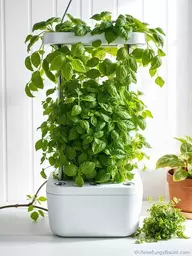
Growing Herbs with Hydroponics Growing Herbs with Hydroponics Why settle for store-bought herbs when you can grow your own at home, in any space? Hydroponic garde
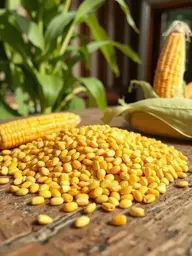
Growing Sweet Corn from Seeds Growing Sweet Corn from Seeds Ready to transform your gardening experience? Selecting the right sweet corn seeds can make all the
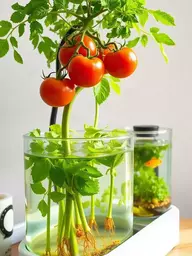
Growing Aquaponic Tomatoes at Home Growing Aquaponic Tomatoes at Home Imagine harvesting juicy, flavorful tomatoes while actively contributing to sustainable agriculture.
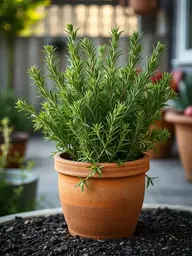
Soil Choices for Healthy Rosemary Soil Choices for Healthy Rosemary What if I told you that the secret to growing robust rosemary lies in the soil beneath your feet? Un
Exploring Hydroponic Greenhouse Benefits Exploring Hydroponic Greenhouse Benefits Have you ever wondered how innovative techniques in gardening can reshape our food production? Hydro
Growing Your Own Garlic Bulbs Growing Your Own Garlic Bulbs As you prepare to embark on your journey of growing garlic, consider this: garlic cultivation isn't
Banner
All American Gardeners

Your premier online resource for mastering home gardening across the U.S. We empower American home gardeners with expert tips, step-by-step guides, and sustainable practices for thriving outdoor spaces.

Trusted by gardeners nationwide, our mission is to provide reliable, easy-to-follow insights backed by Clara M. Greene's extensive horticulture experience and practical advice.

Cultivate Your Garden
Recent Posts
Growing Herbs with Hydroponics Growing Herbs with Hydroponics

Why settle for store-bought herbs when you can gro

Growing Sweet Corn from Seeds Growing Sweet Corn from Seeds

Ready to transform your gardening experience? Sele

Growing Aquaponic Tomatoes at Home Growing Aquaponic Tomatoes at Home

Imagine harvesting juicy, flavorful tomatoes while

Gardening Wisdom from All American Gardeners