Herb Categories & Uses
Culinary Herbs
- Flavor food (e.g., parsley, cilantro, chives).
- Enhance dishes with vibrant taste.
Medicinal Herbs
- Offer health benefits (e.g., chamomile, ginger).
- Used for soothing and healing properties.
Join Clara M. Greene's community for expert tips and seasonal guides tailored for American gardeners.
Posted on: 2026-03-01
By: Clara M. Greene
Have you ever thought about how a few fresh herbs can transform a simple dish into a culinary masterpiece? As you embark on your herb gardening journey, understanding the basics will empower you to enhance your meals and improve your health!
Discover the primary uses of culinary vs. medicinal herbs and the key factors for their successful maintenance and harvesting. If you're interested in maximizing your garden's output, consider exploring organic gardening tips for beginners to ensure your herbs thrive naturally.
Are you ready to embark on a flavorful journey into the world of herbs? As a passionate gardener here at All American Gardeners, I love sharing how herbs can transform not just your cooking but also your health. Whether you're looking to spice up your meals or tap into the medicinal properties of herbs, understanding the basics is the first step to success!
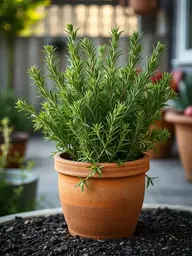
Herbs are more than just plants; they’re nature’s gifts that enhance our culinary adventures and health. In essence, herbs can be categorized into two main types: culinary herbs and medicinal herbs. Culinary herbs, like basil and rosemary, add flavor to dishes, while medicinal herbs, such as echinacea and peppermint, offer health benefits.
Understanding these distinctions can help you choose the right herbs for your needs. Whether you're cooking dinner or brewing a soothing herbal tea, knowing the purpose of each herb can elevate your experience!
Incorporating herbs into your daily routine can be a game changer! Not only do they add vibrant flavors, but many herbs also come packed with essential nutrients and antioxidants. For example, basil is rich in vitamin K, while sage can support digestion. It’s a win-win situation!
By growing your own herbs, you not only enjoy fresh ingredients but also gain satisfaction from nurturing your plants. Plus, herbs can be a great way to introduce your family to healthier meals. Isn’t it exciting to think about the possibilities? For more general plant care, check out our plant care tips for home gardeners.
As you dive into the world of herbs, choosing the right ones is crucial. Consider what you enjoy cooking or any specific health benefits you're interested in. Keep in mind that some herbs are easier to grow than others, which is especially important for beginners.
By evaluating these factors, you’ll set yourself up for success in your herb garden. Remember, the best herbs to grow are the ones that bring you joy and flavor!
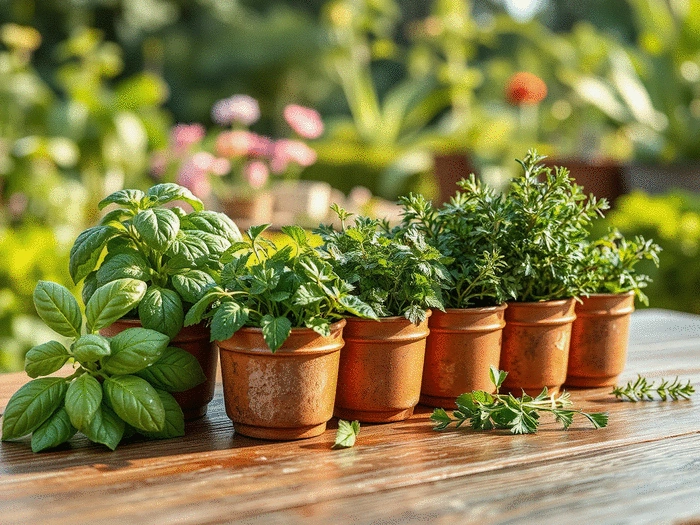
These popular herbs are not only easy to grow but also incredibly useful in everyday cooking. Starting with these will give you the confidence to explore more!
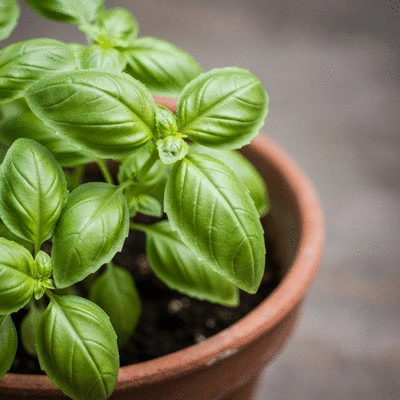
If you're just starting out, I highly recommend focusing on basil, mint, and parsley. They’re not only easy to grow but also widely used in various cuisines. Plus, they can flourish in pots, making them perfect for any garden space!
As you nurture these herbs, you’ll discover their unique flavors and benefits, enhancing your culinary skills along the way. Don't worry, with a little love and attention, you'll have a thriving herb garden before you know it!
As you begin your herb gardening adventure, we’d love to know: Which herb are you most excited to grow? Share your thoughts with us!
Culinary herbs are primarily used to flavor food (e.g., basil, parsley), while medicinal herbs are known for their health benefits (e.g., chamomile, ginger).
Growing your own herbs provides fresh ingredients, enhances meal flavors, offers various health benefits, and brings the satisfaction of nurturing plants.
Key factors include your local climate and growing zone, the available space for gardening (e.g., garden beds vs. containers), and your personal preferences for cooking or health benefits.
Basil, mint, and parsley are popular choices for beginners because they are easy to grow, versatile in cooking, and can thrive in pots.
It's best to check the soil moisture regularly. Water when the top inch of soil feels dry, typically in the morning to prevent evaporation.
Harvest herbs in the morning, after the dew has dried but before the sun gets too hot, as this is when their essential oils are most concentrated.
For short-term storage, wrap herbs in a damp paper towel and place them in a plastic bag in the refrigerator. For long-term storage, you can dry them by hanging or freeze them in ice cube trays with olive oil.
As you nurture your herb garden, it's essential to keep a close eye on their care to ensure healthy growth. Just like any plant, herbs have specific needs when it comes to maintenance. From watering to pest control, understanding these basics will help you produce a bountiful harvest!
When it comes to caring for your herbs, two critical aspects are watering and pruning. Each herb may have slightly different requirements, but as a general guideline, it’s good to check the moisture level in the soil regularly. A simple test is to stick your finger about an inch deep; if it feels dry, it’s time to water!
Additionally, keeping an eye on potential pests and diseases is essential. Don't be discouraged if you encounter some challenges—every gardener faces them! A proactive approach will help you identify and deal with issues before they escalate. For more detailed information, consider our guide on essential plant care checklist.
Common pests like aphids and spider mites can be a nuisance, but with vigilance, you can keep them at bay. Look for signs of distress, such as yellowing leaves or webbing. Use natural remedies like neem oil or insecticidal soap to treat infested plants. Remember, maintaining a healthy garden is all about balance!
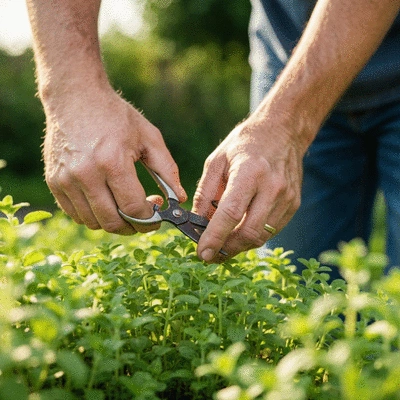
Knowing when to harvest your herbs is just as important as learning how to take care of them. Each herb has its own ideal time for picking to ensure maximum flavor and potency. For instance, you can start snipping basil once the plant has reached about 6 inches tall.
With herbs like mint or dill, you’ll want to ensure they're not flowering, as this can diminish their flavor. Trust your senses—if it smells amazing, it’s time to pick!
After you've harvested your herbs, storing them correctly is vital to preserve their freshness. Here are a few tips:
Remember, the joy of gardening comes not just from growing herbs but also from using them in your cooking! Enjoy the flavors and benefits of your hard work, and don't hesitate to share your experiences with fellow gardeners at All American Gardeners. Happy harvesting! If you're looking for more ways to grow fresh produce, consider starting hydroponics with a beginner's guide.
Here is a quick recap of the important points discussed in the article: