Environmentally Friendly
Reduces harmful chemicals, protecting local wildlife and waterways.
Join Clara M. Greene's community for expert tips and seasonal guides tailored for American gardeners.
Posted on: 2026-04-08
By: Clara M. Greene
As the weather warms up, our outdoor spaces become targets for pesky mosquitoes. But what if you could turn your garden into a natural barrier against these insects? By choosing the right plants, you can create a beautiful and effective mosquito-repelling garden. Let's explore the essential insights from this approach!
This visual highlights the key advantages of using natural mosquito control methods, categorized for clarity and easy understanding. For those new to gardening, understanding these benefits is as crucial as learning about essential tools for new gardeners.
Reduces harmful chemicals, protecting local wildlife and waterways.
Many plants are easy to grow and maintain, saving money on commercial repellents.
Minimizes health risks for family and pets by avoiding synthetic chemicals.
Many plants also serve culinary or aesthetic purposes, adding value to your garden.
As we venture into the warmer months, the buzz of mosquitoes can quickly turn a serene garden into a battleground. But did you know that plants play a vital role in creating a natural mosquito repellent strategy? Not only do these plants help keep pesky bugs at bay, but they also bring beauty and fragrance to our outdoor spaces. Let’s explore how we can harness the power of nature for effective mosquito control!
Choosing natural mosquito repellent plants is a fantastic way to create a harmonious garden environment. Many of these plants emit scents that are offensive to mosquitoes, effectively making your yard a less inviting place for them. Plus, they can enhance your garden's aesthetic while providing additional benefits—like fresh herbs for your kitchen!
Natural mosquito repellent plants are a sustainable choice, aligning perfectly with our mission at All American Gardeners to promote eco-friendly practices. By incorporating these plants into your garden, you're not only protecting yourself but also nurturing the ecosystem. Here are a few compelling reasons to consider:
By growing natural repellents, you cultivate a space that is both welcoming and protective. Embracing this approach allows us to connect more deeply with nature while maintaining a mosquito-free oasis.
Understanding how mosquitoes perceive scents is key to successfully utilizing plants for repellent strategies. Mosquitoes are naturally drawn to certain odors, particularly those emitted by carbon dioxide, sweat, and body heat. However, they can also be repelled by specific plant oils!
By strategically planting these aromatic species in your garden, you can manipulate the scents in the air, creating a barrier against unwanted insects. As someone who deeply appreciates the art of gardening, I can assure you that combining beauty with functionality is the way to go!
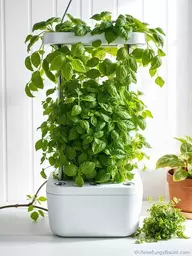
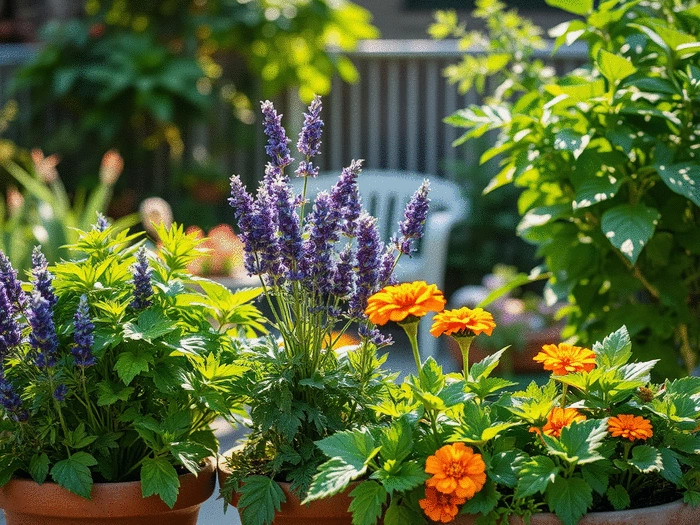
To maximize the effectiveness of your mosquito-repelling garden, consider grouping plants with similar scents together. This not only enhances the aromatic barrier against mosquitoes but also creates a visually stunning focal point in your garden. For example, combine citronella, lavender, and basil in a designated area to create a fragrant retreat that both repels pests and attracts beneficial insects!
As we explore the world of gardening and pest management, I can't help but emphasize the benefits of using natural mosquito control. Not only do these plants beautify your garden, but they also provide an eco-friendly way to deter those pesky insects. By choosing natural methods, you’re contributing to a healthier environment while enjoying a tranquil outdoor space!
When you incorporate mosquito-repelling plants into your garden, you're not just creating a barrier against pests; you're also enhancing biodiversity. This leads to a thriving ecosystem, attracting beneficial insects that will help your garden flourish! Plus, it’s a fantastic way to engage with nature and enjoy the fruits of your labor.
Choosing natural mosquito control has several advantages, making it a wise and sustainable choice for gardeners. Here are a few reasons to consider:
As a gardening enthusiast, I can tell you that these benefits not only enhance your outdoor experience but also foster a deeper connection with your garden!
I've heard inspiring stories from fellow gardeners who have successfully implemented mosquito-repelling plants in their homes. Many have shared how simple additions like lavender and citronella not only keep bugs at bay but also create a lovely ambiance in their outdoor spaces. Here are some common experiences:
These testimonials highlight the real-life impact of natural mosquito control, inspiring others to follow suit. It’s a beautiful reminder that gardening is not just about plants; it’s about community and shared experiences!
Ready to take action? Starting your mosquito-repelling garden is easier than you might think! Here’s a straightforward plan to help you get started:
With these steps, you’ll be well on your way to creating a lush, mosquito-resistant garden that you’ll love spending time in!
Gardening is often more enjoyable when you share the journey with others! Consider joining local gardening clubs or online forums where you can exchange tips and success stories about mosquito-repelling plants. Here are some ideas:
By engaging with your community, you’ll not only enrich your gardening knowledge but also spread awareness about the benefits of natural mosquito control! At All American Gardeners, we love hearing about your experiences and tips, so don’t hesitate to reach out!
Finding the right plants for your garden is crucial. Luckily, there are plenty of local resources to explore! Here’s where you can look for mosquito-repelling plants and seeds:
By sourcing locally, you’re not only supporting your community but also ensuring that you’re planting species that thrive in your area. Happy gardening!
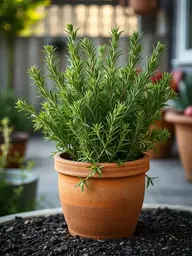
A1: Some of the most effective plants include Citronella grass, Lavender, Marigolds, Basil, Catnip, Rosemary, Peppermint, and Lemon Balm. These plants emit scents that mosquitoes find unappealing.
A2: Mosquito-repelling plants typically contain natural compounds and oils that, when released into the air (often by brushing against them or crushing their leaves), mask the scents that attract mosquitoes, such as carbon dioxide and lactic acid from humans.
A3: Yes, many mosquito-repelling plants can be grown indoors in pots, especially near windows or doorways, to help deter mosquitoes from entering your home. Good options for indoors include basil, rosemary, and peppermint.
A4: For best results, plant them in areas where you spend the most time outdoors, such as around patios, decks, and seating areas. Grouping several types of repellent plants together can create a more potent barrier. You can also strategically place potted plants around entry points to your home.
A5: Most common mosquito-repelling plants are generally safe, but it's always wise to research specific plants if you have pets or small children who might ingest them. For instance, while safe for cats to be around, catnip can be stimulating if eaten. Always supervise children and pets around new plants.
Here is a quick recap of the important points discussed in the article: