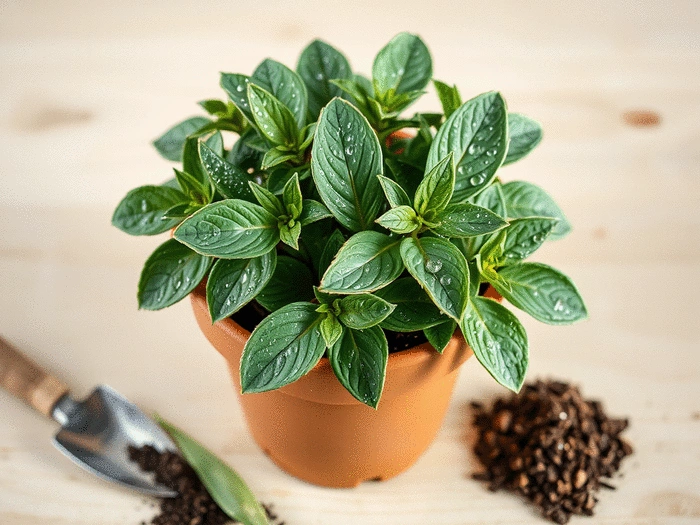
Optimal Planting Conditions
- Sunlight: Full sun (6-8 hours daily)
- Soil: Well-draining, sandy/loamy, pH ~7.0
- Spacing: 18-24 inches apart
- Timing: Spring (after last frost) or Fall (warm climates)
Join Clara M. Greene's community for expert tips and seasonal guides tailored for American gardeners.
Posted on: 2026-04-21
By: Clara M. Greene
Understanding the incredible versatility of sage can transform your gardening experience. Did you know that this herb not only enhances your culinary creations but also adds beauty to your garden? Let's dive into key insights about growing sage that will elevate your gardening journey.
Sage thrives in specific conditions and benefits from consistent care. This visual summarizes the key environmental needs and nurturing practices for successful sage cultivation.
Welcome to the wonderful world of sage! As a passionate gardener, I can’t emphasize enough how versatile and rewarding this herb can be in your garden. Whether you’re looking for a culinary delight or an ornamental beauty, sage (Salvia officinalis) has something to offer for everyone. In this guide, I’ll share essential insights about growing sage, so you can enjoy its many benefits right in your own backyard! For more general advice on plant care, check out these plant care tips for home gardeners.
Sage is a perennial herb known for its aromatic leaves and culinary uses. Not only does it add a unique flavor to your dishes, but it also offers numerous health benefits. Rich in antioxidants, sage is believed to support digestion and has anti-inflammatory properties. Growing sage in your garden means you can enjoy these advantages while enhancing the beauty of your outdoor space!
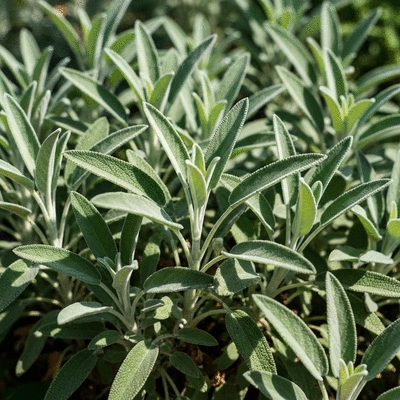
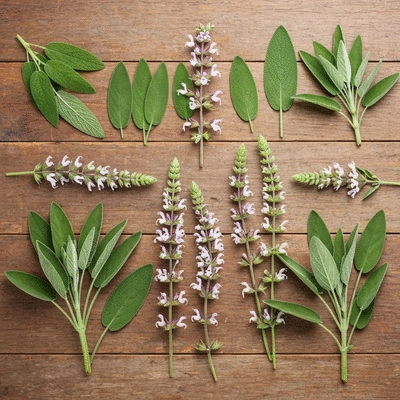
One of the best parts about sage is its dual purpose. In the kitchen, it pairs beautifully with meats, poultry, and even vegetables. Its distinct flavor elevates a variety of recipes, making it a must-have for any home cook. But it doesn’t stop there! Sage also makes a stunning addition to ornamental gardens, with its lovely silvery-green foliage and purple blooms. It’s truly a win-win!
Sage has a rich history, steeped in cultural significance. Historically, it was revered by ancient civilizations, often associated with wisdom and immortality. From culinary uses in European cuisine to its role in traditional medicine, sage has found a place in countless cultures. Understanding this history can deepen your appreciation for this remarkable herb as you cultivate it in your own garden.
To ensure your sage thrives, it needs a sunny spot in your garden. Aim for at least 6 to 8 hours of direct sunlight each day. As for soil, sage prefers well-draining, sandy or loamy conditions. A slightly alkaline pH level (around 7.0) is ideal. If your garden soil is heavy or clay-like, consider adding compost or sand to enhance drainage!
The best time to plant sage is in the spring after the last frost, or you can start seeds indoors 6 to 8 weeks before the last frost date. If you live in a warmer climate, you can also plant sage in the fall. Just keep an eye on local weather conditions to ensure your plants get off to a strong start!
When planting sage, make sure to give it enough space to spread out. Aim to plant your sage at least 18 to 24 inches apart. This spacing not only allows for air circulation but also helps prevent disease. Plus, it gives your plants room to grow large and lush!
By understanding these growing conditions, you’ll set your sage up for success and enjoy a bountiful harvest of this delightful herb! You might also find these organic gardening tips for beginners helpful.
One of the most important aspects of sage care is watering. Sage prefers to dry out a bit between waterings—overwatering can lead to root rot. I suggest sticking your finger into the soil about an inch deep; if it feels dry, it's time to water! This simple practice ensures your sage remains healthy and happy.
When it comes to fertilization, sage is low-maintenance. In fact, it often thrives in nutrient-poor soil! If you choose to fertilize, use a balanced, organic fertilizer in early spring. Remember, a little goes a long way—too much fertilizer can actually harm your plants.
Regular pruning is essential for maintaining the health of your sage plants. Prune back about one-third of the plant in early spring to encourage bushier growth and prevent it from becoming woody. Don’t forget to remove any dead or damaged leaves throughout the growing season. This helps keep your plants vibrant and productive!
By incorporating these organic gardening techniques, you can enhance the health of your sage and enjoy a flourishing garden. Remember, holistic approaches not only benefit your plants but also promote a healthier ecosystem!
While common sage is a staple in many kitchens, there are numerous culinary varieties worth exploring! For instance, pineapple sage adds a fruity flavor, while golden sage showcases stunning golden leaves. Each variety brings its own unique twist to dishes and can be a fantastic way to diversify your culinary experience.
If you're looking to add visual interest to your garden, consider ornamental sage varieties like Vatican White. This variety features striking white leaves and beautiful purple flowers. It not only serves as an eye-catching focal point but also attracts pollinators, enhancing the overall health of your garden.
For those with water restrictions or a low-maintenance garden in mind, drought-resistant sage varieties like Desert Sage are perfect! These varieties require less water while still producing flavorful leaves. Incorporating drought-resistant plants is a fantastic way to conserve water and create a sustainable garden.
Like any plant, sage can face challenges. One common issue is powdery mildew. To combat this, ensure your plants have adequate air circulation and avoid overhead watering. If you spot any signs of disease, act quickly to prevent further spread. Healthy plants are more resilient, so keep your sage well-cared for!
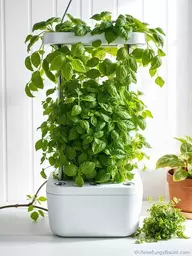
Did you know you can grow sage indoors? It’s a great way to ensure you have fresh herbs year-round! Choose a sunny windowsill, and keep your potting mix well-drained. Indoor sage prefers similar conditions to outdoor sage, so follow the same care guidelines for optimal growth.
By utilizing these pest control strategies, you can keep your sage healthy and thriving, ensuring a bountiful harvest for your culinary adventures!
Here are some common questions about growing sage:
Harvesting sage is easy and rewarding! The best time to pick sage is in the morning after the dew has dried but before the heat of the day sets in. Use sharp scissors to snip the leaves or stems, taking care not to remove more than one-third of the plant at a time.
With your fresh sage in hand, the culinary possibilities are endless! From sage-infused butter to savory roasted meats, this herb can elevate any dish. Consider trying a classic sage and brown butter sauce over pasta or a simple sage tea for a delightful treat!
These preservation techniques ensure that you can enjoy the flavor of sage long after the harvest. Plus, they’re a wonderful way to share your gardening success with friends and family!
Companion planting is a fantastic way to create a harmonious garden. Sage pairs beautifully with herbs like rosemary and thyme, enhancing their growth and flavor. Not only does growing them together improve their health, but it also saves space in your garden!
Sage is a magnet for pollinators! Its vibrant flowers attract bees and butterflies, which are essential for a thriving garden ecosystem. By planting sage, you not only benefit your own gardening experience but also contribute to the health of local pollinator populations.
By incorporating these companion plants, you can create a thriving, diverse garden that supports the growth of your beloved sage and enhances its flavor.
Did you know that regularly harvesting sage can actually promote bushier growth? By snipping off leaves, you encourage the plant to produce more foliage, ensuring a continuous supply of fresh sage for your culinary creations. Make it a routine to gather your herbs early in the morning for the best flavor!
Congratulations on embarking on your journey to grow sage! As a passionate gardener, you’ve explored the many facets of this versatile herb, from its culinary delights to its ornamental beauty. Now that you’re equipped with the essential insights and care tips, let’s recap the key takeaways that will help you nurture your sage plants successfully.
Remember, every gardening journey has its ups and downs! Embrace the learning curve and don’t hesitate to adapt your methods as you go along.
Now that you’ve gathered valuable knowledge on growing sage, it’s time to connect with others who share your passion! Engaging with the gardening community can provide support, inspiration, and new ideas for your gardening endeavors.
Consider joining online forums and social media groups dedicated to gardening. These platforms are fantastic for sharing your experiences, asking questions, and discovering tips from fellow gardeners. Platforms like Facebook and Reddit have vibrant communities where you can learn from others and share your sage successes!
There’s always more to learn, and I’m here to help you deepen your understanding of sage and other herbs!
Diving into the world of herbal remedies can be a rewarding aspect of your sage journey. For centuries, sage has been recognized for its medicinal properties, including its anti-inflammatory and antioxidant benefits. You might want to explore how to use sage in teas, tinctures, and other traditional medicine practices. This can be a fulfilling way to enhance not just your garden, but also your wellness journey! For more on cultivating herbs, check out our guide on starting your year-round herb garden.
As you continue to grow and explore, remember that every seed sown not only nurtures plants but also fosters community and connection. Happy gardening from all of us at All American Gardeners!
Here is a quick recap of the important points discussed in the article: