Ways to Grow Basil Successfully
Posted on: 2026-08-17
By: Clara M. Greene
Did you know that basil is one of the easiest herbs to grow, making it a favorite among both novice and experienced gardeners? Here’s what you can learn about cultivating this aromatic herb and incorporating it into your culinary adventures!
What You Will Learn
- Basil thrives in various growing conditions, making it suitable for indoor and outdoor gardens.
- Different basil varieties, such as Sweet, Thai, and Genovese, cater to diverse culinary needs.
- Selecting high-quality seeds from reputable suppliers is crucial for a successful basil garden.
- Key care tips include providing ample sunlight, maintaining ideal temperatures, and regular pruning.
- Incorporating basil into recipes, like pesto and Caprese salad, enhances flavor and showcases your gardening success.
Basil Cultivation: A Step-by-Step Guide for a Thriving Harvest
Unlock the secrets to a flourishing basil garden with this comprehensive guide, covering everything from seed selection to essential care tips and culinary uses. For those looking to expand their green thumb beyond basil, exploring growing your own herb garden can provide even more rewarding experiences.
What Makes Basil Popular?
- Versatility: Fresh or dried, pairs with many ingredients.
- Culinary Uses: Essential in many cuisines (e.g., pesto, garnishes).
- Aesthetic Appeal: Lush green leaves enhance garden beauty.
A must-have for any gardener.
Basil Varieties for Your Needs
- Sweet Basil: Classic for Italian dishes.
- Thai Basil: Spicy, anise-like flavor for Asian cuisine.
- Genovese Basil: Rich flavor, ideal for pesto.
- Lemon Basil: Citrusy twist for teas & desserts.
Choose based on taste & climate.
Selecting Quality Basil Seeds
- Reputable Suppliers: Purchase from trusted stores.
- Check Freshness: Look for recent harvest dates.
- Organic Options: Opt for certified organic seeds.
Foundation for a thriving garden.
Essential Basil Care Tips
- Ample Sunlight: At least 6 hours daily.
- Ideal Temperatures: 70°F to 80°F.
- Well-Draining Soil: Rich in organic matter.
- Water Wisely: Moist, not soggy soil.
- Prune Regularly: Encourages bushier growth.
Key to a bountiful harvest.
Step-by-Step Basil Planting
- Choose Seeds.
- Prepare Soil.
- Sow Seeds (¼ inch deep).
- Water Gently.
- Place in Sunlight.
- Thin Seedlings.
Transform gardening dreams into reality.
Cooking with Your Homegrown Basil
- Pesto: Basil, garlic, pine nuts, Parmesan.
- Caprese Salad: Tomatoes, mozzarella, fresh basil.
- Basil-Infused Oils: Steep leaves in olive oil.
Elevate your dishes with fresh flavor.
Understanding the Basics of Growing Basil
Growing basil is one of the most rewarding experiences in home gardening! This aromatic herb not only adds flavor to your dishes but also thrives in a variety of growing conditions, making it a favorite among gardeners. Whether you're a novice or an experienced green thumb, learning the basics of basil cultivation can set you on the path to a flourishing garden.
At All American Gardeners, I believe understanding the fundamentals is crucial for success. That's why I’m excited to share some insights into what makes basil such a popular herb for gardening, the different varieties available, and how to select quality seeds.
What Makes Basil a Popular Herb for Gardening?
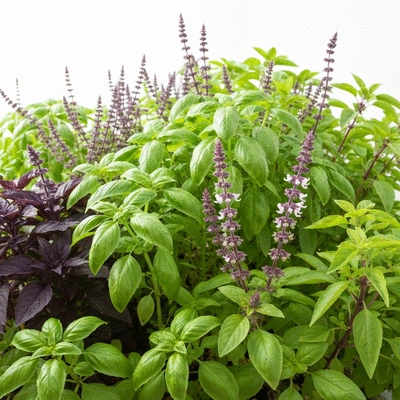
Basil is often hailed as a powerhouse herb in the kitchen, and for good reason! Its fragrant leaves can elevate any dish, from pasta to salads, giving home cooks a touch of gourmet flair. But it's not just the flavor that makes basil a favorite—it's also relatively easy to grow and can be cultivated both indoors and outdoors.
- Versatility: Basil can be used fresh or dried, and it pairs well with a wide range of ingredients.
- Culinary Uses: From pesto to garnishes, basil is an essential ingredient in many cuisines.
- Aesthetic Appeal: The lush green leaves can brighten up any garden space, making it visually appealing.
These qualities make basil a must-have in any gardener's repertoire. Plus, it’s an excellent starter plant for those just dipping their toes into the gardening world! To ensure overall plant health and vibrant growth, remember that an essential plant care checklist can guide you in providing the best environment for all your herbs and plants.
Different Types of Basil: Choosing the Right Variety for Your Needs
When it comes to basil, several varieties cater to different tastes and uses! From sweet to spicy, every type of basil brings its unique flavor profile to the table. Here are a few popular varieties you might consider:
- Sweet Basil: The classic choice for Italian dishes.
- Thai Basil: Features a spicy, anise-like flavor, perfect for Asian cuisine.
- Genovese Basil: Renowned for its rich flavor, ideal for pesto.
- Lemon Basil: Offers a citrusy twist, great for teas and desserts.
Choosing the right basil variety is essential based on your culinary preferences and regional growing conditions. I always recommend trying a few different types to discover your favorites!
Basil Seeds: How to Select and Source Quality Seeds
Selecting quality basil seeds is one of the first steps to ensuring a healthy crop. When sourcing seeds, keep the following tips in mind:
- Reputable Suppliers: Purchase seeds from trusted stores or online retailers that specialize in gardening.
- Check for Freshness: Look for seeds with a recent harvest date, as older seeds may have lower germination rates.
- Organic Options: If you’re keen on organic gardening, opt for certified organic seeds for the best results.
By investing in high-quality seeds, you're setting the stage for a thriving basil garden. Remember, every great garden begins with a solid foundation!
Pro Tip
Did you know that regularly harvesting your basil not only enhances its flavor but also promotes bushier growth? By pinching off the leaves at the top of the plant, you encourage it to produce more stems, resulting in a more abundant harvest. Don’t be shy—your basil will thrive with a little TLC!
Summarizing the Key Steps to Successfully Grow Basil
Growing basil is a rewarding experience, and summarizing key steps can help you achieve a bountiful harvest! At All American Gardeners, we believe in making gardening accessible and enjoyable for everyone. Here are the essential care tips to ensure your basil thrives:
- Provide Ample Sunlight: Basil loves sunlight! Aim for at least 6 hours of direct sunlight each day.
- Maintain Ideal Temperatures: Keep your basil in a warm environment, ideally between 70°F to 80°F.
- Choose Well-Draining Soil: A mix rich in organic matter will help your basil grow strong and healthy.
- Water Wisely: Pay attention to moisture levels. Basil prefers its soil to be moist but not soggy.
- Prune Regularly: Regular pruning encourages bushier growth and prevents flowering too soon.
By following these key steps, you'll set yourself up for success in growing this versatile herb right in your backyard or kitchen!
Reviewing the Essential Care Tips for Thriving Basil
As we delve deeper into the care tips for basil, remember that every gardener has their unique approach. At All American Gardeners, we emphasize the importance of understanding each plant's needs. Here are some tips to keep in mind:
- Monitor moisture levels by checking the top inch of soil; if it feels dry, it's time to water.
- Ensure good airflow around your plants to prevent mold and diseases.
- Fertilize every few weeks with a balanced fertilizer to promote healthy growth.
These tips can help you maintain flourishing basil plants that will reward you with abundant leaves for cooking and garnishing!
Encouraging Basil Growth: Final Thoughts and Recommendations
Getting started with your basil journey can be an exciting adventure! At All American Gardeners, I love sharing practical advice to guide you every step of the way. Let's explore how to kick off your first basil plant effectively. For those interested in sustainable practices, learning about organic gardening tips for beginners can further enhance your gardening success.
Getting Started: A Step-by-Step Guide to Your First Basil Plant
Starting your first basil plant can be a delightful process. Here’s a simple, step-by-step guide to help you get going:
- Choose Your Seeds: Select a basil variety that appeals to you, like sweet basil or Thai basil.
- Prepare Your Soil: Mix equal parts of potting soil and compost in a container with good drainage.
- Sow Seeds: Plant basil seeds about ¼ inch deep and cover lightly with soil.
- Water Gently: Use a spray bottle to moisten the soil without washing away the seeds.
- Place in Sunlight: Position your container in a sunny spot where it can bask in light.
- Thin the Seedlings: Once they sprout, thin out the weaker plants to allow others to thrive.
Following these steps can transform your gardening dreams into a reality!
Cooking with Basil: Exploring Recipes to Elevate Your Dishes
Basil isn’t just a garden star; it's also a culinary superstar! Once you've grown your basil, consider using it in various delicious dishes. Here are a few ideas to get you started:
- Pesto: Blend fresh basil with garlic, pine nuts, and Parmesan for a vibrant sauce.
- Caprese Salad: Layer sliced tomatoes and mozzarella with fresh basil for a refreshing salad.
- Basil-Infused Oils: Create your flavored oils by steeping basil leaves in olive oil.
These recipes not only enhance flavor but also showcase your homegrown basil in delightful ways!
Frequently Asked Questions About Growing Basil
Q: What are the best conditions for growing basil?
A: Basil thrives in at least 6 hours of direct sunlight daily and prefers warm environments, ideally between 70°F to 80°F (21°C to 27°C). It also needs well-draining soil rich in organic matter.
Q: How often should I water my basil plant?
A: Basil prefers its soil to be consistently moist but not soggy. Check the top inch of soil; if it feels dry, it's time to water gently.
Q: Why is regular pruning important for basil?
A: Regular pruning encourages bushier growth and prevents the plant from flowering too soon. Pinching off the top leaves promotes the growth of more stems, leading to a more abundant harvest.
Q: What are some popular basil varieties and their uses?
A: Popular varieties include Sweet Basil (for Italian dishes), Thai Basil (spicy, anise-like flavor for Asian cuisine), Genovese Basil (rich flavor for pesto), and Lemon Basil (citrusy twist for teas and desserts).
Q: How do I select quality basil seeds?
A: Purchase seeds from reputable suppliers, check for a recent harvest date to ensure freshness, and consider opting for certified organic seeds for the best results, especially if you're practicing organic gardening.
Join the Community: Sharing Your Basil Growing Experience and Tips
As we wrap up, I encourage you to join the vibrant community of gardeners. Sharing experiences, tips, and even photos of your basil plants can be so rewarding! Consider connecting with fellow gardeners on social media platforms or local gardening clubs. Engaging with others can provide support, inspiration, and a sense of belonging in your gardening journey.
Remember, every gardener has a story to tell, and I can’t wait to hear yours! Happy gardening from All American Gardeners! 🌱
Recap of Key Points
Here is a quick recap of the important points discussed in the article:
- Versatility of Basil: This herb enhances various dishes and can be grown indoors or outdoors.
- Choosing the Right Variety: Explore different types of basil such as Sweet, Thai, Genovese, and Lemon Basil based on your culinary needs.
- Seed Selection: Source quality seeds from reputable suppliers and check for freshness, especially if opting for organic options.
- Essential Care Tips: Ensure your basil receives ample sunlight, maintain ideal temperatures, and provide well-draining soil.
- Water Wisely: Keep the soil moist but not soggy, and monitor moisture levels regularly.
- Engage with the Gardening Community: Share your experiences and learn from others to enhance your gardening journey.
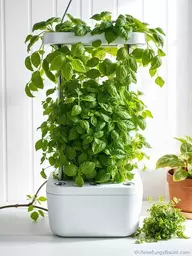 Why settle for store-bought herbs when you can grow your own at home, in any space? Hydroponic garde
 Ready to transform your gardening experience? Selecting the right sweet corn seeds can make all the
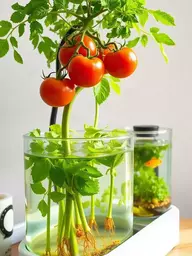 Imagine harvesting juicy, flavorful tomatoes while actively contributing to sustainable agriculture.
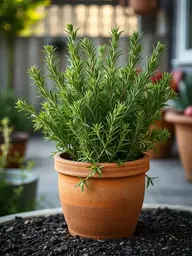 What if I told you that the secret to growing robust rosemary lies in the soil beneath your feet? Un
 Have you ever wondered how innovative techniques in gardening can reshape our food production? Hydro
 As you prepare to embark on your journey of growing garlic, consider this: garlic cultivation isn't