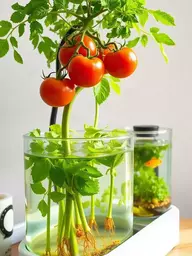
As you embark on your hydroponic gardening journey, understanding the quality of water that nourishes your plants is paramount. Here’s a thought-provoking insight: Did you know that the success of your entire garden can hinge on the kind of water you use? Let's explore the essential lessons that can transform your gardening experience!
What You Will Learn
Nutrient Uptake Is Key: High water quality ensures better nutrient absorption for plant growth.
Importance of Clean Water: Prevent pathogens and diseases by using filtered, clean water for your hydroponic systems.
Testing pH Levels: Regularly testing and maintaining appropriate pH levels is crucial for nutrient availability.
Myth Busting: Not all water is created equal; understand your water source to avoid detrimental effects on your plants.
Sustainable Practices Matter: Implement eco-friendly water options like rainwater harvesting for a greener approach.
Hydroponics Water Quality Essentials
Understanding and maintaining optimal water quality is paramount for successful hydroponic gardening. This visual guide highlights critical factors and common misconceptions. If you're new to this method, our beginner's guide to hydroponics can help you get started.
Why Water Quality is Essential
✓ Nutrient Availability
✓ Pathogen Prevention
✓ Root Health
Common Misconceptions
✗ All Water is Equal
✗ pH Isn't Important
✗ Filtering Isn't Necessary
Sustainable Practices
★ Rainwater Harvesting
★ Water Recycling
★ Drip Irrigation
★ Regular Testing
Next Steps for Improvement
● Evaluate Water Source
● Invest in Filtration
● Regular Maintenance
● Record Findings
Understanding Water Quality Needs for Hydroponics
When it comes to hydroponics, water quality isn't just important—it's crucial! As a gardener, you may have realized that water is the lifeblood of your plants. In hydroponic systems, where soil is replaced by a nutrient-rich water solution, the quality of that water can make or break your growing success. Without the right water quality, your plants can suffer from nutrient deficiencies, stunted growth, or even failure to thrive!
Water quality affects everything from plant health to the efficiency of nutrient absorption. In this section, we'll explore why understanding water quality is essential for hydroponic gardening and address some common misconceptions that can lead to less-than-optimal results.
Why Water Quality Is Essential in Hydroponic Systems
In hydroponics, plants rely entirely on water to deliver essential nutrients. Here's why maintaining high water quality is essential:
Nutrient Availability: The water quality influences how well plants can uptake nutrients. A well-balanced pH and nutrient level are essential for optimal growth.
Pathogen Prevention: Clean water helps prevent diseases that can arise from contaminants and pathogens present in lower-quality water.
Root Health: Healthy roots are crucial for plant stability and nutrient absorption. Poor water quality can lead to root rot and other issues.
As any dedicated gardener knows, protecting your plants starts with understanding their needs! Water quality plays a pivotal role that shouldn't be overlooked. For more insights into optimal plant health, consider our essential plant care checklist.
Common Misconceptions About Water in Hydroponics
Many new gardeners have misconceptions about water in hydroponics. Let’s clear up some of these misunderstandings:
All Water is Equal: Not all water sources provide the same quality. Tap water, for instance, can contain chlorine and other chemicals that can harm your plants.
pH Isn't Important: Some believe that if the water looks clean, it must be good. In reality, pH levels significantly affect nutrient availability.
Filtering Isn't Necessary: Skipping water filtration can lead to problems, especially in systems that are sensitive to contaminants.
Understanding these misconceptions can help you make informed decisions about your hydroponic setup. Remember, the journey to a thriving garden begins with quality water!
Evaluating Different Types of Water for Hydroponics
Choosing the right type of water is a key step in your hydroponic journey. Different sources offer various benefits and challenges that can impact your plants' health. In the next sections, we’ll evaluate common water options for hydroponics.
Interactive Poll: Your Water Quality Insights
As we discuss the importance of water quality in hydroponics, we want to hear from you! How do you ensure the water you're using for your plants is of high quality?
Summarizing Key Takeaways for Choosing the Best Water
As we wrap up our deep dive into water quality for hydroponics, it’s essential to remember that the right water can significantly enhance your gardening success. Whether you're just starting your hydroponic journey or looking to optimize your existing setup, understanding your water source is crucial. Here are some key takeaways that can help you make informed decisions:
Assess Your Water Source: Identify if you're using tap water, RO water, distilled water, or rainwater. Each has its pros and cons.
Prioritize pH and EC Levels: Regularly test and maintain appropriate pH and electrical conductivity (EC) levels to ensure nutrient availability.
Consider Cost vs. Benefit: Weigh the costs of water purification systems against the long-term benefits they offer.
Sustainability Matters: Explore eco-friendly options such as rainwater collection to minimize environmental impact.
Ultimately, the goal is to create a thriving hydroponic environment that promotes healthy plant growth. Remember, healthy water leads to healthy plants!
Final Thoughts on Water Quality in Hydroponics
Choosing the right water quality for your hydroponics system isn't just about what looks good on paper; it's about what works for your plants and your gardening style! I always emphasize to fellow gardeners the importance of observing how plants respond to their water supply. Establishing a successful hydroponic garden is a journey, and understanding water quality is a vital step. Don't hesitate to experiment and find what works best for your unique setup!
As with any gardening practice, knowledge is power! By staying informed and proactive about water management, you’ll set your plants up for success.
Encouraging Sustainable Water Practices in Hydroponic Gardening
At All American Gardeners, we believe in not only cultivating beautiful gardens but also doing so in a sustainable way. Implementing sustainable water practices is a great way to enhance your hydroponic garden while being kind to the environment. Here are a few tips to get started:
Rainwater Harvesting: Collect rainwater in barrels to use in your hydroponic systems.
Water Recycling: Reuse water from your system by filtering and treating it before reintroducing it.
Drip Irrigation: Consider using a drip irrigation system that conserves water and minimizes waste.
Regular Testing: Routinely test your water quality to prevent unnecessary water waste.
By adopting these sustainable practices, you can contribute to a healthier planet while enjoying the fruits of your labor! Plus, it’s incredibly rewarding to see your plants thrive through responsible gardening.
Acting on Water Quality Insights
Next Steps for Improving Your Hydroponic Water Quality
Now that you’re equipped with insights on water quality, it’s time to take action! Here are some steps you can follow to enhance your hydroponic water:
Evaluate Your Current Water Source: Test your water and understand its composition.
Invest in a Quality Filtration System: If necessary, consider the benefits of a reverse osmosis system.
Regular Maintenance: Set a schedule to regularly check your pH, EC, and other water metrics.
Record Your Findings: Keep a journal of your water quality measurements to track changes and improvements.
Taking these steps can lead to not only better water quality but also a more productive and enjoyable gardening experience. Remember, patience is key in any gardening endeavor!
Resources for Further Learning and Support in Hydroponics
For anyone looking to delve deeper into hydroponics, there are endless resources available. I highly recommend checking out community groups and online forums where you can share experiences and gather advice from seasoned growers. Additionally, books and online courses can offer valuable insights into advanced hydroponic techniques. Here are a few resources to consider:
Local Gardening Clubs: Join a club to meet fellow enthusiasts who can share their knowledge.
Online Hydroponics Courses: Platforms like Udemy or Coursera offer comprehensive courses.
YouTube Tutorials: Search for hydroponics channels for visual learning.
Books on Hydroponics: Find well-reviewed titles that cover both basics and advanced topics.
Keep learning and don’t hesitate to reach out for support. The gardening community is full of friendly faces, ready to help!
Understanding Water Testing Kits: A Guide for Hydroponic Growers
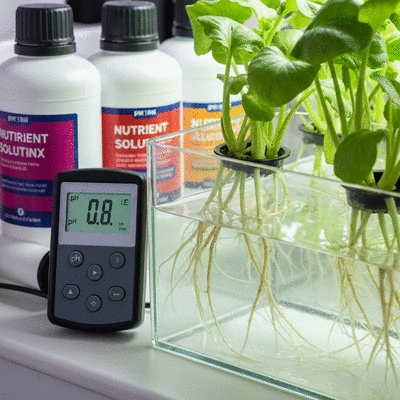
Lastly, investing in a good water testing kit can make a world of difference in your hydroponic gardening journey. These kits can help you measure key parameters such as pH, EC, and TDS (Total Dissolved Solids). Here’s what to look for when choosing a testing kit:
Ease of Use: Choose kits that are user-friendly and come with clear instructions.
Multiple Tests: Look for kits that test multiple parameters to save time and effort.
Reputation: Research brands with good reviews and feedback from other hydroponic gardeners.
Regular testing can help you catch problems early and keep your plants thriving. Remember, in hydroponics, knowledge truly is power! For more advanced techniques, you might be interested in understanding hydroponic control systems.
Frequently Asked Questions About Hydroponic Water Quality
Here are some common questions about maintaining optimal water quality in hydroponic systems:
Q: Why is water quality so important in hydroponics?
A: Water quality is crucial because plants in hydroponic systems rely entirely on the water to deliver essential nutrients. Poor water quality can lead to nutrient deficiencies, stunted growth, root rot, and general plant failure.
Q: What are the key parameters to monitor for hydroponic water quality?
A: The most important parameters to monitor are pH levels, electrical conductivity (EC) to measure nutrient concentration, and total dissolved solids (TDS).
Q: Is tap water suitable for hydroponic gardening?
A: Tap water can be used, but it's often not ideal. It can contain chlorine, chloramines, and other chemicals or minerals that can harm plants or interfere with nutrient absorption. It's best to test tap water and consider filtration or treatment.
Q: What are some sustainable practices for water use in hydroponics?
A: Sustainable practices include rainwater harvesting, recycling water from your system after filtering and treating it, and using efficient drip irrigation systems to minimize waste.
Q: How often should I test my hydroponic water?
A: Regular testing is recommended, ideally daily or every few days, especially when you are starting out or adjusting your nutrient solution. Consistent monitoring helps catch problems early and maintain optimal conditions for plant growth.
Recap of Key Points
Here is a quick recap of the important points discussed in the article:
Understanding Water Quality: Water quality is crucial for nutrient uptake and overall plant health in hydroponics.
Common Misconceptions: Not all water sources are equal; pH and filtration play significant roles in plant success.
Evaluating Water Sources: Assess the pros and cons of various water types like tap, RO, distilled, and rainwater.
Regular Testing: Consistently monitor pH and EC levels to ensure optimal nutrient availability.
Sustainable Practices: Consider rainwater harvesting and water recycling to promote eco-friendly gardening.
Subscribe & Share
2026-08-28
Growing Herbs with Hydroponics
Why settle for store-bought herbs when you can grow your own at home, in any space? Hydroponic garde
2026-08-27
Growing Sweet Corn from Seeds
Ready to transform your gardening experience? Selecting the right sweet corn seeds can make all the
Growing Your Own Garlic Bulbs
As you prepare to embark on your journey of growing garlic, consider this: garlic cultivation isn't
All American Gardeners
Your premier online resource for mastering home gardening across the U.S. We empower American home gardeners with expert tips, step-by-step guides, and sustainable practices for thriving outdoor spaces.
Trusted by gardeners nationwide, our mission is to provide reliable, easy-to-follow insights backed by Clara M. Greene's extensive horticulture experience and practical advice.