Cultivate Your Best Garden!

Join Clara M. Greene's community for expert tips and seasonal guides tailored for American gardeners.

Getting Started with Hydroponic Kits


Getting Started with Hydroponic Kits

Posted on: 2026-04-04
By: Clara M. Greene


As we venture into the innovative world of hydroponics, consider how you can transform your gardening experience beyond traditional methods. Imagine cultivating your favorite plants all year round, regardless of the weather. This guide will illuminate the essentials of hydroponic grow kits and empower you to embrace sustainable gardening practices.

What You Will Learn

  • Hydroponic grow kits enable soil-less gardening, allowing for year-round plant cultivation.
  • Key benefits include faster growth rates, reduced space requirements, and minimized risk of soil-borne diseases.
  • Different hydroponic systems, such as Nutrient Film Technique (NFT) and Deep Water Culture (DWC), cater to diverse planting needs.
  • Aeroponics promotes faster growth cycles and efficient water usage through misting techniques.
  • Long-term sustainability involves evaluating costs and optimizing harvest yields for better ROI.
  • Future trends in hydroponics include smart technology integration and more accessible systems for all gardeners.
  • Vertical gardening maximizes space and enhances air circulation, making it ideal for urban environments.

Comparing Hydroponic Systems and Their Benefits

Below is a visual comparison of different hydroponic systems and their key advantages, highlighting how each method contributes to efficient and sustainable plant growth. To further enhance your understanding of modern gardening techniques, you might also be interested in exploring vertical garden benefits, which offers complementary insights into maximizing growing space.

Hydroponic System Benefits

  • Faster Growth Rates
  • Less Space Required
  • Reduced Soil-borne Diseases
  • More Efficient Water Usage

Nutrient Film Technique (NFT)

Thin film of nutrient solution flows over roots. Efficient and great for leafy greens.

Ideal for Leafy Greens

Deep Water Culture (DWC)

Plants suspended in oxygenated water. Promotes rapid growth and lush foliage.

Perfect for Larger Plants

Aeroponics Advantages

  • Faster Growth Cycles
  • Lower Water Usage
  • Less Root Disease Risk

Hydroponic Medium Role

Supports plants without soil, providing anchorage, drainage, and aeration. Examples: clay pellets, rockwool, coconut coir.

Essential for Root Health

Future Trends in Hydroponics (2025+)

Smart Hydroponics

IoT devices for remote monitoring and optimal conditions.

Advanced Nutrients

Tailored solutions for different plant types.

Increased Accessibility

More affordable and user-friendly systems.

Vertical Gardening

Space efficiency and improved air circulation.

Evaluating Hydroponic Costs & ROI

  • Initial Setup Costs
  • Operational Costs
  • Harvest Yield
  • ROI Calculation

Understanding Hydroponic Grow Kits: What You Need to Know

Are you curious about how to grow plants without traditional soil? Welcome to the fascinating world of hydroponics! At All American Gardeners, we’re excited to guide you through the essentials of hydroponic grow kits—a game-changer for home gardeners. Let's dive into what hydroponics is all about and discover how these systems can revolutionize your gardening experience!

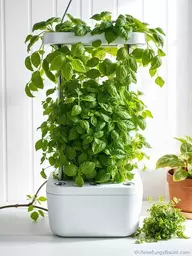
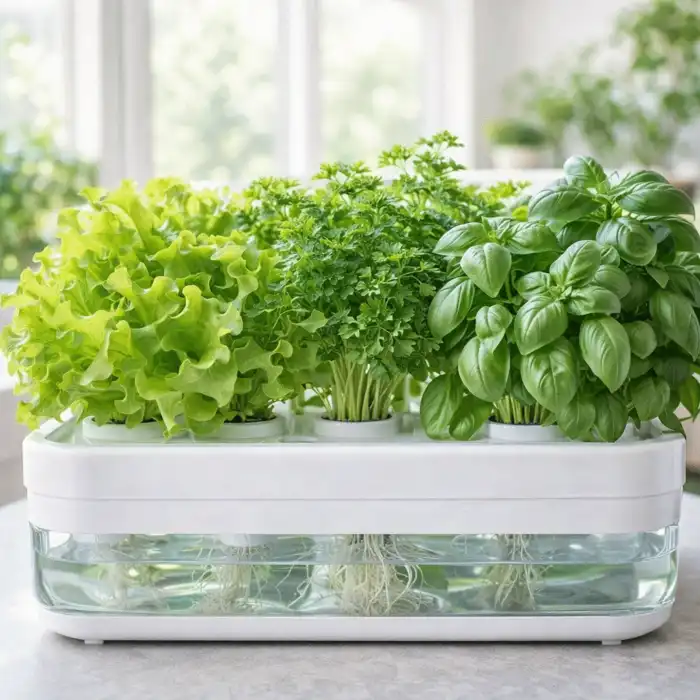
Hydroponic grow kit with leafy greens, modern kitchen background, no text, no words, no typography, clean image

Defining Hydroponic Systems and Their Benefits

What Is a Hydroponic Grow Kit?

A hydroponic grow kit is a specially designed system that allows you to cultivate plants in a nutrient-rich water solution instead of soil. These kits typically include everything you need to get started, such as a growing chamber, nutrient solutions, and sometimes even lights! With hydroponics, you can grow a variety of plants—herbs, vegetables, and even flowers—right in your home.

One of the biggest advantages of using a hydroponic system is the ability to control growing conditions. You can tailor everything from nutrient levels to light exposure, resulting in fast growth and healthy plants. Plus, it’s a fantastic way to enjoy gardening year-round, regardless of the weather outside! For those new to this method, our guide on starting hydroponics: a beginner's guide provides an excellent foundation.

Benefits of Growing Plants Without Soil

  • Faster growth rates due to optimal nutrient delivery
  • Less space required—perfect for urban settings!
  • Reduced risk of soil-borne diseases
  • More efficient water usage compared to traditional gardening

By using hydroponics, you’re not just growing plants; you’re also embracing a method that enhances sustainability. You’ll use less water while producing more food, which is a win for both you and the environment!

Types of Hydroponic Systems

Comparing Hydroponic Systems: Nutrient Film Technique vs. Deep Water Culture

When it comes to hydroponic systems, there are several options to choose from. Two popular methods are the Nutrient Film Technique (NFT) and Deep Water Culture (DWC). Let's take a closer look:

  • Nutrient Film Technique (NFT): This system utilizes a thin film of nutrient solution that flows over the roots of the plants, providing them with everything they need. It’s efficient and great for growing leafy greens!
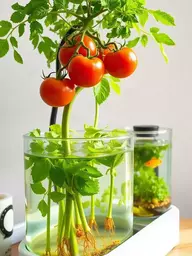
  • Deep Water Culture (DWC): In this method, plants are suspended in a nutrient-rich oxygenated water solution. Their roots are submerged, allowing for rapid growth and lush foliage. Perfect for larger plants!

Both systems have their unique advantages, and your choice will depend on the types of plants you want to grow and your available space. Experimenting with different systems can be part of the fun!

Understanding Aeroponics and Its Advantages

Aeroponics takes hydroponics to the next level by suspending plants in the air and misting their roots with a nutrient solution. This method allows for maximum oxygen exposure and promotes faster growth. If you’re looking for efficiency and high yields, aeroponics could be the perfect fit for you!

Some key benefits include:

  • Faster growth cycles
  • Lower water usage
  • Less risk of root diseases

The Role of Hydroponic Medium in Plant Growth

While hydroponics eliminates soil, it still relies on various mediums to support plants. These mediums, such as clay pellets, rockwool, or coconut coir, help anchor the plants while allowing for excellent drainage and aeration. Choosing the right medium is essential for ensuring healthy root development. As you consider your options, you might find our insights on hydroponic plants for home gardens helpful in selecting the best plants for your system.

As you explore hydroponic options, remember that the right setup can make all the difference in your gardening journey. Whether you’re a beginner or a seasoned gardener, hydroponic systems offer exciting possibilities for growing your favorite plants! Ready to explore more? Let’s dive into the next section!

Pro Tip

To get the most out of your hydroponic garden, consider incorporating a pH meter into your toolkit. Maintaining the right pH level (between 5.5 and 6.5) is crucial for nutrient absorption and overall plant health. Regularly check and adjust the pH to ensure your plants are thriving!

Frequently Asked Questions About Hydroponic Grow Kits

Here are some common questions about hydroponic grow kits and systems:

  1. What is a hydroponic grow kit?
    A hydroponic grow kit is a system designed for cultivating plants in nutrient-rich water solutions instead of traditional soil. These kits typically include components like a growing chamber, nutrient solutions, and sometimes lighting.
  2. What are the main benefits of using hydroponics?
    Hydroponics offers numerous benefits, including faster plant growth rates due to optimized nutrient delivery, reduced space requirements making it ideal for urban environments, minimized risk of soil-borne diseases, and more efficient water usage compared to conventional gardening methods.
  3. What are the different types of hydroponic systems?
    Common hydroponic systems include Nutrient Film Technique (NFT), where a thin film of nutrient solution flows over roots, and Deep Water Culture (DWC), where plants are suspended with their roots submerged in oxygenated nutrient water. Aeroponics, which mists roots with nutrient solution, is another advanced method.
  4. Do hydroponic systems require special plant mediums?
    Yes, while hydroponics is soil-less, it uses various inert mediums like clay pellets, rockwool, or coconut coir to provide physical support for plants, and ensure proper drainage and aeration for root health.
  5. What are the future trends in hydroponics?
    Future trends include the integration of smart technology (IoT devices) for remote monitoring and optimal conditions, development of advanced nutrient solutions tailored for specific plants, increased accessibility through more affordable and user-friendly systems, and the growth of vertical gardening for space efficiency.

Evaluating Your Hydroponic Growing Experience

As you dive deeper into the exciting world of hydroponics, it's essential to consider the long-term aspects of your growing journey. After all, understanding cost and sustainability will help you make informed choices that align with your gardening goals and values. Let’s explore how to evaluate your hydroponic experience effectively!

Long-Term Considerations: Cost and Sustainability

One of the first questions I often hear from fellow gardeners is about the financial aspects of hydroponics. Specifically, how can you gauge your cost-per-harvest and the return on investment (ROI) for your hydroponic system? Understanding these factors can help you assess the feasibility of your setup.

  • Initial Setup Costs: Consider the price of your hydroponic kit, grow lights, and any additional supplies.
  • Operational Costs: Factor in the cost of nutrients, electricity, and water for maintaining your system.
  • Harvest Yield: Track the quantity and frequency of crops harvested to calculate your overall yield.
  • ROI Calculation: Compare your total costs against the market value of your harvested crops to see if your investment pays off!

By regularly evaluating these elements, you can adjust your practices to maximize efficiency and sustainability! For instance, opting for organic nutrients can have a great impact on both your garden's health and your wallet over time.

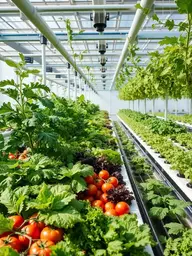
Hydroponic vertical garden with various plants, modern indoor setting, no text, no words, no typography, clean image

Future Trends in Hydroponics for 2025 and Beyond

Looking ahead, the world of hydroponics is poised for some exciting innovations. As someone who is passionate about sustainable gardening, I can’t help but feel optimistic about the future trends that may shape our hydroponic practices. Let’s take a closer look!

  • Smart Hydroponics: Technology like IoT devices will help monitor and manage your system remotely, ensuring optimal growing conditions.
  • Advanced Nutrient Solutions: Innovations in hydroponic nutrients will provide tailored solutions for different types of plants.
  • Increased Accessibility: More affordable and user-friendly systems are being developed, making hydroponics accessible to everyone.

These advancements not only enhance our growing experience but also promote sustainability, allowing us to enjoy fresh produce year-round! It's an exciting time to be part of the hydroponic community.

Exploring Vertical Gardening and Its Benefits

Vertical gardening is another trend gaining traction in the hydroponic world. Imagine growing a variety of plants in a compact space—it's ideal for urban gardeners like us! Here are some benefits of vertical hydroponic systems:

  • Space Efficiency: Maximize your growing area, perfect for small backyards or apartments.
  • Improved Air Circulation: Better airflow reduces the risk of disease and promotes healthy plant growth.
  • Visual Appeal: A beautiful vertical garden can serve as a stunning focal point in your home or garden!

With the right vertical system, you can grow everything from herbs to leafy greens, all while making a statement in your space!

Join the Hydroponic Growing Community Today

As we wrap up this section, I hope you feel inspired to evaluate your hydroponic journey and connect with others who share your passion. There’s something magical about being part of a community that supports and uplifts each other in our gardening endeavors!

Sharing Your Journey: Invite Feedback and Interaction

Connecting with fellow hydroponic enthusiasts can enrich your growing experience. Here are some ways to engage with others:

  • Social Media Groups: Join online communities dedicated to hydroponics where you can share tips, experiences, and photos of your garden.
  • Local Workshops: Attend gardening workshops to meet like-minded individuals and learn from experts in the field.
  • Garden Clubs: Consider joining a local garden club focused on hydroponic and sustainable practices.

Sharing your experiences not only fosters learning but also builds friendships that can last a lifetime!

Ready to Start Growing? Find the Right Hydroponic Kit for You

With all this knowledge in hand, it's time to take the plunge! Finding the right hydroponic kit is crucial to starting your growing adventure. Be sure to explore our top recommendations, tailored for every skill level and growing condition. Each kit comes with unique features to suit your gardening style. To further aid your decision, you might find our guide on easy hydroponic garden kit guide particularly useful.

Explore Our Top Recommendations and Purchase Links

Visit All American Gardeners to discover curated product links that make it easy for you to choose the perfect hydroponic solution! From beginner kits to advanced systems, we’ve got you covered. Let’s cultivate those green thumbs together!

Recap of Key Points

Here is a quick recap of the important points discussed in the article:

  • Hydroponic grow kits allow you to grow plants in nutrient-rich water instead of soil, providing optimal control over growing conditions.
  • Benefits of hydroponics include faster growth rates, reduced space requirements, and more efficient water usage.
  • Two popular hydroponic systems are Nutrient Film Technique (NFT) and Deep Water Culture (DWC), each suited for different types of plants.
  • Aeroponics offers even higher efficiency by misting plant roots, promoting faster growth cycles.
  • Evaluating costs, including initial setup and operational expenses, is crucial for assessing your hydroponic journey's sustainability and ROI.
  • Future trends in hydroponics include smart technology, advanced nutrient solutions, and increased accessibility for home gardeners.

Subscribe & Share
Cool-Season Crops for Northern Zones Cool-Season Crops for Northern Zones As we dive into the world of gardening, have you ever considered how the choices you make can extend
Tips for Building Raised Flower Beds Tips for Building Raised Flower Beds Are you ready to elevate your gardening experience? Discover how raised flower beds can revolutioniz
Getting Started with Hydroponic Kits Getting Started with Hydroponic Kits As we venture into the innovative world of hydroponics, consider how you can transform your gardenin
Cucumber Seeds: A Simple Guide Cucumber Seeds: A Simple Guide Choosing the right cucumber seeds can transform your gardening experience. With so many varieties av
Setting Up Backyard Aquaponics Setting Up Backyard Aquaponics Aquaponics combines the principles of aquaculture and hydroponics, creating a sustainable gardening
Testing Soil pH for Lawns Testing Soil pH for Lawns Soil pH plays a pivotal role in determining the health of your lawn. Understanding it can transform
Banner
All American Gardeners

Your premier online resource for mastering home gardening across the U.S. We empower American home gardeners with expert tips, step-by-step guides, and sustainable practices for thriving outdoor spaces.

Trusted by gardeners nationwide, our mission is to provide reliable, easy-to-follow insights backed by Clara M. Greene's extensive horticulture experience and practical advice.

Cultivate Your Garden
Recent Posts
Cool-Season Crops for Northern Zones Cool-Season Crops for Northern Zones

As we dive into the world of gardening, have you e

Tips for Building Raised Flower Beds Tips for Building Raised Flower Beds

Are you ready to elevate your gardening experience

Getting Started with Hydroponic Kits Getting Started with Hydroponic Kits

As we venture into the innovative world of hydropo

Gardening Wisdom from All American Gardeners