Did you know that hydroponically grown eggplants can yield better results than traditional soil gardening? This innovative method allows for year-round cultivation and reduces the impact of pests and diseases. Ready to transform your gardening experience?
What You Will Learn
Hydroponic eggplant growing eliminates the need for soil, reducing pest and disease risks.
This method leads to faster growth and higher yields compared to traditional gardening.
Hydroponics conserves water and minimizes the need for pesticides, making it eco-friendly.
Understanding the signs of ripeness is crucial for harvesting eggplants at their peak flavor.
Using proper harvesting techniques can improve yield and reduce damage to plants.
Evaluating your gardening results helps identify areas for improvement in future crops.
Hydroponic vs. Aquaponic Eggplant Cultivation
Both hydroponics and aquaponics offer soil-less methods for growing eggplants, each with unique advantages. Below is a comparison of their key characteristics. For a more detailed look at the basics of this innovative method, check out our guide on starting hydroponics for beginners.
Hydroponics: Focused Plant Growth
Relies solely on nutrient solutions.
Faster nutrient uptake by plants.
Generally simpler for beginners.
Direct nutrient delivery
Aquaponics: Integrated Fish & Plants
Combines fish farming with plant cultivation.
Natural nutrient cycling from fish waste.
May require more complex management.
Symbiotic ecosystem approach
Understanding Hydroponic Eggplant Cultivation
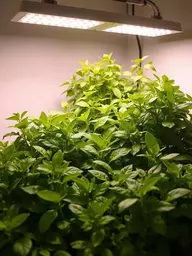
Growing eggplants in a hydroponic system is an exciting way to dive into modern gardening techniques! Hydroponic eggplant growing allows us to cultivate these vibrant vegetables without soil, relying instead on nutrient-rich water solutions. If you're curious about how to get started, you're in the right place!
What is Hydroponic Eggplant Growing?
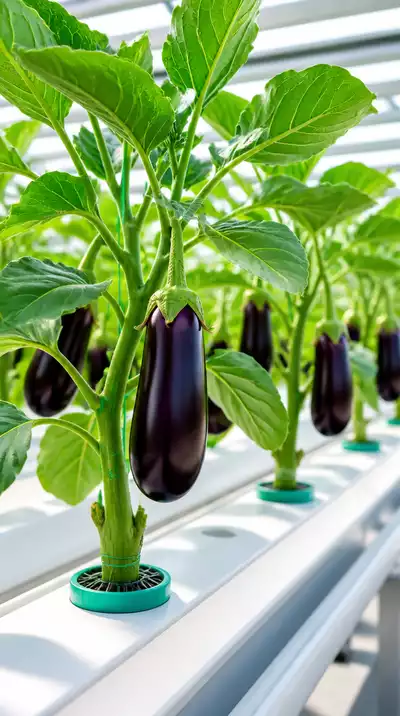
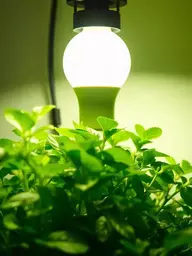
Hydroponic eggplant growing is a method where plants are nourished through a water-based nutrient solution rather than traditional soil. This technique provides plants with all the essential elements they need to thrive, promoting faster growth and often higher yields. As a passionate gardener, I've seen how hydroponics can revolutionize the way we grow our favorite vegetables!
No Soil Needed: The absence of soil reduces the risk of pests and diseases.
Faster Growth: Plants often grow faster in hydroponic systems due to direct access to nutrients.
Space Efficiency: Hydroponics allows vertical gardening, maximizing limited space.
With this method, you can grow eggplants year-round, regardless of the weather outside. That means delicious, homegrown eggplants on your dinner table any time you desire!
Benefits of Growing Eggplant Hydroponically
There are numerous benefits to growing eggplants using hydroponic systems. First and foremost, you'll likely notice a higher yield than traditional methods due to the controlled environment! To further enhance your gardening success, understanding various plant care tips for home gardeners can be incredibly beneficial.
Water Conservation: Hydroponics uses less water than soil-based gardening, making it eco-friendly.
Reduced Pesticide Use: Fewer pests in a hydroponic system mean less need for chemical treatments.
Quality Control: You can precisely manage nutrients, ensuring your eggplants are healthy and flavorful.
For someone like me, who values sustainable practices, these benefits are compelling. It’s not just about growing vegetables; it’s about growing them responsibly!
Comparing Hydroponics and Aquaponics for Eggplant Cultivation
While both hydroponics and aquaponics are soil-less growing methods, they have distinct differences that are crucial to understand. Hydroponics relies solely on nutrient solutions, while aquaponics integrates fish farming with plant cultivation, creating a symbiotic environment.
Hydroponics: Focused entirely on plant growth; faster nutrient uptake.
Aquaponics: Combines fish and plants; natural nutrient cycling but may require more complex management.
Ultimately, the choice between hydroponics and aquaponics depends on your specific goals and resources. I’ve found that hydroponics often provides a more straightforward introduction for new gardeners, making it an excellent starting point for anyone eager to grow delicious eggplants!
Pro Tip
To optimize your hydroponic eggplant yield, consider experimenting with different nutrient solutions and pH levels. Regularly testing your water can help you fine-tune the growing conditions, leading to healthier plants and more delicious eggplants. Remember, every variety may have unique needs!
Harvesting Hydroponic Eggplants: Timing and Techniques
Harvesting your hydroponic eggplants is a thrilling part of the gardening process! Knowing when and how to pick them can make a big difference in flavor and overall yield. Are you ready to dive into the signs of ripeness and the best practices for harvesting?
Signs of Ripeness: When to Harvest Your Eggplants
Determining the right moment to harvest is crucial for the best taste and texture. Look for these signs of ripeness:
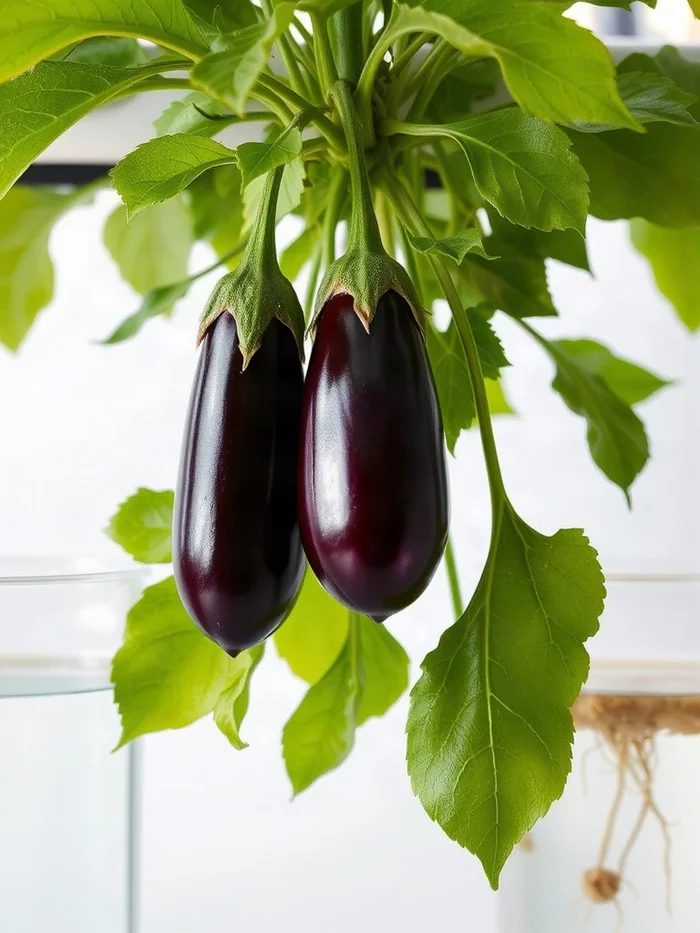
The skin of the eggplant should be glossy and firm.
Check the color; it should be vibrant and uniform, depending on the variety.
When gently pressed, the skin should spring back slightly.
The size will vary by type, but generally, an eggplant should be about 6-8 inches long.
Each variety has its unique characteristics, so don’t hesitate to refer to guides specific to the kinds you’re growing. Trust me, the more you observe your plants, the more in tune you’ll become with their needs! For further reading on different plant care aspects, explore our essential plant care checklist.
Harvesting Best Practices for Maximum Yield
When it’s time to harvest, using the right techniques can enhance your yield while minimizing damage to the plants. Here are some best practices to keep in mind:
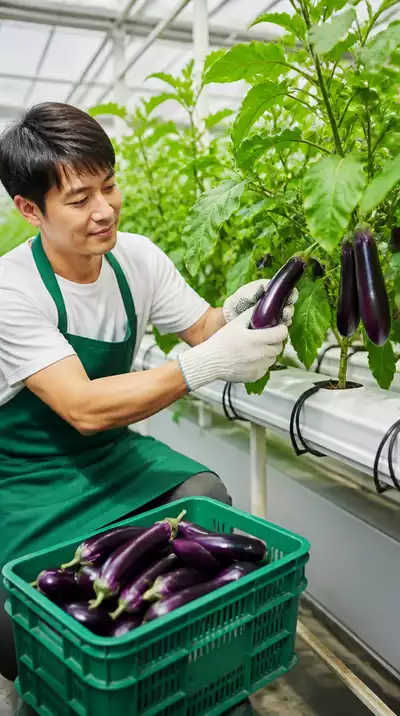
Use a sharp, clean knife or pruning shears to cut the stem just above the calyx.
Be gentle! Avoid squeezing the fruit to prevent bruising.
Harvest in the morning when temperatures are cooler for optimal freshness.
Consider wearing gloves to protect your hands and avoid skin irritation from the plant's sap.
Following these techniques not only helps in getting the best out of your hard work but also ensures your eggplants stay healthy for future harvests!
Harvesting Techniques for Different Eggplant Varieties
Each eggplant variety may require a slightly different approach when harvesting. Here’s a quick overview:
Italian Eggplants: Harvest when they reach about 7-8 inches; cut the stem with care.
Japanese Eggplants: Pick when smaller, around 5-6 inches; they are sweeter at this size.
Graffiti Eggplants: Similar to Italian, but should be harvested at a slightly smaller size for optimal flavor.
Remember, experimenting with different varieties can be a fun part of your hydroponic journey! Each type will offer its unique flavors and culinary possibilities.
Reflecting on Your Hydroponic Eggplant Journey
After harvesting your hydroponic eggplants, it’s time to take a moment to reflect on your gardening journey. What did you learn? What techniques worked best for you? Let's explore how to evaluate your results and prepare for future crops!
Evaluating Your Results: Yield and Growth Success
Assessing your overall yield is essential for improving future harvests. Here are some aspects to consider:
Total weight of eggplants harvested.
Number of fruits per plant compared to expected yield.
Growth patterns and any challenges faced during the cultivation.
Flavor and texture of the eggplants—did they meet your expectations?
By evaluating these factors, you can identify areas for improvement and celebrate your successes. Every garden teaches us something new!
Next Steps After Harvest: Preparing for Future Crops
Once the harvesting is done, consider what’s next for your hydroponic setup. Planning for future crops will enhance your gardening experience. Here’s how:
Clean and sanitize your equipment to prevent disease in subsequent crops.
Consider rotating your crops to improve soil health and nutrient availability.
Take notes on what worked and what didn’t during this growing cycle.
Preparing for future crops can be as much fun as harvesting itself! It’s a great way to keep your gardening spirit alive and thriving!
Utilizing Crop Rotation for Sustainable Hydroponic Practices
Crop rotation is a vital practice to enhance sustainability in your hydroponic garden. Consider these benefits:
Reduces the build-up of pests and diseases.
Improves soil fertility and nutrient cycling.
Encourages biodiversity in your garden.
Incorporating crop rotation not only keeps your garden healthy but also makes it more resilient. It’s a win-win for both you and your plants!
Join the Hydroponic Eggplant Community
As you embark on your hydroponic eggplant journey, remember that you are not alone! There’s a vibrant community of fellow gardeners out there, ready to share experiences and insights.
Sharing Your Experiences: Connect with Other Growers
Engaging with other hydroponic growers can provide you with a wealth of knowledge. Here are ways to connect:
Join online forums or local gardening clubs.
Share your successes and challenges on social media.
Attend workshops or webinars focused on hydroponics.
Connecting with others not only enhances your knowledge but also makes the gardening experience more fulfilling. You never know what tips you’ll gain from your fellow gardeners!
Accessing Resources and Continued Learning Opportunities
At All American Gardeners, we strive to provide you with ongoing resources for your hydroponic adventures! Keep learning and growing with:
Guides on advanced hydroponic techniques.
Regular updates on new research in hydroponics.
Product recommendations for your hydroponic garden needs.
Utilizing these resources will keep your passion for hydroponics alive and help you create a more bountiful garden!
Exploring Hydroponic Research and Innovations
Stay informed about the latest innovations in hydroponics. This can encompass:
New nutrient solutions that enhance growth.
Advanced technologies like automation and monitoring systems.
Research on plant genetics to improve yields and disease resistance.
Engaging with current research can give you an edge in your gardening endeavors and inspire new techniques in your hydroponic setup!
Frequently Asked Questions About Hydroponic Eggplant Cultivation
Q1: What are the main benefits of growing eggplants hydroponically?
A1: Hydroponic eggplant cultivation offers several benefits, including year-round growing, faster growth, higher yields, reduced pest and disease risks due to the absence of soil, water conservation, and minimized pesticide use. It also allows for precise control over nutrient delivery, leading to healthier and more flavorful eggplants.
Q2: What is the difference between hydroponics and aquaponics for growing eggplants?
A2: Hydroponics relies solely on nutrient-rich water solutions to feed plants, focusing entirely on plant growth. Aquaponics, on the other hand, integrates fish farming with plant cultivation, where fish waste provides natural nutrients for the plants, creating a symbiotic ecosystem. Aquaponics may require more complex management due to the interaction of fish and plants.
Q3: How do I know when my hydroponic eggplants are ripe for harvesting?
A3: Key signs of ripeness include glossy and firm skin, a vibrant and uniform color (depending on the variety), and a slight spring-back when gently pressed. The size will vary by eggplant type, but they are generally ready when about 6-8 inches long. Refer to variety-specific guides for precise indicators.
Q4: What are the best practices for harvesting hydroponic eggplants?
A4: To maximize yield and minimize plant damage, use a sharp, clean knife or pruning shears to cut the stem just above the calyx. Be gentle to avoid bruising the fruit. It's best to harvest in the morning when temperatures are cooler for optimal freshness.
Q5: Why is evaluating results important after harvesting hydroponic eggplants?
A5: Evaluating your results is crucial for continuous improvement. By assessing factors like total yield, fruit count per plant, growth patterns, and the flavor/texture of the eggplants, you can identify what worked well and what challenges arose. This reflection helps you refine your techniques and optimize future harvests.
Recap of Key Points
Here is a quick recap of the important points discussed in the article:
Soil-less Growth: Hydroponics allows for the cultivation of eggplants without soil, reducing pests and diseases while ensuring faster growth.
Environmental Benefits: Hydroponic systems conserve water and minimize the need for pesticides, promoting sustainable gardening practices.
Harvesting Techniques: Use clean tools, harvest in cooler temperatures, and be gentle to ensure maximum yield and quality.
Evaluate and Reflect: Assess your yield, growth patterns, and flavor to improve future crops and celebrate your successes.
Community Engagement: Connect with fellow gardeners for shared experiences, resources, and continued learning opportunities.
Essential Herb Fertilizer Guide
Looking to transform your herb garden into a flourishing oasis? By understanding the nuances of herb
2026-09-22
Herbs for Full Sun Gardens
Have you ever wondered how a simple herb can transform a dish from bland to bursting with flavor? Un
All American Gardeners
Your premier online resource for mastering home gardening across the U.S. We empower American home gardeners with expert tips, step-by-step guides, and sustainable practices for thriving outdoor spaces.
Trusted by gardeners nationwide, our mission is to provide reliable, easy-to-follow insights backed by Clara M. Greene's extensive horticulture experience and practical advice.