Growing Hydroponic Plants Made Simple
Posted on: 2026-06-16
By: Clara M. Greene
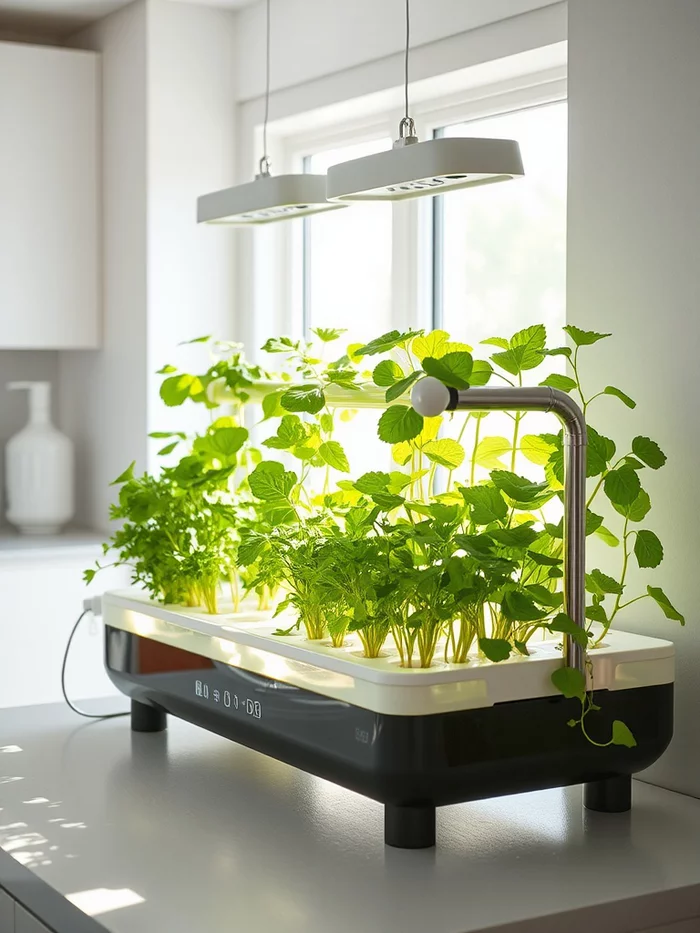
Have you ever thought about how much faster your plants could grow if they didn't have to compete with soil? Hydroponics offers a revolutionary alternative that promises quicker yields and a sustainable approach to gardening.
What You Will Learn
- Hydroponics enables soil-less growth, allowing plants to thrive in nutrient-rich water.
- This method promotes faster growth rates due to direct access to essential nutrients.
- Space efficiency is maximized with vertical hydroponic systems, perfect for small areas.
- Hydroponics conserves water by recirculating it, making it an eco-friendly gardening choice.
- Understanding different systems like DWC and NFT is crucial for selecting the right setup.
- Identifying nutrient imbalances can prevent major issues in plant health.
- Proactive pest management strategies can safeguard your hydroponic garden from infestations.
- Careful planning and crop rotation enhance the success of your hydroponic garden.
Comparing Hydroponic Systems and Key Practices
Delve into the core components and essential practices that define successful hydroponic gardening, from system types to problem prevention. For those just starting, our beginner's guide to hydroponics provides a solid foundation.
Hydroponic Advantages: Faster Growth & Efficiency
- ✓Soil-less Growth
- ✓Faster Growth Rates
- ✓Space Efficiency (Vertical setups)
- ✓Water Conservation (Recirculation)
Hydroponic System Types: Root Delivery Methods
- •**DWC:** Roots submerged in nutrient water
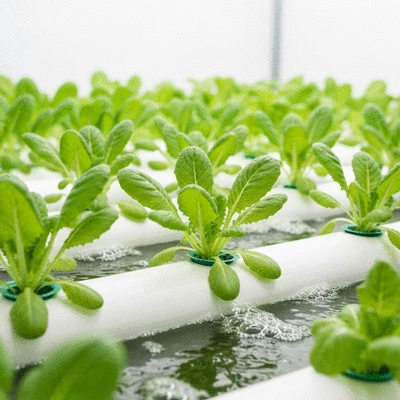
- •**NFT:** Thin film of solution over roots
- •**Aeroponics:** Roots misted for oxygen
Preventing Problems: Key Detection & Cleanliness
- •**Nutrient Imbalances:** Test solution, adjust pH 5.5-6.5
- •**Pests/Diseases:** Inspect regularly, maintain cleanliness
- •**Pest Control:** Neem oil, insecticidal soap, physical barriers
Planning for Success: Space & Simplicity
- •**Crop Rotation:** Seasonal planning, succession planting
- •**Space Optimization:** Vertical gardening, hydroponic towers
- •**Simplicity:** Utilize quality beginner-friendly hydroponic kits
Understanding Hydroponic Plants: What You Need to Know
Hydroponics is a revolutionary method of growing plants without soil! Instead, it allows plants to thrive in nutrient-rich water solutions. This method has gained popularity among gardeners, including those of us at All American Gardeners, because of its numerous advantages. By bypassing soil, hydroponics enables faster growth rates and more efficient use of resources, making it an ideal choice for home gardeners eager to maximize their yields.
The ability to control plant conditions precisely is another significant benefit. Hydroponic systems provide optimal growing environments, allowing for year-round gardening regardless of the climate outside. So, if you’re thinking about starting your hydroponic journey, you’re in for a treat!
Defining Hydroponics and Its Advantages
- Soil-less Growth: Plants grow in water mixed with nutrients, eliminating the need for traditional soil.
- Faster Growth Rates: With direct access to nutrients and water, plants can grow more quickly than in soil.
- Space Efficiency: Hydroponic systems can be set up vertically, making them great for small spaces.
- Water Conservation: Hydroponics uses less water than conventional gardening since water is recirculated.
These advantages make hydroponics not only a practical choice but also a sustainable one, aligning with our mission at All American Gardeners to promote eco-friendly practices. By starting with hydroponics, you can reduce your environmental impact while enjoying the benefits of abundant home-grown produce! For more insights on eco-friendly practices, explore our organic gardening tips for beginners.
How Hydroponic Systems Function
At the heart of hydroponics is a simple yet effective system that provides plants with everything they need to thrive. The basic mechanics involve three essential components: nutrient solutions, light, and environmental control. The nutrient solution, a mix of water and essential minerals, is delivered directly to the plant roots, allowing for quicker nutrient uptake and growth.
Light plays a crucial role as well! Without natural sunlight, hydroponic systems rely on artificial grow lights tailored to provide the right spectrum for photosynthesis. Additionally, controlling the environment—including temperature, humidity, and air circulation—ensures optimal conditions for plant growth. This comprehensive approach makes hydroponics a fascinating and rewarding gardening method.
Exploring Different Hydroponic Systems: DWC, NFT, and More
As you consider diving into hydroponics, it’s vital to understand the various systems available. Let’s take a look at a few popular hydroponic setups:
- Deep Water Culture (DWC): Plants are suspended in nutrient-laden water with their roots submerged.
- Nutrient Film Technique (NFT): A thin film of nutrient solution flows over the roots, providing a constant supply of moisture and nutrients.
- Aeroponics: Roots are misted with nutrient solution, offering excellent oxygen exposure for rapid growth.
Each system has its unique benefits and challenges, which makes selecting the right one crucial for your gardening success. At All American Gardeners, we guide you through choosing the best setup based on your available space, budget, and the types of plants you wish to grow. So, whether you're a novice or have experience, there's a hydroponic system perfect for your needs!
Pro Tip
Did you know? Regularly checking the nutrient levels in your hydroponic system can significantly enhance plant health and yield. Aim to test your nutrient solution at least once a week, adjusting as necessary to ensure your plants receive the optimal balance of nutrients they need to thrive.
Preventing Common Hydroponic Plant Problems
As a passionate gardener, I've learned that preventing issues is key to a thriving hydroponic garden. When it comes to hydroponics, plants can face unique challenges that require our attention. Let’s dive into how we can identify and address these common problems to keep our green friends happy!
Identifying and Addressing Nutrient Imbalances
Understanding nutrient imbalances is crucial for the health of your hydroponic plants. Signs of nutrient deficiencies often show up as yellowing leaves, poor growth, or wilting. To address these issues, consider the following steps:
- Test your nutrient solution regularly to ensure it meets the ideal levels for your plants.
- Adjust pH levels between 5.5 and 6.5 for optimal nutrient absorption.
- Monitor plant growth and make necessary adjustments based on their visible health.
By keeping an eye on these factors, you'll be able to correct nutrient imbalances before they become a bigger problem. Remember, it’s about nurturing the plant’s environment just as much as the plants themselves!
Managing Pests and Diseases in Hydroponics
Pests and diseases can quickly undermine your hydroponic success, but with early detection, you can keep them at bay! Here are some effective strategies to help:
- Regularly inspect your plants for any signs of pests, such as webs or discolored leaves.
- Maintain cleanliness in your growing area to prevent infestations.
- Introduce beneficial insects, like ladybugs, to combat common pests naturally.
Creating a proactive approach to pest management is essential. The more vigilant you are, the healthier your plants will remain!
Best Practices for Hydroponic Pest Control
When it comes to pest control in hydroponics, using organic methods can be both effective and environmentally friendly. Here are my top recommendations:
- Utilize Neem oil as a natural pesticide; it's effective against various pests.
- Insecticidal soap is another option that can help eliminate pests without harming the plants.
- Implement physical barriers, such as floating row covers, to keep pests away.
By adopting these practices, you can ensure your hydroponic garden remains a safe haven for healthy plants while minimizing chemical usage. Happy gardening!
Plan Your Hydroponic Garden for Success
Planning your hydroponic garden is essential for achieving the best results. A thoughtful approach can make all the difference in your growing experience!
Seasonal Planning and Crop Rotation Strategies
Understanding seasonal changes can help you plan your crops effectively. Crop rotation is vital for maintaining plant health and reducing disease risks. Here’s how to make it work for you:
- Choose crops suited to the current season’s climate.
- Rotate your plants every season to prevent nutrient depletion.
- Consider succession planting to maximize your yields throughout the year.
With careful planning, you can enjoy a continuous harvest that keeps your garden flourishing!
Creating a Hydroponic Setup That Fits Your Space
Not everyone has the luxury of vast gardening space, but that doesn’t mean you can’t have a successful hydroponic setup! Here are some tips for optimizing your space:
- Assess your available area and choose a system that fits—like vertical gardening options!
- Invest in compact systems or hydroponic towers to maximize growing potential. For more ideas on maximizing small spaces, check out exploring vertical garden benefits.
- Be mindful of your budget by selecting equipment that meets your needs without breaking the bank.
Finding the right setup is all about creativity and resourcefulness. Enjoy the process of making it your own!
Utilizing Hydroponic Kits for Simplicity
If you're just starting out, hydroponic kits can be a fantastic way to simplify the setup process. They often come equipped with everything you need. Consider the following:
- Choose a kit that includes quality materials and clear instructions.
- Look for starter kits that cater to beginners to help you learn the basics.
- Make sure the kit fits your personal gardening goals—do you want to grow herbs, leafy greens, or something more adventurous?
Hydroponic kits make the journey a lot easier, especially for those who are just beginning to explore the exciting world of hydroponics!
Frequently Asked Questions About Hydroponics
Q: What is hydroponics?
A: Hydroponics is a method of growing plants without soil, using nutrient-rich water solutions to deliver essential minerals directly to the plant roots.
Q: What are the main advantages of hydroponics?
A: Key advantages include faster growth rates, efficient use of space (especially with vertical setups), and significant water conservation due to recirculation.
Q: What are some common types of hydroponic systems?
A: Popular systems include Deep Water Culture (DWC), where roots are submerged in nutrient water; Nutrient Film Technique (NFT), which uses a thin film of solution; and Aeroponics, where roots are misted.
Q: How can I prevent nutrient imbalances in my hydroponic garden?
A: Regularly test your nutrient solution and adjust pH levels (ideally between 5.5 and 6.5) to ensure optimal nutrient absorption and plant health.
Q: What are effective pest control methods for hydroponic plants?
A: Organic pest control methods like regular plant inspection, maintaining cleanliness, using Neem oil, insecticidal soap, and physical barriers are highly effective.
Q: Are hydroponic kits good for beginners?
A: Yes, hydroponic kits are an excellent starting point for beginners, as they typically come with all the necessary components and clear instructions to simplify the setup process.
Recap of Key Points
Here is a quick recap of the important points discussed in the article:
- Soil-less Growth: Hydroponics allows plants to thrive in nutrient-rich water instead of soil.
- Faster Growth Rates: Direct access to nutrients leads to quicker plant growth.
- Space Efficiency: Hydroponic systems can be set up vertically, making them ideal for small spaces.
- Water Conservation: Hydroponics uses less water than traditional gardening methods.
- Nutrient Management: Regular testing and monitoring of nutrient solutions is essential to prevent imbalances.
- Pest Control: Implementing organic methods such as neem oil and beneficial insects is key to managing pests.
- Seasonal Planning: Understanding seasonal changes helps in planning your crops effectively for continuous harvests.
- Hydroponic Kits: Beginners can benefit from using hydroponic kits that provide a simple setup.
 Why settle for store-bought herbs when you can grow your own at home, in any space? Hydroponic garde
 Ready to transform your gardening experience? Selecting the right sweet corn seeds can make all the
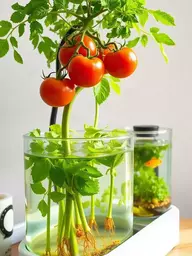 Imagine harvesting juicy, flavorful tomatoes while actively contributing to sustainable agriculture.
 What if I told you that the secret to growing robust rosemary lies in the soil beneath your feet? Un
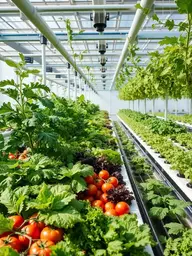 Have you ever wondered how innovative techniques in gardening can reshape our food production? Hydro
 As you prepare to embark on your journey of growing garlic, consider this: garlic cultivation isn't