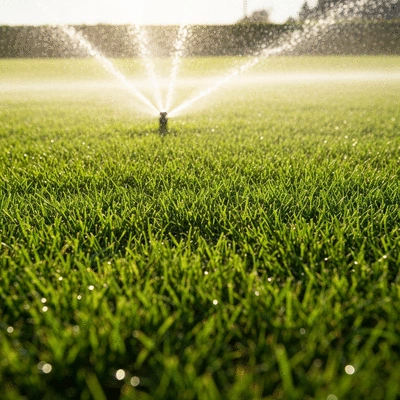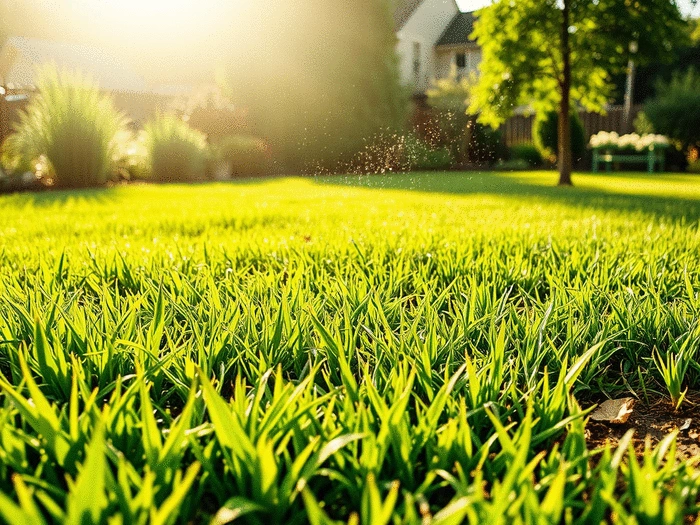
Deep & Infrequent Watering
- Frequency: 1-2 times/week
- Depth: 1-1.5 inches
- Timing: Early morning/late evening
Encourages deeper root growth for drought resistance.
Join Clara M. Greene's community for expert tips and seasonal guides tailored for American gardeners.
Posted on: 2026-05-04
By: Clara M. Greene
During the sweltering summer months, maintaining a lush lawn can be a challenge. Did you know that simple adjustments to your lawn care routine can lead to a vibrant, resilient landscape? Here are the key strategies you can adopt this summer to ensure your lawn not only survives but thrives!
Essential practices for maintaining a healthy and resilient lawn during hot and dry conditions.
Encourages deeper root growth for drought resistance.
Taller grass shades soil, keeping it cooler and hydrated.
Improves air/water flow to roots and promotes new growth.
Reduces evaporation and improves soil health.
As summer hits full swing, many of us are enjoying the sun and the outdoors! Yet, it's crucial to remember that our lawns need special care during this hot and dry season. Did you know that signs of heat stress can manifest as bluish-gray grass? It’s essential to recognize these indicators to keep our lawns healthy and vibrant. For more details on maintaining healthy grass, explore our guide on grass types for US climate zones.
Drought can severely affect the health of your lawn, leading to thinning grass and bare patches. Understanding how heat and lack of water impact your lawn is the first step towards effective summer lawn care!
These symptoms indicate that your lawn is struggling. Regular monitoring can help you act swiftly to prevent further damage and promote recovery.
Proactive measures during the summer are essential to maintaining lawn health, especially when dealing with extreme weather conditions. A well-cared-for lawn not only looks great but also provides a safe and enjoyable space for family and friends. Taking care of your lawn now means it will bounce back stronger after the heat subsides.
Investing time in summer lawn care fosters resilience against the elements. Remember, a vibrant lawn can enhance your home’s curb appeal and create a welcoming outdoor environment!
One of the most effective strategies for keeping your lawn hydrated is to implement deep and infrequent watering. Aim for about 1 to 1.5 inches of water per week. The best times to water are early in the morning or late in the evening to reduce evaporation. You can find more targeted advice in our regional lawn watering tips.
By following these practices, you encourage deeper root growth, allowing your lawn to better withstand the heat and dry conditions.
Did you know that raising your mower blade height can significantly benefit your lawn? Maintaining grass at a height of 3-4 inches helps protect the roots and retains soil moisture. Taller grass shades the soil, reducing evaporation and keeping the lawn cooler.
Taking this simple step can make a big difference in how your lawn copes with summer heat!
Aeration and overseeding are excellent practices to promote a healthy lawn. Aeration helps relieve soil compaction, allowing air, water, and nutrients to reach the roots more efficiently. When combined with overseeding, these techniques can rejuvenate an existing lawn and improve its resilience.
Both aeration and overseeding can make your lawn more robust against the stresses of summer conditions!
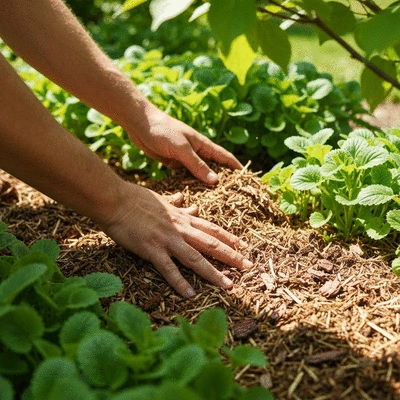
Mulching is another fantastic practice to conserve water and improve soil health during the summer months. By applying a layer of organic mulch around your plants and grass, you can significantly reduce moisture loss from the soil. Plus, it helps suppress weeds!
Using mulch not only keeps your lawn healthy but also adds a neat, finished look to your garden!
For optimal lawn health during summer heat, consider incorporating a rain gauge into your watering routine. This simple tool helps you measure how much water your lawn is actually receiving during irrigation, ensuring you provide the right amount without overwatering. Consistency is key, so aim for 1 to 1.5 inches of water per week!
A: It's best to water deeply and infrequently, about 1-2 times per week, aiming for 1 to 1.5 inches of water each time. This encourages deeper root growth and better drought resistance.
A: Look for bluish-gray grass and wilting leaves. These are indicators that your lawn is struggling and needs immediate attention.
A: Taller grass (3-4 inches) shades the soil, which helps retain moisture, keeps the soil cooler, and protects the grass roots from the intense summer sun.
A: Aeration relieves soil compaction, allowing better air, water, and nutrient penetration to the roots. Overseeding fills in bare patches and promotes new, healthier grass growth, improving overall lawn resilience.
A: Organic mulches like bark, straw, or grass clippings are recommended. Apply a layer of 2-3 inches to effectively conserve moisture, suppress weeds, and enrich the soil as it decomposes.
As we’ve explored, maintaining a vibrant lawn during the hot summer months requires strategic planning and diligent care. To recap, here are the key strategies we've discussed that are essential for keeping your lawn healthy and resilient:
Adopting these practices can make a significant difference in how your lawn withstands the sweltering heat and potential droughts. Remember, the goal is not just to survive summer but to thrive through it with a lush, green lawn!
Looking beyond immediate summer care, it’s vital to think about long-term strategies for recovery. Just because summer ends doesn’t mean your lawn care should! Here’s why planning ahead is essential:
By focusing on these long-term strategies, you’ll not only help your lawn recover after drought but also prepare it for future heatwaves. Remember, a resilient lawn is a happy lawn!
To make implementing these strategies easier, I’ve created a comprehensive Summer Lawn Care Checklist just for you! Downloading this checklist will provide you with a handy guide to keep track of all the essential tasks:
This checklist will help you stay organized and ensure no critical step is overlooked. It’s your roadmap to a healthier lawn this summer!
Engaging with fellow lawn care enthusiasts can be incredibly rewarding. I encourage you to share your experiences and gather tips from others in the community. Here are a few ways to get involved:
These interactions not only broaden your knowledge but also foster a sense of community among gardeners.
Finally, it’s crucial to establish a sustainable lawn maintenance routine that works for your unique environment. Here’s how to create a routine that balances effective care with eco-friendly practices:
By focusing on sustainability, you’re not just caring for your lawn—you’re also making a positive impact on our planet. Let’s cultivate a greener future together! For more on sustainable practices, consider exploring our guide on exploring organic mulching benefits.
Here is a quick recap of the important points discussed in the article: