Cultivate Your Best Garden!

Join Clara M. Greene's community for expert tips and seasonal guides tailored for American gardeners.

Fall Overseeding for Cold Climates


Fall Overseeding for Cold Climates

Posted on: 2026-05-13
By: Clara M. Greene


As the leaves begin to change and the air turns crisp, many gardeners ponder how to keep their lawns vibrant through the chilly months. One effective solution is fall overseeding—a technique that can transform your outdoor space. Ready to learn how?

What You Will Learn

  • Fall overseeding improves lawn density by filling in bare spots and introducing better grass varieties.
  • Timing your overseeding efforts between mid-August and late September ensures optimal germination conditions.
  • A thicker lawn enhances drought tolerance, reduces weed growth, and provides better nutrient uptake.
  • Post-overseeding care, including consistent watering and monitoring growth, is essential for successful establishment.
  • Implementing long-term maintenance strategies, such as regular mowing and soil testing, promotes a healthy lawn.

Fall Overseeding Key Aspects & Maintenance Timeline

This visual highlights critical factors for successful fall overseeding and a timeline for post-overseeding care to ensure a lush, healthy lawn.

Optimal Timing for Fall Overseeding

Mid-August to Late September

Key Overseeding Conditions

  • Soil Temp: 50°F-65°F
  • Consistent Rainfall
  • Before Frost Dates

Post-Overseeding Care Timeline

  • 7-14 Days: Germination
  • Initial Growth: Uneven Patches
  • Watering: Frequent, Light

Long-Term Maintenance

  • Regular Mowing (3")
  • Soil Testing (Biennial)
  • Seasonal Care (Aeration/Fertilization)

Fertilization Schedule

  • Timing: Early Spring & Fall
  • Type: Slow-Release
  • Rates: Soil Test-Based

Understanding Fall Overseeding for Cold-Climate Lawns

As the vibrant colors of fall begin to adorn our landscapes, it's the perfect time to talk about fall overseeding. This effective technique helps rejuvenate cold-climate lawns, ensuring they remain lush and healthy through the colder months. So, what exactly is overseeding, and why should you consider it for your lawn this autumn? Let’s dive in!

What is Fall Overseeding and Why is it Beneficial?

Fall overseeding involves spreading grass seed over your existing lawn without tearing up the turf. This process helps improve the lawn's density and overall health. By adding new seeds to your established lawn, you can fill in bare spots and introduce improved grass varieties that are better suited to your local climate. For more details on selecting the right varieties, check out our guide on grass types for US climate zones.

Close-up of a hand scattering grass seeds over a lush green lawn, representing fall overseeding, with a bokeh background of autumn leaves, no text, no words, no typography, 8K
  • Increased resilience: New seed varieties can withstand diseases and pests.
  • Enhanced appearance: Overseeding leads to a thicker, more vibrant lawn.
  • Improved drought tolerance: A denser lawn can retain moisture better, crucial for those dry spells.

At All American Gardeners, I often share my personal experiences with overseeding, and I've seen firsthand how it transforms lawns into healthy green spaces. It’s a simple yet impactful step every gardener should consider!

The Importance of Timing in Fall Overseeding

Timing is everything when it comes to fall overseeding. Ideally, you want to overseed during late summer to early fall, when soil temperatures are still warm. This is crucial for seed germination, as the seeds need warmth to sprout. In most regions, aim for a window of mid-August to late September.

  • Soil temperature: Seeds germinate best at temps between 50°F and 65°F.
  • Weather conditions: Look for a period of consistent rainfall to help establish seeds.
  • Frost dates: Be mindful of your area's first frost date to ensure seeds have time to germinate.

By planning your overseeding efforts around these critical dates, you set your lawn up for success, allowing it to flourish through the winter months!

Key Benefits of Overseeding for Lawn Health and Density

Overseeding offers numerous advantages that contribute to the overall health and aesthetic of your lawn. Firstly, it increases the lawn's density, effectively choking out weeds and reducing the need for chemical interventions. Furthermore, fresh grass varieties can combat local pests and diseases better than older strains.

  • Improved nutrient uptake: A thicker lawn has a more extensive root system, allowing for better absorption of water and nutrients.
  • Better weed suppression: A dense lawn minimizes space for weed growth, making maintenance easier.
  • Increased aesthetic appeal: A lush, green lawn enhances the beauty of your home and landscape.

As a passionate gardener, I can tell you that overseeding is a game-changer for lawn care. It not only revitalizes your lawn but also fosters a sustainable gardening practice that aligns perfectly with the mission of All American Gardeners! To further enhance your lawn's health, consider exploring our natural weed control methods for lawns.

Did You Know?

According to the National Lawn Care Association, lawns that undergo overseeding can see a 30% increase in density within just one growing season. This not only enhances the visual appeal but also improves the lawn's ability to withstand pests and diseases!

Frequently Asked Questions About Fall Overseeding

What is fall overseeding?

Fall overseeding involves spreading grass seed over your existing lawn without tearing up the turf. This helps to improve the lawn’s density, fill in bare spots, and introduce new, healthier grass varieties.

When is the best time for fall overseeding?

The ideal time for fall overseeding is between mid-August and late September, when soil temperatures are still warm enough for germination (50°F-65°F) but before the first hard frost.

What are the main benefits of overseeding my lawn?

Benefits include increased lawn density, enhanced resilience against diseases and pests, improved drought tolerance, better weed suppression, and a more vibrant, aesthetically pleasing lawn.

How often should I water my lawn after overseeding?

After overseeding, frequent, light watering is essential to keep the soil consistently moist but not saturated. This promotes optimal seed germination and establishment.

What long-term maintenance is needed after overseeding?

Long-term maintenance includes regular mowing (keeping grass around 3 inches), biennial soil testing, and seasonal care such as aeration and fertilization (early spring and fall) to maintain a healthy lawn.

Maintaining a Healthy Lawn After Overseeding

Congratulations on successfully overseeding your lawn! Now comes the important part—maintaining that vibrant, new growth. Post-overseeding care is crucial for ensuring your grass establishes well and flourishes over time. You might notice that your lawn looks a bit different during the initial growth phases, and that’s perfectly normal. Let's dive into what to expect as your new grass takes root.

Post-Overseeding Care: What to Expect

After overseeding, it's essential to keep an eye on your lawn's progress. Here’s a quick rundown of what to expect in the weeks following your overseeding:

  • Seed Germination Timeline: Expect seeds to begin sprouting within 7 to 14 days, depending on the grass type and environmental conditions.
  • Initial Growth: You may see uneven patches as different seeds germinate at varying rates. This is normal!
  • Watering Needs: Frequent, light watering is essential to keep the soil moist but not saturated.

During this period, patience is key! As the grass grows, be vigilant about watering and watch for any signs of stress or nutrient deficiencies.

Long-Term Lawn Maintenance Strategies for Cold Climates

Once your new grass is established, transitioning to long-term maintenance is vital for a lush lawn. Here are some effective strategies to keep in mind:

  • Regular Mowing: Keep your grass at an optimal height (around 3 inches) to promote healthy growth and prevent weeds. You can find more mowing tips for healthy turf here.
  • Soil Testing: Conduct a soil test every few years to understand nutrient levels and pH, ensuring your lawn has what it needs to thrive.
  • Seasonal Care: Focus on seasonal practices like aeration in the fall and fertilization in early spring to give your lawn a nutrient boost.
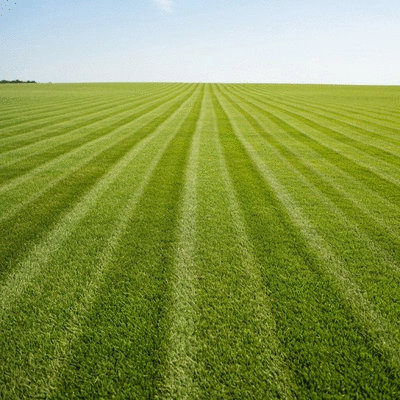
A vibrant, healthy lawn with freshly mown stripes under a clear sky, symbolizing successful long-term lawn maintenance, no text, no words, no typography, 8K

By following these long-term strategies, you’re setting your lawn up for success year after year. Trust me, it’ll be worth the effort when you gaze upon a lush, green landscape outside your window!

Importance of Lawn Fertilization Schedules for Growth

Establishing a proper fertilization schedule is a cornerstone of maintaining a healthy lawn, especially after overseeding. Here are some key points to consider:

  • Timing: Fertilize in early spring and again in the fall. This allows your grass to absorb nutrients during its peak growth periods.
  • Type of Fertilizer: Opt for slow-release fertilizers that provide a steady supply of nutrients over time.
  • Application Rates: Follow the recommended application rates based on your soil test results to avoid over-fertilizing.

When it comes to lawn care, fertilization is not just a one-time task; it’s a commitment to promoting robust growth and resilience. By incorporating these tips into your lawn care routine, you’ll enjoy a thriving landscape that brings joy to you and your family!

Your Next Steps for a Lush Lawn

Now that you have a roadmap for maintaining your lawn after overseeding, it’s time to take actionable steps toward a lush and healthy lawn! At All American Gardeners, we believe in equipping you with the best resources and support for your gardening journey.

Additional Resources and Tools for Successful Lawn Care

To help you on your way, consider checking out our collection of guides and tools specifically tailored for lawn care:

  • Step-by-step fertilizer guides
  • Soil testing kits and recommendations
  • Seasonal lawn care checklists

These resources can provide you with valuable insights and help you make informed decisions as your garden grows. Remember, a successful garden is one where you feel empowered and informed!

Join Our Community for Tips and Ongoing Support

Don’t forget, you’re not alone in this journey! Join the All American Gardeners community to connect with fellow gardeners, share experiences, and gather tips. Let’s grow together and celebrate the beauty of our gardens! Whether you’re looking for advice or just want to share your success stories, we’re here to support you every step of the way.

Recap of Key Points

Here is a quick recap of the important points discussed in the article:

  • Fall Overseeding Benefits: Enhances lawn density, resilience to diseases, and drought tolerance.
  • Optimal Timing: Aim for overseeding between mid-August and late September for effective seed germination.
  • Post-Overseeding Care: Monitor seed germination, maintain consistent moisture, and be patient during initial growth phases.
  • Long-Term Maintenance: Regular mowing, soil testing, and seasonal care practices are essential for a healthy lawn.
  • Fertilization Schedule: Fertilize in early spring and fall using slow-release fertilizers to support robust growth.

Subscribe & Share
Growing Lemon Thyme at Home Growing Lemon Thyme at Home Have you ever considered how a single herb can transform your culinary experiences and beautify your
Understanding Hydroponic Tower Gardening Understanding Hydroponic Tower Gardening Have you ever considered how a simple structure could transform your gardening experience? Hydroponi
Heirloom Seeds for Your Garden Heirloom Seeds for Your Garden What if your garden could tell a story? Heirloom seeds not only flourish under the sun but also carr
Eco-Friendly Lawn Fertilizer Options Eco-Friendly Lawn Fertilizer Options When it comes to nourishing your lawn, the switch to organic fertilizers might be the most significa
Mulch for Healthy Plants Mulch for Healthy Plants Did you know that mulching not only enhances the beauty of your garden but also plays a pivotal role
Easy Perennials for Your Zone Easy Perennials for Your Zone Have you ever considered how the right plants can transform your garden into a lush paradise? Unders
Banner
All American Gardeners

Your premier online resource for mastering home gardening across the U.S. We empower American home gardeners with expert tips, step-by-step guides, and sustainable practices for thriving outdoor spaces.

Trusted by gardeners nationwide, our mission is to provide reliable, easy-to-follow insights backed by Clara M. Greene's extensive horticulture experience and practical advice.

Cultivate Your Garden
Recent Posts
Growing Lemon Thyme at Home Growing Lemon Thyme at Home

Have you ever considered how a single herb can tra

Understanding Hydroponic Tower Gardening Understanding Hydroponic Tower Gardening

Have you ever considered how a simple structure co

Heirloom Seeds for Your Garden Heirloom Seeds for Your Garden

What if your garden could tell a story? Heirloom s

Gardening Wisdom from All American Gardeners