Cultivate Your Best Garden!

Join Clara M. Greene's community for expert tips and seasonal guides tailored for American gardeners.

Mowing Tips for Healthy Turf


How to Mow Your Lawn Properly for a Healthy Thick Turf

Posted on: 2026-02-17
By: Clara M. Greene


Proper lawn mowing techniques can make a significant difference in the health and appearance of your lawn. Let's explore how the right practices can transform your outdoor space!

What You Will Learn

  • Maintaining the correct cutting height is crucial for preventing stress on your grass.
  • Regular mowing helps encourage growth and prevents patchiness by avoiding premature seeding.
  • Varying your mowing pattern can reduce soil compaction and promote a more even lawn.
  • Using sharp mower blades results in cleaner cuts, minimizing damage to your grass.
  • Mulching clippings instead of bagging them recycles nutrients back into your lawn.
  • Avoid common mistakes, such as mowing wet grass or cutting too short, to maintain lawn health.

Key Techniques and Mistakes in Lawn Mowing

This visual highlights essential techniques for a healthy lawn and common mistakes to avoid, emphasizing how proper mowing impacts turf vitality. For a deeper dive into overall lawn health, consider exploring different grass types for US climate zones to better understand your lawn's specific needs.

Why Mowing Technique Matters

  • Cutting Height
  • Cutting Frequency
  • Pattern Variation

Key Takeaways for a Thriving Lawn

  • Adjust cutting height for grass type
  • Use sharp blades for clean cuts
  • Mulch clippings to recycle nutrients

Common Mowing Mistakes to Avoid

  • Mowing when grass is wet
  • Neglecting blade sharpness
  • Cutting the lawn too short

Understanding the Importance of Proper Lawn Mowing

As home gardeners, we often overlook one of the simplest yet most crucial aspects of lawn care: mowing. A proper mowing technique not only enhances the appearance of your lawn but also promotes a healthier turf. When done correctly, it encourages robust growth and resilience against pests and diseases. So, let’s explore why mowing technique matters for the health of your lawn!

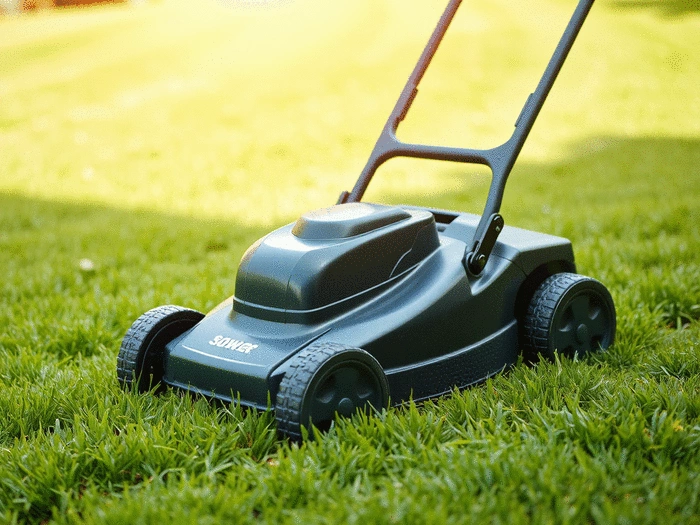
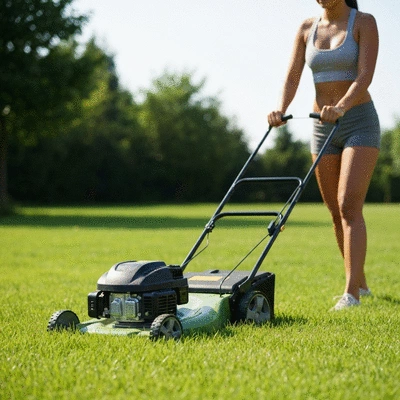
Person pushing a lawn mower across a lush green lawn on a sunny day

Regular mowing helps to manage the height of your grass, encouraging thick, lush growth. However, mowing incorrectly can lead to problems like weak roots and uneven patches. That’s why understanding the fundamentals of lawn mowing is vital for every gardener. After all, a well-maintained lawn is the envy of the neighborhood!

Why Mowing Technique Matters for Healthy Turf

When you think about your lawn, consider the following techniques that can make a significant difference in its health:

  • Cutting Height: Maintaining the right height prevents stress on the grass. Each grass type has its ideal height, and keeping it there is essential.
  • Cutting Frequency: Regular mowing encourages growth and prevents your grass from going to seed, which can lead to patchiness.
  • Pattern Variation: Changing your mowing pattern each time helps reduce the risk of soil compaction and promotes a more even turf.

By focusing on these techniques, you’ll help your lawn thrive, ensuring it remains lush and green throughout the growing season. Remember, a healthy lawn isn’t just a visual delight; it also contributes to a healthier environment!

Common Mistakes to Avoid While Mowing

As a passionate gardener, I've seen firsthand how common mistakes can derail even the most diligent lawn care efforts. Here are some errors to steer clear of:

  • Mowing when wet: Wet grass can lead to uneven cuts and clumping, causing stress to the grass.
  • Neglecting blade sharpness: Dull blades tear grass rather than cut it cleanly, leading to brown tips and increased vulnerability.
  • Cutting too short: Scalping your lawn can stress the grass, leaving it prone to drought and weeds.

By avoiding these pitfalls, you’ll minimize stress on your turf and promote a thriving lawn. Trust me, your grass will thank you for it, and you'll enjoy a beautiful green space all season long!

Pro Tip

Did you know that changing your mowing pattern regularly can significantly enhance your lawn's health? By alternating your mowing direction each time, you can prevent soil compaction and encourage upright growth, leading to a thicker, more resilient lawn. Give it a try and watch your grass thrive!

Key Takeaways for a Thriving Lawn

As we wrap up our discussion on lawn care, it's crucial to remember that proper lawn mowing techniques are the backbone of healthy turf. Understanding how to mow effectively not only encourages lush growth but also helps in maintaining soil health. Here are some key points to keep in mind:

  • Always adjust your mower to the optimal cutting height for your grass type.
  • Use sharp blades to ensure clean cuts, which can reduce stress on the grass.
  • Consider mulching clippings instead of bagging them to recycle nutrients back into your lawn.

By focusing on these elements, you can cultivate a thriving lawn that not only looks good but also supports the environment. I’ve seen firsthand how these practices transform lawns, making them more resilient against pests and diseases! For more general guidance on nurturing your green space, check out these plant care tips for home gardeners.

Final Thoughts on Proper Lawn Mowing Techniques and Lawn Care Tips

It may seem overwhelming at first, but incorporating proper mowing techniques into your lawn care routine doesn’t have to be complicated. Remember, a little effort goes a long way! Consider tracking your mowing schedule and grass growth, as doing so can help you make informed decisions based on your specific lawn conditions.

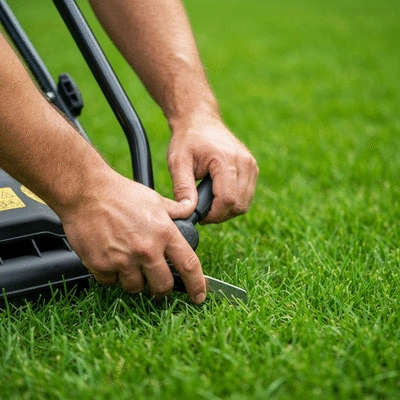
Close-up of a person's hands adjusting the height setting on a modern lawn mower

Think of All American Gardeners as your partner in this journey. We’re here to provide the resources and support you need to create a healthy outdoor space that you can be proud of!

Encouraging Sustainable Practices for Lawn Maintenance and Eco-friendly Practices

Sustainable gardening isn’t just a trend; it’s a necessity for our planet. By adopting eco-friendly lawn care practices, you contribute to a healthier ecosystem. Here’s how you can make a positive impact:

  • Use organic fertilizers to promote soil health without chemicals.
  • Implement water-saving techniques, such as deep watering and mulching.
  • Encourage biodiversity by planting native plants alongside your lawn.

These practices not only enhance your lawn's vitality but also protect local wildlife and conserve resources. Trust me, it feels good to know you're doing your part for the environment!

Frequently Asked Questions (FAQs)

1. Why is proper mowing technique important for my lawn?
Proper mowing techniques enhance your lawn's appearance, promote healthier turf, encourage robust growth, and increase resilience against pests and diseases. It helps maintain an ideal grass height and prevents issues like weak roots and uneven patches.
2. What is the correct cutting height for my grass?
The correct cutting height depends on your specific grass type. Maintaining the ideal height prevents stress on the grass, allowing it to grow healthier and more densely.
3. How often should I mow my lawn?
Regular mowing encourages consistent growth and prevents the grass from going to seed, which can lead to patchiness. The frequency will vary based on grass type, season, and growth rate.
4. Why should I vary my mowing pattern?
Varying your mowing pattern each time helps reduce soil compaction and promotes a more even and upright turf, leading to a healthier and thicker lawn.
5. What are some common mowing mistakes to avoid?
Avoid mowing when the grass is wet, as this leads to uneven cuts and clumping. Also, ensure your mower blades are sharp to prevent tearing the grass, and never cut the lawn too short (scalping), as this stresses the grass and makes it prone to drought and weeds.
6. Is mulching grass clippings beneficial?
Yes, mulching clippings instead of bagging them recycles valuable nutrients back into your lawn, acting as a natural fertilizer and improving soil health.

Take Action for a Healthier Lawn

Now that you’re equipped with essential lawn care tips, it’s time to take action! Implementing these practices can lead to a lush and thriving lawn that you’ll love to spend time in.

Start by making a checklist of the techniques we discussed and integrate them into your lawn maintenance routine. Consistency is key, and soon enough, you'll notice the difference in your lawn's health and appearance.

Implementing These Tips in Your Lawn Care Routine

To effectively incorporate these tips, consider breaking them down into manageable steps:

  • Create a mowing schedule based on your grass type and the season.
  • Sharpen your mower blades at the beginning of each season.
  • Set reminders for when to fertilize and mulch your lawn.

By taking small steps, you can achieve a vibrant lawn! Don’t hesitate to refer back to this guide whenever you need a refresher or motivation.

Resources for Further Learning and Support: Local Turf Specialists and Lawn Care Guides

Finally, remember that you don’t have to navigate your lawn care journey alone. Local turf specialists can provide tailored advice specific to your area, and there are numerous resources available online. At All American Gardeners, we’re committed to empowering you with knowledge and tools for every stage of your gardening experience. For instance, understanding how to choose the right gardening seeds can be just as crucial as proper mowing for overall garden success.

Whether it’s our step-by-step guides or local resources, we’re here to support your gardening adventures and ensure your lawn is the best it can be!

Recap of Key Points

Here is a quick recap of the important points discussed in the article:
  • Maintain the correct cutting height for your grass type to prevent stress and promote healthy growth.
  • Mow regularly to encourage growth and avoid patchiness in your lawn.
  • Change your mowing pattern to reduce soil compaction and promote even turf.
  • Avoid common mistakes such as mowing wet grass, using dull blades, and cutting too short.
  • Consider mulching clippings to recycle nutrients back into your lawn.

Subscribe & Share
Growing Your Own Herb Garden Herb Garden Ever thought about the joy of nurturing your own herb garden? It's not just about cooking; it's a ga
Plant Care Tips for Home Gardeners Ultimate Guide to Plant Care for American Home Gardeners What if your garden could not only thrive but also play a vital role in your local ecosystem? Unders
Gardening with Burpee Seeds burpee gardening Starting your gardening journey can feel overwhelming, but with the right tools and knowledge at you
Banner
All American Gardeners

Your premier online resource for mastering home gardening across the U.S. We empower American home gardeners with expert tips, step-by-step guides, and sustainable practices for thriving outdoor spaces.

Trusted by gardeners nationwide, our mission is to provide reliable, easy-to-follow insights backed by Clara M. Greene's extensive horticulture experience and practical advice.

Cultivate Your Garden
Recent Posts
Herb Garden Growing Your Own Herb Garden

Ever thought about the joy of nurturing your own h

Ultimate Guide to Plant Care for American Home Gardeners Plant Care Tips for Home Gardeners

What if your garden could not only thrive but also

burpee gardening Gardening with Burpee Seeds

Starting your gardening journey can feel overwhelm

Gardening Wisdom from All American Gardeners