Summer Focus
- ●Irrigation Management
- ●Pest Monitoring
- ●Mowing Frequency
Join Clara M. Greene's community for expert tips and seasonal guides tailored for American gardeners.
Posted on: 2026-02-22
By: Clara M. Greene
Spring is a time of renewal, and your lawn deserves the same care and attention you give to other aspects of your home. With the right preparation, you can transform your outdoor space into a thriving oasis. So, what steps should you take to ensure your lawn is ready for the growing season?
This visual outlines the key tasks for spring lawn care, distinguishing between early and late spring activities, and integrating them into a comprehensive year-round plan for a healthy and vibrant lawn. For a deeper dive into the tools that can help you achieve this, check out our guide on essential tools for new gardeners.
As the snow melts and the sun starts shining, it's time to think about your lawn! Preparing your lawn in spring is crucial for its health and beauty. A well-cared-for lawn not only enhances the aesthetic appeal of your home but also promotes robust growth throughout the growing season. By investing time and effort now, you’re setting the stage for a lush, vibrant landscape that can become the envy of the neighborhood!
Spring lawn preparation is more than just a task; it’s an opportunity to rejuvenate your outdoor space. When you take the time to properly prepare your lawn, you make it more resilient against pests and diseases, and you also improve its overall health. This can lead to a thicker, greener lawn that offers a welcoming environment for family gatherings and outdoor fun!
By taking these steps, not only are you ensuring a thriving lawn, but you’re also contributing to the environmental health of your community. It’s a win-win situation!
Timing is everything when it comes to lawn care! Knowing the difference between early and late spring tasks can make a significant difference in your lawn's recovery and growth. In early spring, focus on clean-up and preparation tasks, while late spring is the perfect time for planting and fertilization. To ensure you select the best seeds for your climate, explore our guide on choosing the right gardening seeds.
Keep in mind that these tasks can vary depending on your region! For example, southern states often see warmer weather earlier than northern states, so adjust your timing accordingly. As a passionate gardener, I always recommend paying attention to your local climate to make the best decisions for your lawn.
After a long winter, your yard might be hiding a few surprises! It’s essential to clear away any debris like leaves, branches, and other clutter that can hinder your lawn's growth. Not only does this create a clean slate, but it also prevents diseases and pests from taking root.
Taking the time to do this now means your lawn can breathe and thrive as it begins to wake from its winter slumber. Plus, it feels so satisfying to see a tidy yard!
A lawn mower that’s in top shape can make all the difference! Before you start mowing, check your equipment to ensure it's ready for action. A little maintenance now can save you trouble later.
Taking care of your tools not only enhances their longevity but also helps your lawn look its best. After all, who doesn’t want a pristine lawn to show off?
Healthy soil is the foundation of a thriving lawn! Testing your soil's pH and nutrient levels is vital to understand what your lawn needs. A simple soil test kit can provide valuable insights.
By amending your soil, you create an ideal environment for grass to establish deep roots. Trust me; your lawn will thank you!
Aeration is a crucial step to promote airflow and nutrient absorption in your soil. This process involves perforating your lawn with holes, allowing water, air, and nutrients to reach grassroots.
By aerating your lawn, you’re giving it a fresh start and improving its health significantly. Remember, a vibrant lawn is a happy lawn!
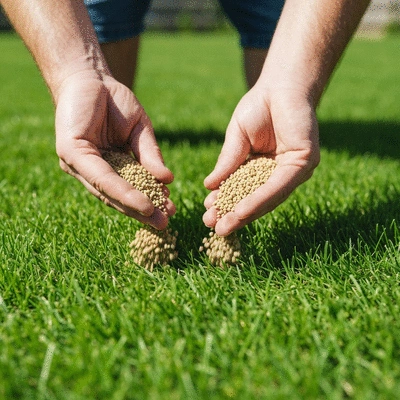
Nothing says "spring" quite like a carpet of green grass! Overseeding is the best way to fill in bare or thin spots in your lawn. Selecting the right grass type based on your region will ensure its success.
By overseeding, you’re not just filling in gaps; you’re enhancing the overall richness of your lawn! It’s all about creating a beautiful outdoor space for you and your family!
Fertilization is key to ensuring your lawn gets the nutrients it needs to thrive. It’s essential to choose the right fertilizer and apply it at the right time for maximum benefits.
Fertilizing your lawn thoughtfully will lead to lush, green grass that you can be proud of. Remember, a little goes a long way!
Regular mowing is vital for maintaining a healthy lawn, but there’s a strategy to it! Cutting your grass to the right height encourages strong growth and helps prevent weeds. For more detailed guidance, read our article on mowing tips for healthy turf.
By adhering to these mowing practices, you can create a healthy environment for your grass to flourish. Plus, it’ll look fantastic, too!
Weeds can be a gardener's worst nightmare! Implementing effective weed control strategies is essential to keep your lawn looking its best. Early prevention is key!
By staying proactive with weed control, you’ll have a lawn that’s not only beautiful but also resilient against invasive plants!
As you embark on your spring lawn care journey, it's essential to think about water conservation. Efficient watering practices can help you save resources and promote deep root growth.
Implementing these techniques not only conserves water but also encourages a more sustainable approach to lawn care!
Spring is not just about growth; it’s also a time to be vigilant against pests and diseases. Identifying potential threats early can help you protect your lawn.
By staying proactive, you can maintain a healthy lawn that thrives and resists common threats!
To keep all these tasks organized, consider creating a lawn care calendar. A visual guide can help you track what needs to be done when, tailored to your specific USDA zone.
A lawn care calendar not only helps you stay on top of your tasks but also enhances your gardening experience!
For those passionate about sustainability, utilizing organic lawn care practices can be highly rewarding. Organic methods promote a healthy ecosystem and provide long-term benefits.
By embracing organic practices, you're contributing to a healthier planet while enjoying a beautiful lawn!
To achieve a lush and healthy lawn, remember to fertilize with a slow-release fertilizer. This method not only provides consistent nutrients over time but also helps prevent the risk of burning your grass. Additionally, consider testing your soil every season to tailor your nutrient application effectively—your lawn will thank you!
Creating a healthy and vibrant lawn doesn’t just happen in spring! Throughout the year, your lawn requires consistent care and attention. By following a year-round lawn care plan, you can ensure your grass stays lush, green, and resistant to pests and diseases.
Let’s summarize some key tasks that will help your lawn thrive every season:
By staying on top of these tasks, you can enjoy a beautiful lawn that enhances your home’s curb appeal and provides a perfect space for family gatherings!
I believe that having a handy checklist can be a game-changer for lawn enthusiasts! That’s why I’ve created a comprehensive Spring Lawn Care Checklist that you can download and print. This checklist includes all the essential tasks to tackle during the spring season, helping you stay organized and on track. Just imagine checking off tasks as you go—it’ll feel so rewarding!
To get your Spring Lawn Care Checklist, simply visit our website, All American Gardeners, and download your copy today. Trust me, you’ll be glad to have this resource at your fingertips!
One of the best ways to enhance your gardening journey is by connecting with fellow lawn care enthusiasts! I encourage you to join local or online communities where you can share your experiences, exchange tips, and celebrate successes. These connections can be incredibly motivating and provide you with a wealth of knowledge.
Whether you’re a novice or a seasoned gardener, engaging with others can open doors to new ideas and techniques that might just transform your lawn!
To help you achieve the best results, I’ve compiled a list of trusted products that I recommend for lawn care:
These products can elevate your lawn care routine, and by following the links on our site, you can easily access affiliate recommendations that support our mission at All American Gardeners.
Staying updated with the latest lawn care tips and tricks is essential! I recommend following some fantastic lawn care blogs and using gardening apps that offer ongoing advice and support. These resources can guide you through every season and keep you informed about new strategies to try in your own garden.
Let’s make this journey enjoyable and educational! After all, the more you learn, the more successful your gardening adventures will be.
Here is a quick recap of the important points discussed in the article:
A: Spring lawn preparation is crucial for boosting grass growth, reducing weed competition, enhancing curb appeal, and making your lawn more resilient against pests and diseases throughout the year. It sets the foundation for a healthy and vibrant lawn.
A: Early spring tasks typically focus on cleanup and preparation, such as clearing debris, tuning up your mower, and testing soil health. Late spring tasks involve growth and restoration, including aeration, overseeding bare spots, and applying fertilizer.
A: The best way to determine if your soil needs amending is by conducting a soil test. This will reveal your soil's pH level and nutrient deficiencies. Most grasses prefer a pH between 6.0 and 7.5. Based on the results, you can add organic matter like compost or adjust pH with lime or sulfur.
A: Aeration promotes better airflow, water penetration, and nutrient absorption to the grassroots. This leads to stronger root development, improved overall health, and a more vibrant lawn. It's best done when the soil is moist for easier penetration.
A: A slow-release fertilizer provides nutrients to your lawn gradually over an extended period. This ensures steady nourishment, prevents nutrient runoff, and reduces the risk of burning your grass, leading to more consistent and healthy growth. For tips on choosing the right organic options, see our article on top organic fertilizers for vegetables.