What is Soil pH?
Soil pH measures acidity/alkalinity (0-14 scale, 7 is neutral).
- pH < 7: Acidic
- pH = 7: Neutral
- pH > 7: Alkaline
Join Clara M. Greene's community for expert tips and seasonal guides tailored for American gardeners.
Posted on: 2026-04-03
By: Clara M. Greene
Soil pH plays a pivotal role in determining the health of your lawn. Understanding it can transform your outdoor space from lackluster to lush! What can the right pH do for your grass? Read on to discover essential insights that can help you cultivate a thriving lawn.
This visual guide quickly summarizes key soil pH levels and their impact on different grass types, helping you achieve a healthier lawn.
Soil pH measures acidity/alkalinity (0-14 scale, 7 is neutral).
pH directly impacts nutrient availability to grass.
Most grasses thrive in pH 6.0-7.0. Specifics:
Soil pH is a crucial factor in determining the health of your lawn. It measures the acidity or alkalinity of the soil, which directly influences the availability of nutrients to your grass. If you've ever noticed your lawn struggling to thrive despite regular maintenance, understanding soil pH could be the missing link! A balanced pH range can lead to a lush, green lawn that flourishes under the right conditions. For more information on maintaining a healthy lawn, check out our guide on mowing tips for healthy turf.
When soil pH is too low (acidic) or too high (alkaline), it can hinder your grass's ability to absorb essential nutrients. This imbalance often leads to poor growth and increased susceptibility to pests and diseases. So, let’s dive deeper into what soil pH is and why it matters for your lawn's health.
Soil pH is a numerical scale that ranges from 0 to 14, with 7 being neutral. Values below 7 indicate acidity, while values above 7 indicate alkalinity. Understanding where your soil lies on this scale is vital for optimal lawn care. A more acidic environment can lead to nutrient deficiencies and impede the growth of healthy grass.
By understanding soil pH, you can take the necessary steps to improve your lawn's vitality, ensuring it remains a vibrant and inviting space for your family and friends.
The pH scale is a simple yet powerful tool in the world of gardening and lawn care. It categorizes soil into three main types based on acidity:
It's imperative to understand that different grass types thrive in different pH ranges. For instance, cool-season grasses like Kentucky bluegrass prefer a slightly acidic to neutral soil, while warm-season grasses like Bermuda grass can tolerate a wider pH range. Adjusting your lawn's pH can transform it from a struggling patch into a thriving green oasis! To select the best grass for your region, refer to our guide on grass types for US climate zones.
Most grasses perform best in a pH range of 6.0 to 7.0, where nutrients are readily available. Here's a quick guide to the ideal pH levels for some popular grass types:
By keeping an eye on the pH levels of your soil, you can ensure that your specific grass type has the best chance to thrive. If your grass is not growing as expected, consider testing your soil pH—it might just be the key to unlocking a healthier and more beautiful lawn.
Soil pH is a measure of the acidity or alkalinity of your soil, indicated on a scale from 0 to 14. A pH of 7 is neutral, below 7 is acidic, and above 7 is alkaline.
Soil pH directly affects the availability of essential nutrients to your grass. If the pH is too high or too low, your lawn may not be able to absorb nutrients effectively, leading to poor growth and health issues.
Most grasses thrive in a pH range of 6.0 to 7.0, which allows for optimal nutrient absorption and healthy growth.
Acidic soils (pH < 6.0) can limit the availability of crucial nutrients like calcium and magnesium, causing your grass to struggle.
Alkaline soils (pH > 7.0) can prevent the uptake of iron, which often results in yellowing grass and other nutrient deficiencies.
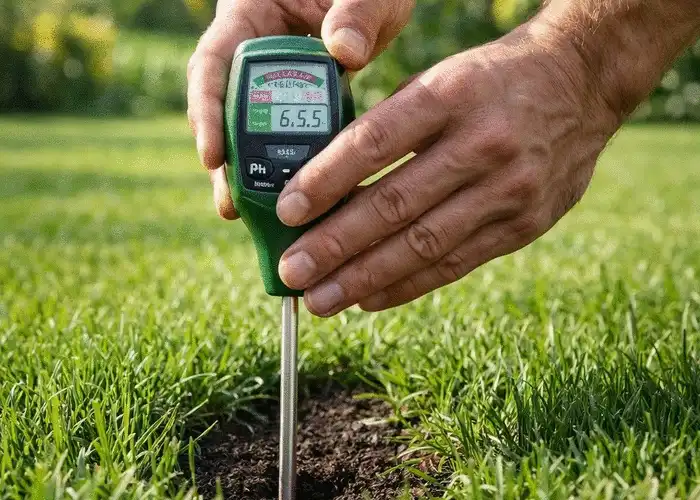
You can test your soil pH using a home test kit, or by sending a soil sample to a local extension office or professional lab for a more comprehensive analysis.
To raise acidic pH, you can add lime. To lower alkaline pH, you can add sulfur or other acidifying amendments. Always follow specific product instructions and retest your soil after application.
What challenges have you faced with managing your lawn's soil pH? Share your experiences and tips below:
As we wrap up our journey through the intricacies of soil pH, it's clear that understanding and managing this aspect of lawn care is pivotal for a vibrant and thriving lawn. By testing and balancing your soil pH, you can ensure that your grass gets the nutrients it needs to flourish. Remember, a healthy lawn isn't just about watering and mowing—it's about creating the right environment for growth!
So, what are the key takeaways? Here are the essential benefits of soil pH testing and balancing:
With these benefits in mind, it’s time to take action! Conduct a soil test, adjust your pH as necessary, and watch your lawn thrive!
If you feel overwhelmed by the process or want to ensure that everything is done correctly, consider seeking help from professionals. Local lawn care services can provide expert soil testing and amendments tailored to your lawn's specific needs.
At All American Gardeners, we believe in empowering homeowners like you to achieve the lush landscape you've always wanted. And if you're ready to take the next step, here’s how to get started:
Taking these steps will not only save you time but also give you peace of mind knowing that your lawn is in great hands. Let's work together towards a healthier, happier lawn—after all, a thriving garden is just a test away! For more tips on keeping your lawn healthy, explore our guide on natural weed control for lawns.
Here is a quick recap of the important points discussed in the article: