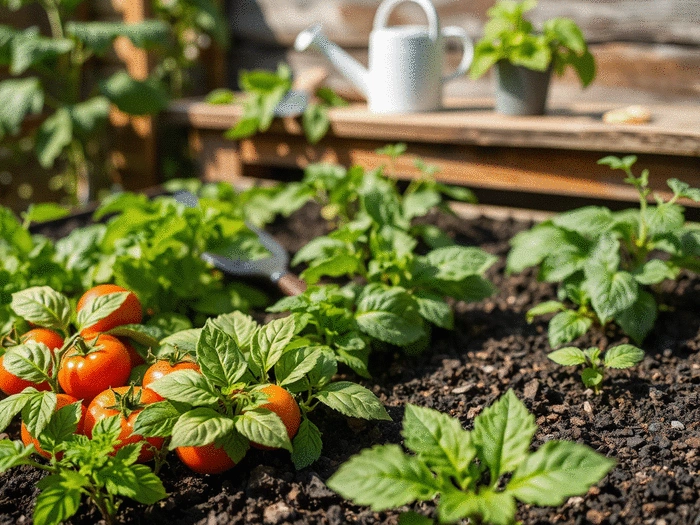
Mistake 1 Overwatering
Too much water leads to root rot and fungal diseases. It suffocates roots by displacing air in the soil.
Quick Fix:
Check soil moisture 1 inch deep before watering. Water only when dry.
Join Clara M. Greene's community for expert tips and seasonal guides tailored for American gardeners.
Posted on: 2026-05-29
By: Clara M. Greene
Recognizing the common pitfalls in organic gardening can turn your gardening journey into a flourishing success. As you refine your skills, you’ll discover that each mistake presents a valuable learning opportunity. Ready to dig deeper into the world of organic gardening?
Understanding and addressing the most frequent missteps can significantly improve your garden's health and yield. Below are key areas where gardeners often stumble, along with simple solutions. For a comprehensive overview of how to start your organic gardening journey, check out our organic gardening tips for beginners.
Too much water leads to root rot and fungal diseases. It suffocates roots by displacing air in the soil.
Check soil moisture 1 inch deep before watering. Water only when dry.
Neglecting soil health causes stunted growth and nutrient deficiencies.
Perform soil tests seasonally. Amend with compost to improve structure and nutrients.
Incorrect application can lead to nutrient burn or imbalance, harming plants.
Follow product directions carefully. Opt for organic, slow-release options appropriate for your plants.
Overcrowding limits air circulation, light, and nutrient uptake, increasing disease risk.
Adhere to recommended plant spacing. Thin seedlings early to give plants room to grow.
As a passionate gardener, I know firsthand that organic gardening can be a fulfilling yet challenging journey. One of the key elements to success is recognizing and understanding the common mistakes that can derail our gardening efforts. Identifying these pitfalls not only helps in avoiding future problems but also enhances your overall gardening experience. After all, every mistake is a learning opportunity, right?
In this segment, I'll break down the typical errors that organic gardeners often face. By being aware of these common mistakes, we can cultivate healthier plants and more productive gardens. Ready to dig in? Let’s get started!
Understanding the common mistakes in organic gardening is crucial for several reasons. Firstly, it can save time and resources—after all, no one wants to waste precious seeds or soil. Secondly, recognizing these errors early can improve the health of your plants, leading to better yields and a more vibrant garden.
Furthermore, by identifying and addressing mistakes, we foster a more sustainable gardening environment. This not only benefits our own gardens but also contributes positively to the ecosystem around us. It’s a win-win situation! For deeper insights into maintaining plant health, check out our guide on plant care tips for home gardeners.
Here’s a quick rundown of some prevalent mistakes that many organic gardeners encounter:
These mistakes may seem minor, but they can significantly affect your gardening success. Remember that the key to thriving gardens lies not just in what we do right, but also in what we can learn from our missteps.
Now that we've set the stage with an overview, let’s dive deeper into some frequent organic gardening mistakes and explore their quick fixes. This way, you can tackle these challenges head-on!
Did you know that nearly 50% of new gardeners give up within the first year due to common mistakes? This statistic highlights the importance of understanding and addressing these pitfalls early on. By learning from these challenges, you can not only improve your gardening skills but also enjoy a more fruitful and satisfying gardening journey!
Overwatering is a very common mistake. It can lead to root rot and fungal diseases because it displaces air vital for root health in the soil.
Regular soil tests (seasonally) are recommended. Amending your soil with compost significantly improves its structure and nutrient content, which is crucial for healthy plant growth.
Always follow the product directions carefully. Opt for organic, slow-release fertilizers that are appropriate for the specific needs of your plants to avoid nutrient burn or imbalance.
Correct plant spacing ensures adequate air circulation, light exposure, and nutrient uptake, which are all vital for growth. Overcrowding can lead to increased disease risk and stunted development.
Early recognition of pest issues is key. Implement natural pest control methods, such as introducing beneficial insects, using organic sprays, and maintaining garden hygiene, to safeguard your plants from infestations.
As we've explored, organic gardening is a journey filled with learning opportunities! Mistakes are a natural part of this beautiful process, and recognizing them allows us to grow not just our plants but also our gardening skills. The key takeaway is that identifying and fixing gardening mistakes can significantly enhance the health and productivity of your garden.
It's essential to approach these challenges with a mindset of continuous learning. Each season brings new experiences, and every gardener, whether a novice or seasoned pro, can benefit from reflecting on their practices. By doing so, we not only improve but also foster a deeper connection with our plants and the environment.
Gardening is a dynamic field, constantly evolving with new techniques and insights. Staying informed about best practices and common pitfalls is vital for success. Here are some reasons why continuous learning is crucial in organic gardening:
Remember, the journey of gardening isn’t just about the destination; it’s about enjoying every moment along the way! Each challenge gives you a chance to adapt and thrive, creating a more vibrant garden.
I invite you to share your gardening stories with the community! Sharing experiences, whether they be triumphs or mistakes, fosters a sense of connection among gardeners. Here are a few ways you can engage:
By sharing our journeys, we can inspire one another and cultivate a richer gardening community. Plus, your insights could help someone else avoid the mistakes you’ve encountered!
Now that you have a better understanding of common organic gardening mistakes, it's time to take action! Here are some quick fixes to implement right away:
These quick adjustments can make a world of difference in your garden’s health. Remember, small changes lead to big results! The important part is to observe and adapt as you go.
Don't hesitate to reach out to fellow gardeners! Engaging with the community provides invaluable support, ideas, and encouragement. Consider these avenues:
Your local gardening community is a treasure trove of knowledge and friendship. Let's share the joy of gardening together!
To deepen your knowledge and skills, explore workshops and local clubs focused on gardening. These resources can provide hands-on experience and personal interaction that enriches your learning. Here’s how to find the right opportunities:
Engaging in these activities will not only enhance your gardening skills but also connect you with like-minded individuals. For more tools and techniques to help you on your journey, explore our guide on essential tools for new gardeners. Together, we can grow and learn, making our gardens flourish even more!
Here is a quick recap of the important points discussed in the article: