Hydroponics Advantages
- ✓ Space Efficiency
- ✓ Water Conservation
- ✓ No Weeds or Soil Pests
- ✓ Faster Growth Rates
Join Clara M. Greene's community for expert tips and seasonal guides tailored for American gardeners.
Posted on: 2026-05-10
By: Clara M. Greene
Curious about how you can grow your own food without soil? Hydroponic gardening is an innovative solution that not only saves space but also enhances your gardening experience. Dive into the essentials of this exciting method and discover how to cultivate a thriving garden!
Delve into the core advantages and popular techniques of hydroponic gardening, offering a clear comparison for beginners.
Plants suspended in air, misted with nutrient-rich water. Promotes oxygen absorption, strong and healthy plants.
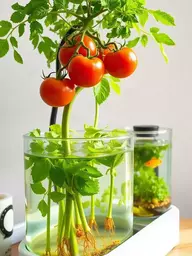
Plant roots submerged in nutrient solution with an air pump. Straightforward, excellent for beginners.
Welcome to the exciting world of hydroponic gardening! If you've ever wanted to grow your own food but felt limited by space or soil quality, hydroponics might just be your answer. This method allows you to cultivate plants in nutrient-rich water instead of soil, making it a fantastic option for urban dwellers and those looking to maximize their gardening potential.
To get started, let’s dive into what hydroponic gardening truly is and explore its many advantages. As a devoted gardener myself, I find hydroponics to be a fascinating way to connect with nature while using innovative techniques! For more insights into organic methods, check out these organic gardening tips for beginners.
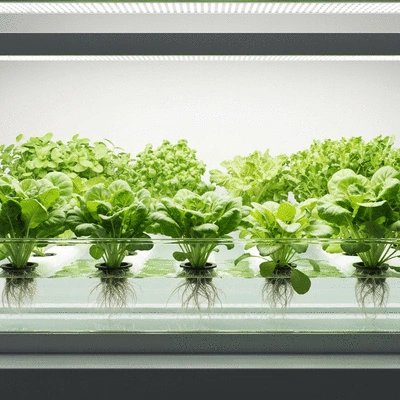
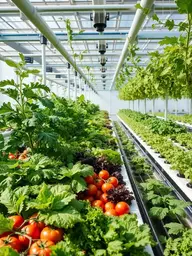
Hydroponic gardening is a soilless growing technique that uses a nutrient solution to feed plants. Instead of relying on the soil to provide essential nutrients, plants absorb everything they need directly from the water. This method can result in faster growth and higher yields due to the controlled environment it provides.
In hydroponics, you can use various systems, such as nutrient film technique (NFT) or deep water culture (DWC), each tailored to different plant types and space requirements. With the right setup, hobbyists can enjoy fresh produce year-round—just imagine having a constant supply of herbs and veggies right in your home!
Hydroponic systems offer numerous benefits, particularly for those interested in organic gardening. Here are some key advantages:
As a passionate gardener, I love sharing these benefits with others, especially those who might feel hesitant about growing their own food. Hydroponics truly opens up a world of possibilities!
Now, let’s look at two popular hydroponic techniques: Aeroponics and Deep Water Culture (DWC). Both methods have their unique strengths and can be utilized based on your gardening goals.
When deciding between these techniques, consider your space, plant types, and how much time you can dedicate to maintaining the system. Both methods can yield delicious results, so pick the one that suits your lifestyle best!
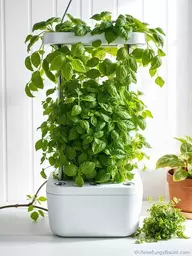
To maximize your hydroponic garden's potential, consider integrating companion planting. This technique involves growing different plants together that can benefit each other, such as pairing basil with tomatoes. Not only does this enhance growth, but it can also improve flavor and reduce pest issues. Experiment with combinations to discover what works best for your setup!
As we navigate the world of hydroponic gardening, one exciting goal for many is achieving organic certification. Transitioning to organic certification can be a rewarding journey, enhancing both the quality of your produce and your gardening credibility. At All American Gardeners, I’m passionate about empowering home gardeners like you to embrace sustainable practices that align with your values and the environment.
The process of becoming OMRI-certified (Organic Materials Review Institute) involves a series of steps that focus on using approved organic materials and practices. It’s not just about following regulations; it’s about committing to a holistic approach to gardening that supports both your health and the planet’s.
Following these steps not only brings you closer to certification but also allows you to cultivate a garden that is healthier for you and the environment. The benefits of organic practices extend beyond certification; they promote soil health, biodiversity, and sustainable pest management.
Incorporating sustainable practices into your hydroponic garden yields numerous benefits. For starters, sustainable gardening enhances soil health, minimizes pollution, and conserves water. It’s a win-win for both the gardener and the environment!
By embracing sustainable methods, you’ll not only grow vibrant, nutritious crops but also contribute positively to the wider community and ecosystem. And who doesn’t want to feel good about what they’re growing?
Organic fertilizers play a crucial role in hydroponics, providing essential nutrients without harmful chemicals. They help maintain the harmony of your growing environment, ensuring your plants thrive naturally. At All American Gardeners, we recommend exploring OMRI-certified organic fertilizers that enrich your hydroponic system.
When selecting organic fertilizers, consider options like compost teas, fish emulsion, and seaweed extracts. These natural inputs not only nourish your plants but also foster a healthy microbial community within your system. Using organic fertilizers can lead to stronger, more flavorful produce that truly represents the essence of your gardening journey!
As you embark on your hydroponic adventure, engaging with the hydroponic community can provide invaluable support and insights. Connecting with fellow gardeners can inspire you, help solve challenges, and enhance your overall learning experience. At All American Gardeners, I’m thrilled to assist you in navigating this vibrant community!
There are countless online platforms where hydroponic enthusiasts gather to share their experiences. Here are a few popular forums and groups you might find helpful:
Participating in these forums allows you to ask questions, share tips, and connect with like-minded individuals who share your passion for gardening. It’s a wonderful way to learn from both beginners and seasoned experts!
Choosing the right tools and products can make a significant difference in your hydroponic journey. Here are some brands I recommend for beginners:
Investing in quality brands ensures you have the best resources at your disposal, making your hydroponic experience smoother and more enjoyable!
There’s no substitute for hands-on learning! Look for local workshops or online training sessions tailored to hydroponics. These opportunities are fantastic for gaining practical knowledge and expanding your skill set. Many community gardens and gardening centers offer workshops that can help you grow more confidently.
Whether you're just starting or looking to refine your techniques, participating in these workshops can deepen your understanding and enhance your gardening skills. Remember, every garden tells a story, and you’re the author!
As we wrap up this deep dive into hydroponic gardening, I hope you feel empowered and excited to take the plunge! Whether you’re achieving organic certification or engaging with fellow gardeners, every step enriches your gardening journey. Starting a hydroponic garden is not just about growing plants; it's about creating a thriving space that reflects your values and passion.
By remembering these key points, you’re setting yourself up for success in your hydroponic endeavors. Every garden presents an opportunity to learn and grow.
So, are you ready to start your hydroponic garden? I encourage you to take that first step—whether it's researching your setup, joining a community, or purchasing your first seeds. Let your journey unfold at your own pace; after all, gardening is as much about the process as it is about the produce!
The world of hydroponics is constantly evolving with new innovations and research. Keeping an eye on advancements can open doors to even more sustainable techniques and improved yield strategies. At All American Gardeners, I’m excited to share these insights with you as we navigate the future of gardening together. Here's to a successful hydroponic journey!