Cultivate Your Best Garden!

Join Clara M. Greene's community for expert tips and seasonal guides tailored for American gardeners.

Natural Lawn Care Basics


Natural Lawn Care Basics

Posted on: 2026-05-07
By: Clara M. Greene


Are you ready to transform your lawn into a thriving, eco-friendly space? With the right organic practices, you can not only enhance your lawn's beauty but also contribute positively to the environment. Let’s uncover the essential lessons in organic lawn care!

What You Will Learn

  • Soil Health: Prioritize natural soil amendments to maintain a fertile and sustainable lawn ecosystem.
  • Environmental Benefits: Organic practices reduce chemical runoff, promoting cleaner waterways and healthier wildlife.
  • Safety: Organic lawns create safer outdoor environments for children and pets, free from harmful chemicals.
  • Innovative Practices: Explore tools like compost tea and biodegradable weed barriers to enhance lawn care efficiency.
  • Long-Term Sustainability: Healthy soil leads to resilient grass that can better withstand drought and pests.

Organic Lawn Care: Benefits and Best Practices

Discover the core advantages and essential steps for maintaining a healthy, eco-friendly lawn.

Why Choose Organic: Key Advantages

  • Environmental Impact: Reduces chemical runoff.
  • Soil Health: Enhances fertility, promotes microbes.
  • Safety: Safer for families and pets.
  • Sustainability: Resilient grass, less drought/pest issues.

Organic Lawn Care Essentials

  • Seed Wisely: Opt for organic, climate-suited seeds.
  • Mow Higher: Encourages deep root growth.
  • Maintain Regularly: Aeration and overseeding.
  • Water Smart: Conserve resources, healthy lawn.

Debunking Common Lawn Care Myths

  • Myth: Organic lawns need more maintenance. Reality: Less intervention once established.
  • Myth: Chemicals are necessary for lushness. Reality: Organic provides all nutrients.
  • Myth: High mowing heights look shaggy. Reality: Promotes healthier, resilient lawn.

Tools for Your Organic Journey

  • Soil Test Kits: Understand nutrient needs.
  • Organic Fertilizers: Nourish without harm.
  • Eco-Friendly Pest Control: Protect safely.

Understanding Organic Lawn Care: The Benefits of Going Natural

As a passionate gardener and horticulture enthusiast, I can’t emphasize enough the importance of organic lawn care. Going natural not only benefits your lawn’s health but also contributes positively to the environment! Let’s explore why you should consider organic practices for your lawn.

One of the main reasons to choose organic lawn care over synthetic options is the long-term health of your soil and plants. Synthetic fertilizers can often lead to soil degradation and pollution. Instead, organic methods utilize natural materials that enhance soil fertility and promote a thriving ecosystem. You'll find that this approach encourages beneficial microbes and earthworms, leading to a lush, vibrant lawn. For more information on nurturing your garden's foundation, check out our guide on healthy soil for thriving gardens.

Lush green organic lawn with healthy soil visible, bright sunshine, no text, no words, no typography, 8K

Why Choose Organic Lawn Care Over Synthetic Options?

  • Environmental Impact: Organic practices reduce chemical runoff, protecting local waterways.
  • Soil Health: Naturally sourced fertilizers nourish the soil without causing harm.
  • Safety for Families and Pets: Organic lawns provide a safer play area for children and pets.
  • Long-Term Sustainability: Healthy soil leads to resilient grass that can withstand drought and pests.

By switching to organic lawn care, you're not just improving your lawn; you're also contributing to a healthier planet! It’s a win-win that every gardener can appreciate.

How Organic Practices Contribute to Soil Health and Ecosystem Balance

Organic practices, such as using compost and natural mulches, significantly enhance soil structure. These amendments improve water retention and nutrient availability, ensuring your lawn thrives even during dry spells. Soil rich in organic matter becomes a living ecosystem, teeming with beneficial organisms that help break down nutrients for grass!

Moreover, organic lawn care methods promote biodiversity by supporting a variety of organisms, from insects to microbes. This balance is crucial for natural pest control and creating a resilient lawn. In my experience, fostering this environment leads to minimal pest issues and more robust growth. Learning about effective natural pest control tips can further enhance your organic lawn care strategy.

Exploring Eco-Friendly Lawn Care Innovations

With the rise of eco-conscious gardening, there are exciting innovations in organic lawn care. These include natural pest repellents, biodegradable weed barriers, and advanced composting techniques that can transform kitchen waste into nutrient-rich soil amendments. As I’ve seen firsthand, these practices not only improve lawn health but also make gardening much more enjoyable!

  • Compost Tea: A liquid fertilizer made from steeping compost in water, packed with nutrients for grass.
  • Biodegradable Weed Barriers: Help suppress weeds without harming the environment.
  • Natural Pest Deterrents: Use plants and essential oils to keep pests at bay.

By incorporating these innovations into your lawn care routine, you can enhance the sustainability of your gardening practices while creating a stunning green space.

We Want to Hear From You!

What organic lawn care practices have you found most effective? Share your thoughts and experiences below:

Recap of Organic Lawn Care Essentials: Seed, Mow, Maintain

As we wrap up our journey into the world of organic lawn care, it’s essential to remember the three key components: seed, mow, and maintain. Each element plays a vital role in creating a healthy, sustainable lawn that thrives naturally. By selecting the right seeds, adopting proper mowing techniques, and maintaining your lawn with care, you can significantly reduce your environmental impact while enjoying a vibrant green space.

Let’s dive into some key takeaways that will help you on your organic lawn care path:

  • Opt for organic grass seeds that are suited to your local climate and soil conditions.
  • Mow your lawn at a higher setting to encourage deep root growth and healthier grass.
  • Regular maintenance practices, including aeration and overseeding, can vastly improve lawn resilience.

With these principles in mind, you’ll be well-equipped to create a lush and inviting lawn that not only enhances your property but also promotes a healthy ecosystem.

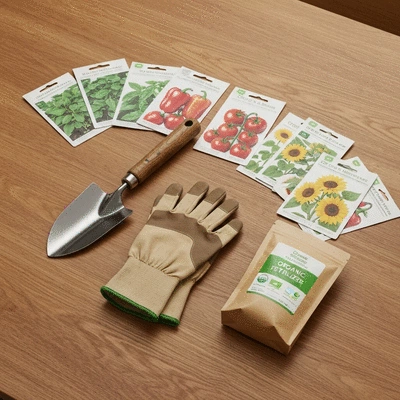
Various organic gardening tools laid out on a wooden table, such as a hand trowel, gardening gloves, seed packets, and a small bag of organic fertilizer, no text, no words, no typography, 8K

Key Takeaways for Successful Organic Lawn Care

To sum it all up, here are the most important points to focus on:

  • Soil Health: Performing soil tests and amending your soil naturally sets the foundation for a thriving lawn.
  • Watering Wisely: Adopting a smart watering schedule can reduce waste and improve your lawn’s health.
  • Weed Control: Embrace natural methods for weed management, ensuring your lawn remains chemical-free.

These essentials not only maintain your lawn but also foster a thriving ecosystem. Remember, a healthy lawn is a happy lawn!

Resources and Tools to Support Your Organic Lawn Journey

At All American Gardeners, we’re here to support you with the resources you need to succeed in your organic lawn care journey! Here are some tools and materials that can help:

  • Soil Test Kits: Essential for understanding your lawn's nutrient needs.
  • Organic Fertilizers: Enhance your lawn’s growth without harmful chemicals.
  • Eco-Friendly Pest Control: Keep your lawn safe from pests while nurturing the environment.

Utilizing these resources will streamline your efforts and ensure that you’re well-prepared for every season. As you embark on this journey, don’t hesitate to reach out for advice tailored to your unique gardening needs! Discover more about maintaining your lawn throughout the year with our lawn care calendar by growing zone.

Lawn Care Myths: Debunking Common Misconceptions

It’s time to clear the air regarding some common lawn care myths that may hold you back from truly embracing organic practices:

  • Myth 1: Organic lawns require more maintenance. Reality: Once established, organic lawns can thrive with less intervention.
  • Myth 2: Chemical fertilizers are necessary for a lush lawn. Reality: Organic fertilizers can provide all the nutrients your lawn needs!
  • Myth 3: Higher mowing heights lead to a shaggy lawn. Reality: Mowing high actually leads to a healthier and more resilient lawn.

Understanding these misconceptions empowers you to make informed decisions about your lawn care practices. Let’s work together to embrace the organic movement and cultivate the garden of your dreams!

Frequently Asked Questions About Organic Lawn Care

Here are some common questions about organic lawn care, based on the topics discussed in this article:

Q1: What are the main benefits of choosing organic lawn care?
A1: Organic lawn care offers several key benefits, including reduced chemical runoff, enhanced soil health, a safer environment for families and pets, and long-term sustainability due to more resilient grass.
Q2: How do organic practices improve soil health?
A2: Organic practices utilize natural materials like compost and natural mulches, which improve soil structure, water retention, and nutrient availability. This fosters a thriving ecosystem of beneficial microbes and earthworms, leading to healthier soil.
Q3: What are some innovative tools or practices for eco-friendly lawn care?
A3: Eco-friendly innovations include using compost tea as a liquid fertilizer, biodegradable weed barriers to suppress weeds naturally, and natural pest deterrents made from plants and essential oils.
Q4: Is it true that organic lawns require more maintenance than synthetic ones?
A4: This is a common myth. While there might be an initial transition period, once an organic lawn is established and healthy, it typically requires less intervention and maintenance than a lawn dependent on synthetic chemicals.
Q5: What are the three essential components for successful organic lawn care?
A5: The three key components are "seed, mow, and maintain." This involves opting for organic, climate-suited seeds, mowing at a higher setting for deep root growth, and regular maintenance practices like aeration and overseeding.

Join the Organic Movement: Start Your Lawn Care Transformation Today

Are you ready to take the plunge into organic lawn care? You’ve got the knowledge; now it’s time to put it into action! With the right approach, you’ll not only create a beautiful lawn but also contribute to a healthier planet.

How to Get Started with Organic Lawn Care: Practical Next Steps

To kickstart your organic lawn care journey, follow these practical steps:

  • Research the best organic grass seeds for your region.
  • Test your soil and amend it with natural products.
  • Create a watering schedule that conserves resources while keeping your lawn healthy.

These small steps can lead to significant changes in your lawn’s health and appearance! Remember, every garden starts with a single seed of intention.

Engage with Community and Share Your Organic Lawn Success Stories

Don’t forget, gardening is better when shared! I encourage you to connect with fellow gardeners in your area and share your organic lawn care experiences. Whether it's on social media or in local community groups, your journey can inspire others to join the organic movement.

Exploring Organic Lawn Care Services and Workshops

If you’re seeking hands-on assistance or further education, consider enrolling in local workshops or looking for organic lawn care services in your community. These resources can provide you with practical experience and tailored advice to enhance your organic gardening skills.

At All American Gardeners, I’m dedicated to empowering you at every step of your gardening journey. Let’s transform your lawn together, one organic practice at a time!

Recap of Key Points

Here is a quick recap of the important points discussed in the article:

  • Choose Organic: Opt for organic lawn care to promote soil health and environmental sustainability.
  • Soil Health: Regular soil testing and natural amendments are crucial for a thriving lawn.
  • Water Wisely: Implement a smart watering schedule to conserve resources and improve lawn health.
  • Weed Management: Embrace natural methods for weed control to maintain a chemical-free lawn.
  • Innovative Practices: Utilize compost, natural pest repellents, and biodegradable materials to enhance lawn care.
  • Community Engagement: Share your experiences and connect with fellow gardeners to inspire and learn.

Subscribe & Share
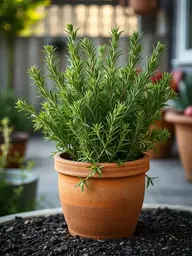
Growing Lemon Thyme at Home Growing Lemon Thyme at Home Have you ever considered how a single herb can transform your culinary experiences and beautify your
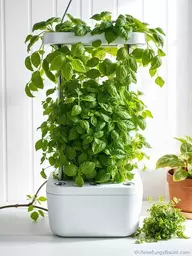
Understanding Hydroponic Tower Gardening Understanding Hydroponic Tower Gardening Have you ever considered how a simple structure could transform your gardening experience? Hydroponi
Heirloom Seeds for Your Garden Heirloom Seeds for Your Garden What if your garden could tell a story? Heirloom seeds not only flourish under the sun but also carr
Eco-Friendly Lawn Fertilizer Options Eco-Friendly Lawn Fertilizer Options When it comes to nourishing your lawn, the switch to organic fertilizers might be the most significa
Mulch for Healthy Plants Mulch for Healthy Plants Did you know that mulching not only enhances the beauty of your garden but also plays a pivotal role
Easy Perennials for Your Zone Easy Perennials for Your Zone Have you ever considered how the right plants can transform your garden into a lush paradise? Unders
Banner
All American Gardeners

Your premier online resource for mastering home gardening across the U.S. We empower American home gardeners with expert tips, step-by-step guides, and sustainable practices for thriving outdoor spaces.

Trusted by gardeners nationwide, our mission is to provide reliable, easy-to-follow insights backed by Clara M. Greene's extensive horticulture experience and practical advice.

Cultivate Your Garden
Recent Posts
Growing Lemon Thyme at Home Growing Lemon Thyme at Home

Have you ever considered how a single herb can tra

Understanding Hydroponic Tower Gardening Understanding Hydroponic Tower Gardening

Have you ever considered how a simple structure co

Heirloom Seeds for Your Garden Heirloom Seeds for Your Garden

What if your garden could tell a story? Heirloom s

Gardening Wisdom from All American Gardeners