Why Choose DIY Organic Seed Starting?
Cost Savings Environmental Impact Customization
Join Clara M. Greene's community for expert tips and seasonal guides tailored for American gardeners.
Posted on: 2026-04-07
By: Clara M. Greene
Starting your own seeds can transform your gardening experience into a rewarding journey! By embracing DIY organic seed starting, you’ll not only save money but also nurture a healthier ecosystem for your plants. Let’s delve into the core insights that will elevate your gardening game.
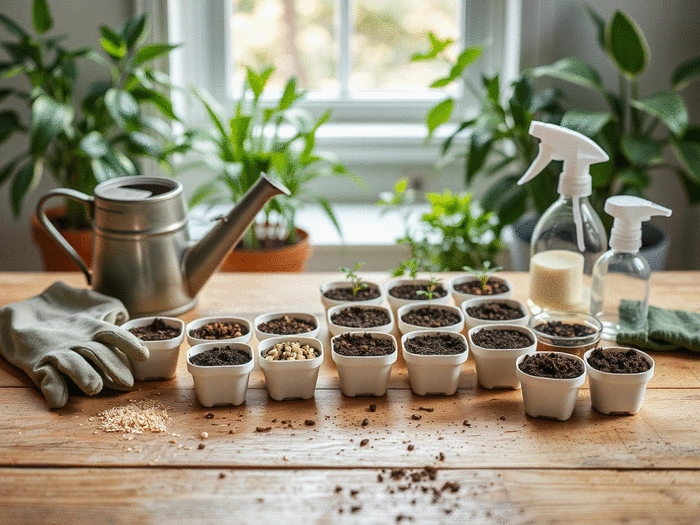
This visual represents the essential elements needed for a successful organic seed starting mix and the techniques involved in the process, ensuring a healthy foundation for your plants. For more general guidance on nurturing your plants, explore our plant care tips for home gardeners.
As a passionate gardener, I can't emphasize enough the joy of starting your own seeds! DIY organic seed starting not only fosters a deeper connection with your plants but also brings a host of benefits. By making your own organic seed starting mix, you can save money, reduce waste, and promote a healthier garden ecosystem. Let's explore why this approach is so rewarding!
Choosing to start seeds organically empowers you to take control of your gardening journey. You'll find that this process not only nurtures your plants but also your appreciation for nature!
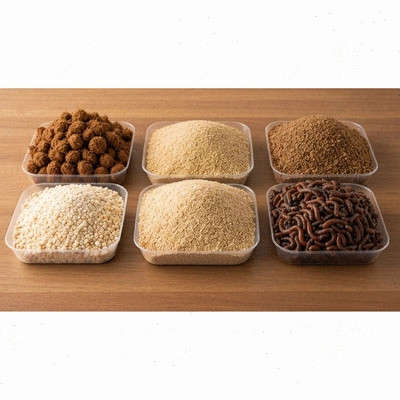
Creating an effective seed starting mix starts with understanding the essential ingredients. Here are some key components you should consider:
By incorporating these organic materials, you're setting your seeds up for success right from the start! For more insights on maintaining a healthy garden, check out our tips for healthy soil for thriving gardens.
Many gardeners, myself included, are moving toward peat-free options to minimize our ecological footprint. Peat extraction can damage delicate ecosystems, so using alternatives like coco coir or composted leaves is vital. These materials not only support healthy plant growth but also contribute to sustainable gardening practices.
Using organic seeds can significantly impact the health of your garden. Organic seeds are non-GMO and come from plants grown without harmful pesticides or synthetic fertilizers. This not only promotes biodiversity but also leads to healthier, more resilient plants. When you start with organic seeds, you can look forward to a garden that thrives naturally!
To create a successful DIY seed starting mix, follow these simple preparation steps:
Taking these steps will help create a mix that encourages healthy germination and strong seedling growth!
Before you use any soil or mix, it's essential to screen and sterilize your materials to avoid clumping and pathogens. Here’s how you can do it:
By taking these precautionary measures, you create a clean slate for your seedlings to thrive in!
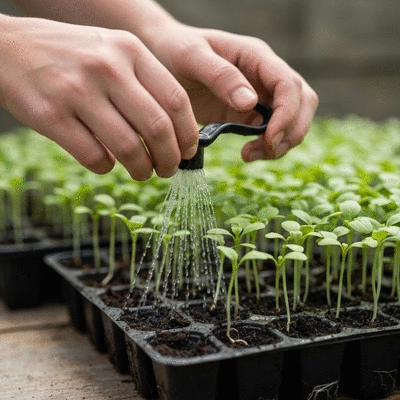
Watering seedlings can be tricky, but employing effective techniques can make all the difference. One method I highly recommend is bottom watering. This technique allows the soil to absorb moisture from the bottom, promoting root growth and preventing water from pooling on the surface. Give it a try to see how your seedlings respond!
Keeping your seeds at the right temperature is crucial for germination. Seedling heat mats are a fantastic tool to maintain ideal conditions. They provide gentle, consistent warmth, which can speed up the germination process for many types of seeds. If you want to give your seeds a head start, consider investing in one of these mats!
To enhance the growth of your seedlings, consider using a humidity dome over your seed trays. This simple addition helps retain moisture and warmth, creating an ideal environment for germination. Just remember to ventilate occasionally to prevent mold growth!
The main benefits include cost savings compared to buying pre-packaged mixes, reduced environmental impact by using organic materials, and the ability to customize your mix for specific plant needs.
Key organic materials often include coco coir for moisture retention and aeration, vermiculite for improved drainage and germination, perlite for enhanced aeration and compaction prevention, and worm castings for a nutrient boost.
Organic seeds are non-GMO and come from plants grown without harmful pesticides or synthetic fertilizers, promoting biodiversity and leading to healthier, more resilient plants.
Bottom watering is a technique where the soil absorbs moisture from the bottom up. It's recommended because it promotes stronger root growth and prevents water from pooling on the surface, which can lead to issues like damping-off.
You can prevent pathogens by screening your materials to break up clumps and sterilizing your soil mixture. Baking it at 180°F (approximately 82°C) for about 30 minutes can kill harmful bacteria and fungi.
As we wrap up this exploration into DIY organic seed starting, it's essential to reflect on the key components that will set you up for success. First, remember the importance of using the right materials, such as organic ingredients like coco coir and worm castings, which provide your seeds with a healthy start. Second, mastering effective techniques for nurturing your seedlings, including innovative watering methods and temperature management, will play a crucial role in their growth!
Don’t forget the troubleshooting strategies we discussed. Being able to identify and address common issues like clumping or damping-off will save you time and heartache as you embark on your gardening journey. Each of these elements is integral to cultivating a thriving garden from your own seeds!
These takeaways not only summarize our discussion but serve as a roadmap for your journey into organic gardening. Remember, as you dive into this practice, every seed you plant is an opportunity to learn and grow!
Now that you’re equipped with knowledge, I encourage you to connect with other gardening enthusiasts! Sharing your experiences, tips, and challenges will enrich your gardening journey. Have you faced any unique hurdles while starting seeds? Or perhaps you have a tried-and-true trick that has worked wonders for you? Let’s create a space for discussion, learning, and support among fellow gardeners!
At All American Gardeners, we love hearing from our readers—your stories inspire us and others in the community. So don’t hesitate to reach out, share your thoughts, or ask questions!
To keep your learning momentum going, I’ve gathered some fantastic resources for you! Here’s a selection of guides, videos, and community discussions that can deepen your understanding of organic gardening and seed starting:
These resources are tailored to help you navigate your gardening journey and gather insights from fellow gardeners. Dive in and discover more about the joys of growing your own plants!
As you take the next steps, consider exploring methods for successfully growing seedlings indoors. Utilizing grow lights can greatly enhance your seedlings' growth by providing them with the light they need during those early stages. Additionally, remember to monitor moisture levels and provide adequate airflow to prevent issues. Indoor gardening opens up a whole new world of possibilities for your seedlings! For more insights on selecting the right seeds for your garden, explore our guide on choosing the right gardening seeds.
Whether you’re working with limited outdoor space or just want to get a jump on the growing season, indoor techniques can help you achieve your gardening goals.
Now that you’re empowered with knowledge and resources, it’s time to put your plans into action! Gather your materials and embark on your DIY organic seed starting journey. There’s nothing quite like the joy of watching your seeds sprout, grow, and flourish into beautiful plants. So roll up your sleeves, get your hands dirty, and let’s celebrate the magic of gardening together!
Here is a quick recap of the important points discussed in the article: