Hydroponic Systems
- ✓
Water Usage: Uses less water, recirculating it
- ✓
Growth Rate: Plants grow faster due to nutrient availability
- ✓
Space Efficiency: Highly efficient, suitable for dense planting
Join Clara M. Greene's community for expert tips and seasonal guides tailored for American gardeners.
Posted on: 2026-05-10
By: Clara M. Greene
Are you ready to transform your tiny urban space into a lush green sanctuary? Vertical organic gardens are the perfect solution for maximizing limited areas while bringing the joys of gardening right to your doorstep. Discover how these innovative systems work and the numerous benefits they offer!
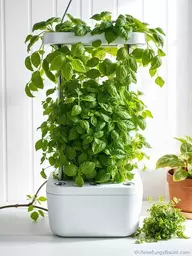
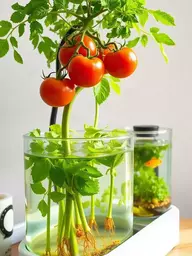
Understanding the differences between hydroponic and soil-based vertical gardens can help you choose the best system for your urban space.
Water Usage: Uses less water, recirculating it
Growth Rate: Plants grow faster due to nutrient availability
Space Efficiency: Highly efficient, suitable for dense planting
Water Usage: Requires regular watering and drainage
Growth Rate: Depends on soil quality and care
Space Efficiency: Requires more space for soil depth
Have you ever felt the pinch of limited space in your garden? Vertical organic gardens might just be the answer you’re looking for! These innovative structures allow you to grow plants upward rather than outward, making them ideal for urban environments where square footage is at a premium. Let’s explore how these gardens work and their incredible benefits!
Vertical organic gardens are systems designed to maximize growing space by allowing plants to grow in a vertical orientation. This can be achieved through various methods such as wall-mounted planters, stacked pots, or even hydroponic systems that suspend plants in nutrient-rich water. The beauty of these gardens lies not only in their space-saving design but also in their ability to create a lush, green aesthetic even in the smallest of areas.
These gardens work by utilizing a combination of gravity, aeration, and moisture control to ensure optimal plant health. Many vertical systems come equipped with drip irrigation or self-watering features, which reduce the effort needed for maintenance. As a passionate gardener, I can personally attest to the joy of tending to a vertical garden—it’s like having a mini oasis right at home! For those new to gardening, checking out some organic gardening tips for beginners can provide a great foundation.
Living in an urban setting doesn’t mean you have to sacrifice your love for gardening. In fact, vertical organic gardens offer numerous advantages:
By incorporating these gardens into your urban lifestyle, you’ll not only enjoy fresh produce but also contribute to a greener environment. How wonderful is that?
Imagine stepping outside to pluck fresh basil for your pasta or strawberries for dessert—this is the magic of edible landscaping. Vertical gardens can be a fantastic way to integrate food plants into your living space without needing extensive ground soil. Some popular choices include:
Integrating these edible plants not only provides delicious ingredients but also encourages sustainable practices. As a gardener, I love seeing my vertical garden transform into a mini farm that supplies my kitchen with fresh food! So, why not give it a try?
What type of vertical gardening system are you most interested in trying? Share your thoughts below:
Urban gardening presents unique challenges, but vertical organic gardens provide a smart solution for maximizing limited space. This innovative approach allows city dwellers to cultivate a lush garden without needing a sprawling yard. By utilizing vertical structures, you can transform walls, balconies, and small backyards into thriving green spaces!
In this section, let's explore various systems designed specifically for small areas. Each option comes with its own set of benefits, making it easier than ever to grow fresh produce right at home! To delve deeper into the advantages, consider exploring vertical garden benefits.
When it comes to vertical gardening, there are several systems tailored to fit your specific needs. Here are some popular options:
Each of these systems allows you to utilize your space efficiently, making it possible to enjoy gardening without sacrificing valuable urban real estate!
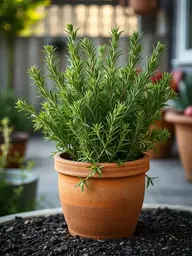
As you consider your vertical gardening options, it's essential to understand the differences between hydroponic systems and traditional soil-based methods. Here’s a quick comparison:
| Feature | Hydroponic Systems | Soil-Based Vertical Gardens |
|---|---|---|
| Water Usage | Uses less water, recirculating it through the system | Requires regular watering and drainage |
| Growth Rate | Plants grow faster due to nutrient availability | Growth rate depends on soil quality and care |
| Space Efficiency | Highly efficient, suitable for dense planting | Requires more space for soil depth |
Both methods have their advantages, but choosing the right system comes down to your personal preferences and gardening goals!
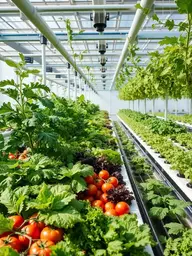
Imagine being able to grow over 50 plants in just a few square feet! Vertical gardens make this a reality. By stacking your plants and utilizing vertical space, you can cultivate a diverse garden right in your apartment or on a small balcony.
Consider these tips to maximize your plant potential:
With careful planning and a little creativity, you can create a productive vertical garden that adds beauty and fresh produce to your urban lifestyle!
Aeroponics is an exciting and cutting-edge approach to vertical gardening that uses mist to deliver nutrients directly to plant roots. This method can lead to faster growth and higher yields. Plus, it’s a great option for those with limited space, as it requires no soil and can be stacked vertically! For more insights into advanced vertical gardening, consider growing greens with aeroponic towers.
If you’re considering aeroponics, here are some advantages:
While it may require a bit of initial investment, the benefits of aeroponics can lead to a flourishing garden that thrives even in the urban jungle!
Here is a quick recap of the important points discussed in the article:
A1: Vertical organic gardens are systems designed to grow plants upwards rather than outwards, maximizing space in urban environments. They can utilize various structures like wall-mounted planters, stacked pots, or hydroponic systems.
A2: Key benefits include space efficiency for small areas like patios and balconies, improved air quality, enhanced aesthetic appeal, and easier accessibility for harvesting and maintenance.
A3: Yes, vertical gardens are excellent for edible landscaping. You can grow a variety of herbs (basil, mint), fruiting plants (strawberries, tomatoes), and leafy greens (lettuce, spinach).
A4: Hydroponic systems use less water, promote faster growth due to direct nutrient availability, and are highly space-efficient. Soil-based gardens require regular watering, their growth rate depends on soil quality, and they generally need more space for soil depth.
A5: Aeroponics is a cutting-edge vertical gardening method that delivers nutrients to plant roots via mist. Its advantages include minimal water usage, less risk of pests and diseases (as there's no soil), and the ability to grow a wide variety of plants in a compact space, leading to faster growth and higher yields.