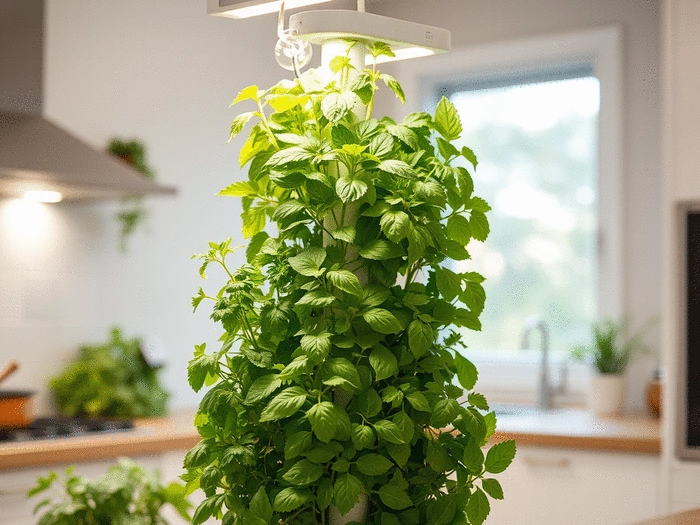
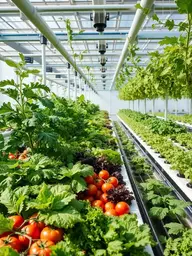
What if you could grow fresh produce in your home without needing soil? Aeroponic towers provide a revolutionary solution for urban gardeners looking to maximize limited space and resources. Here are the key takeaways you’ll gain from understanding this innovative gardening method:
What You Will Learn
Aeroponic systems utilize air and a nutrient-rich mist, significantly reducing water usage—up to 95% less than traditional gardening.
Ideal for urban gardening, aeroponic towers maximize vertical space, making them perfect for small apartments or balconies.
Key components of aeroponic towers include the growing chamber, reservoir, pump, and spray nozzles, each critical for plant health.
Aeroponics promotes faster growth rates and higher nutrient density compared to hydroponics, offering a more efficient way to cultivate plants.
Joining local gardening clubs or online forums can enhance your aeroponic gardening experience through shared knowledge and community support.
Popular plants for aeroponics include herbs, leafy greens, and strawberries, making it easy to cultivate fresh ingredients at home.
Aeroponics vs. Hydroponics & Key Benefits
Here's a side-by-side comparison of Aeroponics and Hydroponics, highlighting their differences and the significant advantages of aeroponics in modern gardening.
Aeroponics Advantages
•Uses up to 95% less water than traditional gardening.
•Faster growth rates due to increased oxygen to roots.
•Crop yields 4 to 6 times greater than traditional methods.
Hydroponics Comparison
•Uses nutrient-rich water solution as growth medium.
•Water usage is less conservative than aeroponics.
•Growth rates are generally slower than aeroponics.
Aeroponic Tower Components
•Growing Chamber: Where plants are suspended.
•Reservoir: Stores nutrient solution.
•Pump: Circulates mist to roots.
•Spray Nozzles: Deliver nutrient-rich mist.
Edible Plants for Aeroponics
•Herbs: Basil, Cilantro, Mint
•Microgreens: Nutrient-dense and fast-growing.
•Leafy Greens: Spinach, Lettuce, Kale
•Strawberries: Sweet treats in an aeroponic setting.
Understanding Aeroponic Towers: What They Are and How They Work
Aeroponic towers are an innovative gardening solution that allows plants to grow without soil, using a nutrient-rich mist instead. This method is especially beneficial for urban gardening, where space can be limited, and traditional gardening methods may not be feasible. With years of experience in gardening and a passion for sustainable practices, I believe that understanding aeroponic systems can empower home gardeners to take their green endeavors to new heights!
In essence, aeroponics creates a highly efficient growing environment. By providing plants with water, oxygen, and nutrients directly to the roots, aeroponic systems can significantly reduce water usage and promote faster growth. So, why should we embrace this method in our gardens? Let's dig into the details! For those new to gardening, checking out organic gardening tips for beginners can provide a great foundation.
Defining Aeroponic Systems and Their Importance in Urban Gardening
Aeroponic systems are designed to grow plants in air or mist, without the need for soil. This technology is particularly important in urban gardening, where real estate is at a premium and space is often limited. By utilizing vertical space and minimizing the footprint required for gardening, aeroponic towers can make gardening accessible even in the smallest of apartments!
Space Efficiency: Perfect for small areas like balconies or kitchen counters.
Reduced Water Usage: Save up to 95% more water than traditional gardening.
Pest and Disease Management: Less soil means fewer pests and diseases!
As more people turn to urban gardening, understanding aeroponic systems becomes crucial for anyone looking to cultivate their own fresh produce in limited spaces. It not only supports homegrown efforts, but it also contributes to the sustainability of our communities.
Key Components of an Aeroponic Tower
Building or purchasing an aeroponic tower involves understanding its key components. Each part plays a vital role in ensuring your plants receive everything they need. Here's a quick overview of the essential elements:
Growing Chamber: Where the plants sit and grow.
Reservoir: Holds the nutrient solution.
Pump: Circulates the mist to the roots.
Spray Nozzles: Deliver the nutrient-rich mist.
With these components working together, an aeroponic tower can create an ideal environment for plant growth. It's fascinating to see how technology and nature can blend harmoniously, allowing us to grow fresh herbs and vegetables right at home!
Comparing Aeroponics and Hydroponics: Differences and Benefits
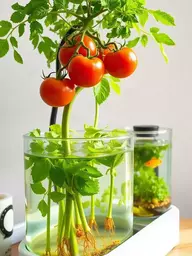
While both aeroponics and hydroponics use nutrient solutions to grow plants, they have distinct differences. Hydroponics typically involves growing plants in a nutrient-rich water solution, while aeroponics suspends plants in air and feeds them with a mist. Here’s a quick comparison to highlight their differences:
Water Usage: Aeroponics conserves water more effectively.
Growth Rate: Aeroponics often leads to faster growth rates due to higher oxygen availability.
Understanding these differences can help you decide which method best suits your gardening needs. As we delve deeper into the world of aeroponics, you'll discover just how beneficial this system can be for your home garden! To learn more about alternative growing methods, consider understanding hydroponic systems today.
We Want to Hear From You!
What are your thoughts on aeroponic gardening? Have you tried it, or are you considering starting your own aeroponic tower? Share your experiences or questions with us!
Join the Urban Gardening Movement with Aeroponic Towers
If you're looking to dive into the world of urban gardening, Aeroponic Towers might just be your perfect entry point! They offer a unique opportunity for growing fresh produce right in the heart of your home, even if space is limited. At All American Gardeners, we believe that anyone can cultivate a garden, and aeroponics is revolutionizing how we think about growing food in urban settings.
Getting started with aeroponics doesn’t have to be daunting. There are plenty of resources and community support systems to help guide you. Whether you’re a seasoned gardener or just beginning, connecting with local gardening groups or online forums can provide invaluable tips and encouragement along the way!
How to Get Started: Resources and Community Support
To kick off your aeroponic journey, consider the following resources and communities:
Online Courses: Websites like Udemy or Coursera offer courses focused on hydroponics and aeroponics.
Local Gardening Clubs: Joining a club can provide hands-on experience and mentorship opportunities.
Social Media Groups: Platforms such as Facebook and Instagram have groups where enthusiasts share tips and success stories.
All American Gardeners Blog: Keep an eye on our blog for regular updates, tips, and personal insights into efficient gardening practices.
Remember, engaging with a community can transform your gardening experience. Sharing your challenges and successes with fellow gardeners often leads to new ideas and solutions! For additional tips on maintaining healthy plants, be sure to check out our essential plant care checklist.
FAQs About Aeroponic Towers: Addressing Your Concerns
Are you still wondering about the ins and outs of aeroponic towers? Here are some frequently asked questions:
What is aeroponics? Aeroponics is a method of growing plants in an air or mist environment without the use of soil, where roots are suspended in the air and misted with nutrient-rich water.
How much water does aeroponics save compared to traditional gardening? Aeroponic systems can use up to 95% less water than traditional soil gardening methods.
What are the main components of an aeroponic tower? Key components include the growing chamber, reservoir, pump, and spray nozzles.
What types of plants grow well in aeroponic systems? Herbs (like basil, cilantro, mint), leafy greens (spinach, lettuce, kale), microgreens, and strawberries are particularly successful.
Is aeroponics better than hydroponics? Aeroponics often leads to faster growth rates and higher oxygen exposure to roots compared to hydroponics, making it more efficient in some aspects, though both are effective soil-less methods.
Is it expensive to set up an aeroponic system? Initial setup costs can vary depending on whether you choose a commercial system or a DIY approach, but many find the long-term benefits and yields outweigh the initial investment.
Understanding Crop Yield: What to Expect from Your Aeroponic Garden
One of the most exciting aspects of aeroponic gardening is the potential for impressive crop yields! With optimal conditions, many gardeners experience yields that are 4 to 6 times greater than traditional gardening methods.
Here’s a snapshot of what you can typically expect:
Faster Growth Rates: Many crops can be harvested in weeks rather than months.
Higher Nutrient Density: Plants grown in an aeroponic environment often have increased nutrient levels.
Year-Round Production: Controlled growing environments mean you can produce food regardless of the season.
As you experiment with your aeroponic tower, you’ll likely discover your favorite crops, and remember—every gardener's journey is unique!
Make Informed Decisions: Evaluating Your Options for Aeroponic Gardening
As you embark on your aeroponic gardening journey, it's crucial to evaluate your options carefully. With various systems available, understanding the differences can help you make informed decisions tailored to your needs.
At All American Gardeners, we advocate for thoughtful choices that align with your gardening aspirations and lifestyle. Let’s explore the key factors to consider.
Comparing Commercial and DIY Aeroponic Solutions
When weighing your options, you can either invest in a ready-made aeroponic tower or build your own. Here’s a quick comparison:
Commercial Towers: Often come with warranties, are easier to set up, and include built-in features like timers and pumps.
DIY Towers: Can be more cost-effective and customizable to fit your specific growing needs but may require more time and effort to assemble.
Choosing between these options really depends on your budget, available time, and willingness to tinker!
Encouraging Sustainable Practices with Aeroponics
Aeroponics is not just about efficiency; it's also a sustainable choice for gardening! By reducing water usage and eliminating the need for pesticides, you can engage in environmentally-friendly practices. Here are some sustainable aspects to keep in mind:
Minimal Water Waste: With careful nutrient management, your water usage will significantly decrease.
No Soil Erosion: Aeroponics doesn’t rely on soil, preventing the depletion and erosion of valuable land.
Indoor Gardening: Grow food right in your home, reducing the need for transportation and associated carbon emissions.
By choosing an aeroponic system, you're not only growing food but contributing to a healthier planet!
Exploring Edible Plants: Herbs, Microgreens, and More for Your Garden
Lastly, let’s talk about what you can grow in your aeroponic tower! Here’s a list of popular edible plants that thrive in aeroponic systems:
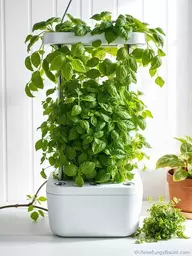
Herbs: Basil, cilantro, and mint are fantastic choices for flavoring dishes.
Microgreens: Fast-growing and packed with nutrients, microgreens are perfect for salads and garnishes.
Leafy Greens: Spinach, lettuce, and kale grow rapidly and can be harvested regularly.
Strawberries: These sweet treats can flourish in an aeroponic setting, bringing joy to your garden!
By exploring these options, you'll discover a vibrant array of flavors and visuals that can enhance your culinary adventures! If you're inspired to start your own herb garden, explore our guide on growing your own herb garden.
Recap of Key Points
Here is a quick recap of the important points discussed in the article:
Aeroponic towers provide an innovative, soil-free method for growing plants, making them ideal for urban gardening.
Key components of aeroponic systems include the growing chamber, reservoir, pump, and spray nozzles, all essential for plant growth.
Compared to hydroponics, aeroponics uses less water and promotes faster growth rates due to increased oxygen availability.
Engaging with local gardening communities and online resources can enhance your aeroponic gardening experience.
Popular plants for aeroponic systems include herbs, microgreens, leafy greens, and strawberries, allowing for diverse gardening options.
Sustainability is a significant benefit of aeroponics, as it reduces water usage and eliminates soil erosion.
Subscribe & Share
2026-08-28
Growing Herbs with Hydroponics
Why settle for store-bought herbs when you can grow your own at home, in any space? Hydroponic garde
2026-08-27
Growing Sweet Corn from Seeds
Ready to transform your gardening experience? Selecting the right sweet corn seeds can make all the
Growing Your Own Garlic Bulbs
As you prepare to embark on your journey of growing garlic, consider this: garlic cultivation isn't
All American Gardeners
Your premier online resource for mastering home gardening across the U.S. We empower American home gardeners with expert tips, step-by-step guides, and sustainable practices for thriving outdoor spaces.
Trusted by gardeners nationwide, our mission is to provide reliable, easy-to-follow insights backed by Clara M. Greene's extensive horticulture experience and practical advice.