Have you ever felt overwhelmed by the constant demands of gardening? The good news is that low-maintenance gardening offers a refreshing solution for busy individuals looking to enjoy the beauty of their gardens without a hefty time commitment.
What You Will Learn
Low-maintenance gardening saves time, allowing you to enjoy your outdoor space more.
Choosing drought-resistant and pest-resistant plants can significantly reduce upkeep.
It's essential to set realistic expectations; minimal effort is required, but some care is still needed.
Popular low-maintenance plant options include succulents, cacti, ornamental grasses, and daylilies.
Regular seasonal checks and light maintenance will keep your garden thriving and beautiful.
Low-Maintenance Garden Benefits & Traits
Low-maintenance gardening offers numerous advantages and is characterized by specific plant traits. Below is a comparison of the benefits for gardeners and the inherent qualities of these plants.
Benefits for Busy Gardeners
Time-saving
Cost-effective
Stress reduction
Environmental benefits
Traits of Low-Maintenance Plants
Drought tolerance
Pest resistance
Minimal pruning
Adaptability
Typical Gardener Expectations
Reduced Time Commitment
Seasonal Changes
Visual Appeal
Wildlife Benefits
Common Questions Answered
Which plants require least care?
How often to water these plants?
Do I still need to fertilize?
Understanding Low-Maintenance Gardening for Busy U.S. Gardeners
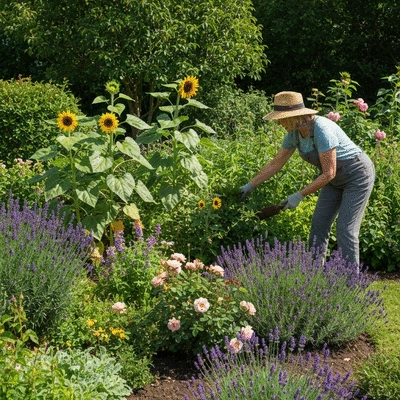
As a gardener, I understand that life can get pretty hectic! That's why low-maintenance gardening is a wonderful solution for those of us juggling a busy schedule. By selecting easy-care plants, we can enjoy the beauty of our gardens without dedicating countless hours to maintenance. This approach allows us to cultivate our green spaces while still having time for family, work, and other passions. To ensure you have the right tools for the job, consider checking out these essential tools for new gardeners.
Low-maintenance gardening isn't just about saving time; it's about making gardening accessible to everyone. When we choose plants that thrive with minimal effort, we not only simplify our gardening tasks but also create a more enjoyable experience. Sounds appealing, right?
Why Choose Low-Maintenance Plants?
Choosing low-maintenance plants offers several benefits, especially for busy gardeners. Here are some reasons to consider:
Time-saving: Spend less time on upkeep and more time enjoying your garden.
Cost-effective: Reduced need for frequent purchases of fertilizers and tools.
Stress reduction: Enjoy gardening without the pressure of constant care.
Environmental benefits: Many low-maintenance plants are drought-resistant and support local wildlife.
Ultimately, opting for low-maintenance plants lets us create beautiful gardens that require less hassle. Trust me; you’ll appreciate the extra time for relaxation while still nurturing a thriving outdoor space!
What Defines Low-Maintenance Plants?
Low-maintenance plants share several key characteristics that make them ideal for busy gardeners. Here are a few traits to look for:
Drought tolerance: These plants can withstand dry conditions, reducing the need for constant watering.
Pest resistance: Many low-maintenance varieties are naturally resilient to pests, minimizing the need for chemical treatments.
Minimal pruning: These plants often require little to no pruning, allowing you to enjoy their beauty without frequent trimming.
Adaptability: They thrive in a range of soil types and environmental conditions.
By selecting plants with these characteristics, you can significantly reduce your gardening workload while still enjoying a vibrant landscape. It's a win-win situation for any gardener! For further advice on caring for your green friends, explore these plant care tips for home gardeners.
Top Low-Maintenance Plants to Consider
Ready to get started? Here are some popular low-maintenance plants that are perfect for any U.S. garden:
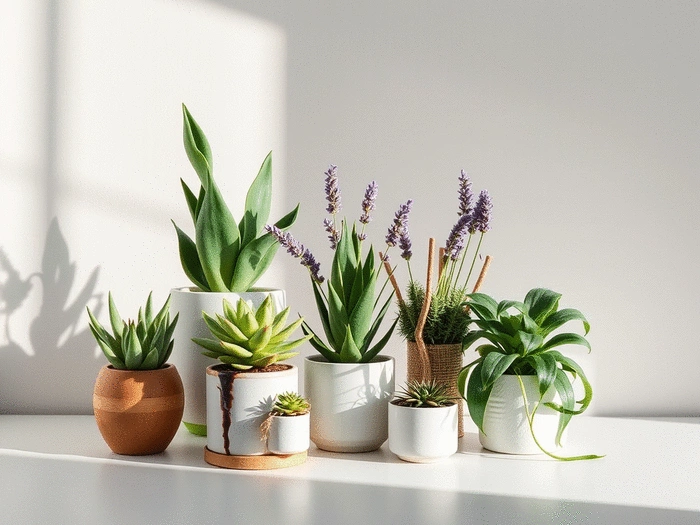
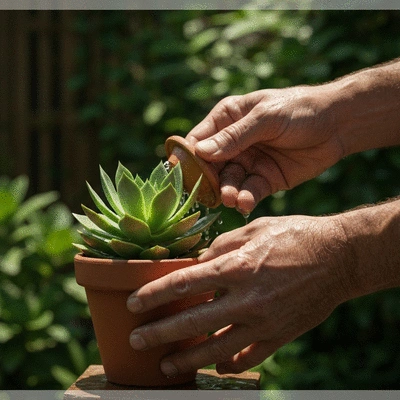
Succulents: These hardy plants store water in their leaves, making them ideal for sunny spots.
Cacti: Another drought-resistant choice, cacti add unique shapes and colors to your garden.
Ornamental grasses: Low-maintenance and visually appealing, they add texture and movement.
Daylilies: These perennial flowers thrive in various conditions and bloom beautifully with little effort.
Each of these options not only enhances your garden's aesthetic but also requires minimal attention. It’s all about choosing plants that fit your lifestyle while bringing beauty to your outdoor space!
Pro Tip
Did you know? Incorporating native plants into your low-maintenance garden not only reduces upkeep but also supports local biodiversity! Native species are typically well-adapted to your region's climate, requiring less water and fewer resources. Consider adding a few native varieties to your garden for a beautiful, sustainable landscape.
Maximizing Your Low-Maintenance Garden Experience
When diving into the world of low-maintenance gardening, it's essential to have realistic expectations. Your garden will thrive with minimal effort, yet it requires some initial planning and understanding of your plants' needs. Growth rates can vary; some plants will fill in quickly, while others might take their time settling in. With a little patience, you'll find that the beauty of your low-maintenance garden grows more rewarding with each season!
It's also important to remember that maintenance doesn't disappear entirely, but it's certainly reduced. Regular check-ins, watering, and the occasional pruning will keep your garden looking its best. With this balance, you can enjoy a flourishing, vibrant garden without endless hours of labor!
What to Expect from Your Low-Maintenance Garden
Reduced Time Commitment: Less frequent weeding and watering will free up your schedule.
Seasonal Changes: Watch for how your plants adapt to seasonal variations; some may thrive in summer, while others shine in fall.
Visual Appeal: A well-planned low-maintenance garden can still be a showstopper, offering vibrant colors and textures.
Wildlife Benefits: Your low-maintenance plants might attract beneficial pollinators and local fauna, adding life to your garden.
By understanding these expectations, you'll set yourself up for success. Remember, gardening should be a joy, not a chore, and low-maintenance practices can help ensure that you have more time to enjoy your outdoor space!
Common Questions from Busy Gardeners
I often receive questions from fellow gardeners who are eager to make the most of their low-maintenance plants. Here are a few that I hear frequently:
Which plants require the least care? Some great choices include succulents, ornamental grasses, and native perennials.
How often should I water these plants? Most low-maintenance plants prefer to dry out between waterings, so checking the soil moisture is key!
Do I still need to fertilize? Yes, but at a reduced frequency—once or twice a year is often sufficient.
These questions highlight the need for a solid understanding of low-maintenance gardening. When you know what to expect, you'll feel more confident in your choices and enjoy your garden to the fullest!
Seasonal Care Tips for Low-Maintenance Plants
Even low-maintenance plants have seasonal needs! Here are some tips to help you keep your garden thriving:
Spring: Start with a light pruning and fertilizing, and be sure to remove any winter debris.
Summer: Monitor soil moisture regularly and adjust watering based on heat; mulching can help retain moisture.
Fall: As plants prepare for dormancy, consider cutting back spent flowers and adding compost.
Winter: Protect sensitive plants with mulch and ensure they're adequately hydrated before the frost hits!
By following these seasonal care tips, you can ensure that your low-maintenance plants, like creeping thyme and lavender cotton, stay healthy and vibrant throughout the year. Your garden will reward you with its beauty, while you enjoy the gift of time. For more information on plant-specific care, understanding plant tag information can be invaluable.
Frequently Asked Questions About Low-Maintenance Gardening
Here are some common questions to help you further understand and embrace low-maintenance gardening:
Q: What does "low-maintenance gardening" truly mean? A: It means selecting plants and designing your garden in a way that minimizes the time and effort required for upkeep, allowing you to enjoy your outdoor space more without constant work.
Q: What are the main benefits of a low-maintenance garden for busy individuals? A: The primary benefits include saving time, reducing gardening costs, lowering stress, and often contributing to environmental well-being through drought-tolerant and native plant choices.
Q: What characteristics should I look for in low-maintenance plants? A: Look for plants that are drought-tolerant, pest-resistant, require minimal pruning, and are adaptable to your local climate and soil conditions.
Q: Can a low-maintenance garden still be visually appealing? A: Absolutely! With careful planning and selection of diverse, easy-care plants, a low-maintenance garden can be a vibrant showstopper with rich colors and textures.
Q: Do I still need to water and fertilize low-maintenance plants? A: Yes, but significantly less often than with high-maintenance varieties. Most prefer to dry out between waterings, and fertilizing once or twice a year is often sufficient.
Recap of Key Points
Here is a quick recap of the important points discussed in the article:
Time-saving: Low-maintenance gardening allows you to spend less time on upkeep and more time enjoying your garden.
Cost-effective: Choosing low-maintenance plants reduces the need for frequent purchases of fertilizers and gardening tools.
Drought tolerance: Many low-maintenance plants can withstand dry conditions, decreasing watering frequency.
Pest resistance: These plants are often resilient to pests, minimizing the need for chemical treatments.
Visual Appeal: A well-planned low-maintenance garden can still offer vibrant colors and textures.
Subscribe & Share
2026-08-28
Growing Herbs with Hydroponics
Why settle for store-bought herbs when you can grow your own at home, in any space? Hydroponic garde
2026-08-27
Growing Sweet Corn from Seeds
Ready to transform your gardening experience? Selecting the right sweet corn seeds can make all the
Growing Your Own Garlic Bulbs
As you prepare to embark on your journey of growing garlic, consider this: garlic cultivation isn't
All American Gardeners
Your premier online resource for mastering home gardening across the U.S. We empower American home gardeners with expert tips, step-by-step guides, and sustainable practices for thriving outdoor spaces.
Trusted by gardeners nationwide, our mission is to provide reliable, easy-to-follow insights backed by Clara M. Greene's extensive horticulture experience and practical advice.