Soil Testing Timeline
Spring
Before plantingFall
Plan for next seasonAnytime
Unusual plant behaviorJoin Clara M. Greene's community for expert tips and seasonal guides tailored for American gardeners.
Posted on: 2026-04-14
By: Clara M. Greene
Soil testing is a game-changer for any gardener aiming for a lush and healthy garden. As the backbone of your gardening success, understanding your soil’s needs can significantly enhance plant growth and productivity. Ready to dig into the key benefits of soil testing?
Understanding the best approach for soil testing is crucial for a thriving garden. This comparison outlines the benefits of DIY kits versus professional services, helping you choose the right method for your gardening needs. For more insights on maintaining a vibrant garden, explore our guide on healthy soil for thriving gardens.
Spring
Before plantingFall
Plan for next seasonAnytime
Unusual plant behaviorCost-effective solutions for regular checks.
Immediate feedback, great for quick adjustments.
Repeatable, allows for frequent monitoring.
In-depth analysis and comprehensive reports.
Tailored recommendations from experts.
Peace of mind, especially for complex issues.
As a passionate gardener, I can’t stress enough the significance of soil testing for the health of your garden. Just like we need to understand our own health through regular check-ups, our plants thrive best when we know the condition of the soil they grow in. By testing your soil, you uncover essential information about nutrient levels, pH balance, and overall soil structure, all of which are crucial for creating a flourishing garden!
Soil testing not only helps you identify what your garden needs but also guides your approach to fertilization and soil amendments. Without this crucial step, you might be guessing and hoping for the best, which can lead to disappointing results. Let’s dive deeper into why soil testing is essential for your gardening success.
Soil testing is the foundation of effective gardening. Here are a few reasons why you should make it a priority:
When you understand the specific needs of your garden soil, you can make informed decisions that lead to healthy, productive plants. It’s like having a roadmap guiding you through your gardening journey!
Timing plays a critical role in soil testing. Ideally, you should conduct a soil test:
By conducting soil tests at these strategic times, you ensure your garden has the best possible start each season. Remember, a little forethought goes a long way in achieving that vibrant garden you dream of! For more seasonal gardening advice, check out our USDA Zone Spring Planting Guide.
Now that we’ve established the importance of soil testing, let’s explore the various techniques available to get accurate results. Understanding the methods will help you choose the right approach for your needs.
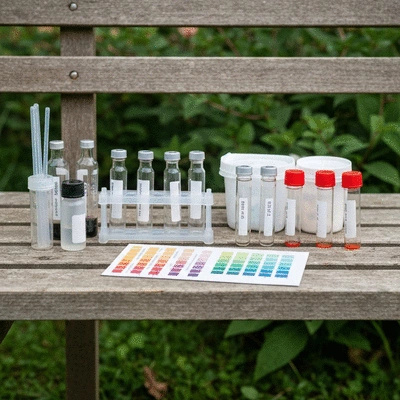
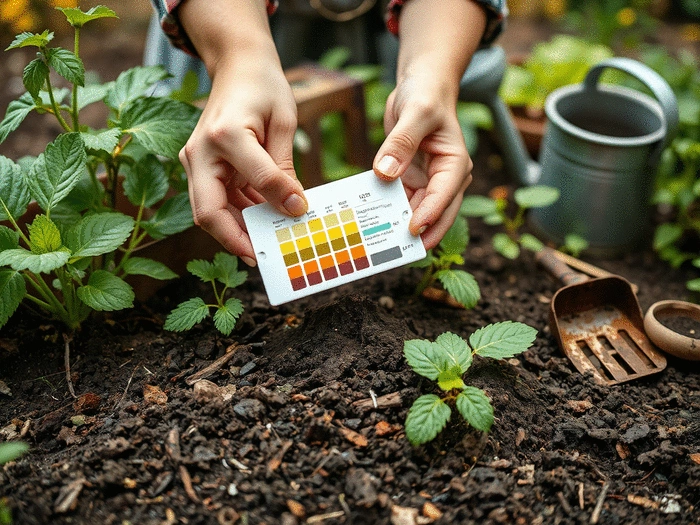
If you’re looking to get hands-on with your garden’s health, a DIY soil testing kit is a great option! Here’s what to consider when selecting one:
By opting for a DIY kit, you can gain valuable insights into your soil right at home. It's an engaging way to connect with your garden and become more invested in its health!
Sometimes, you might want to take the leap to professional soil testing services. Here's what you can typically expect:
Using a professional service can save time and give you peace of mind, especially for larger or more complex gardening spaces.
Whether you choose to go DIY or opt for professional testing, each method has its perks:
Deciding which method to pursue depends on your comfort level and the size of your garden. I often recommend starting with DIY testing to get familiar with your soil, then bringing in professionals for deeper insights when necessary!
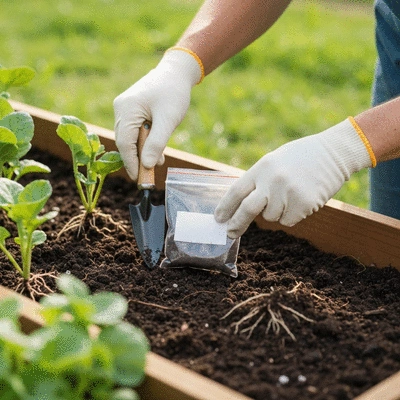
Collecting a good soil sample is crucial for accurate testing. Follow these best practices:
Taking the time to collect a proper sample will pay off by ensuring your test results are reliable and informative. Trust me; it’s worth the effort!
Have you conducted a soil test yet? If so, what was the most surprising result you found? Share your experiences and insights with us!
Soil testing is crucial because it provides essential information about nutrient levels, pH balance, and overall soil structure. This knowledge allows you to tailor your fertilization and amendment strategies, maximizing plant growth and preventing nutrient deficiencies.
The ideal times to conduct soil tests are before planting in the spring to prepare for new growth, and in the fall to assess nutrient levels and plan for the next growing season. You should also test if you notice unusual plant behavior.
DIY soil testing kits are cost-effective, offer immediate feedback, and are great for frequent monitoring. Professional services provide more in-depth analysis, comprehensive reports, and tailored recommendations from experts, which can be beneficial for complex issues or larger gardens.
When choosing a DIY kit, look for one that measures pH, nitrogen, phosphorus, and potassium (NPK) levels. Ensure it has clear instructions and simple procedures for ease of use, and consider the number of tests included for value.
To collect an accurate soil sample, use clean tools to avoid contamination, gather samples from multiple spots in your garden to get a representative mix, and remove any organic matter like leaves or grass from the sample to prevent skewed results.
As we wrap up our journey into soil testing, it's clear that understanding the health of your soil is essential for thriving gardens. Taking proactive steps to assess and amend your soil can transform your gardening experience. Just think of it as giving your plants the best foundation possible! Regular soil testing not only helps you identify nutrient deficiencies but also supports sustainable gardening practices that benefit the entire ecosystem.
With soil health monitoring, you equip yourself with the knowledge needed to make informed decisions. This routine ensures that your garden not only survives but flourishes season after season. By investing time in soil testing, you’re essentially setting your garden up for long-term success!
Creating a regular routine for soil health monitoring is easier than you might think! Here are a few steps to consider:
By following this routine, you’ll feel more in tune with your garden’s needs. Plus, it allows you to celebrate the successes and understand the challenges that come with nurturing your plants. I always encourage fellow gardeners to embrace this practice because it really makes a difference!
Are you ready to take the plunge into soil testing? At All American Gardeners, we believe that every gardener can benefit from understanding their soil. So let’s get started! Grab a soil testing kit or reach out to a local lab to have your soil professionally tested. Remember, every garden is unique, and the insights you gain will help you tailor your care for optimal results!
Take that first step today, and soon, you’ll be on your way to healthier plants and a more productive garden. Don’t wait—your journey to a thriving garden begins with a simple test!
As you continue to explore the world of soil health, I encourage you to utilize the many available resources. There’s always something new to learn, and staying informed is key to gardening success!
Local soil testing labs and extension services can be invaluable resources for gardeners. Here’s how to find and connect with them:
These connections can provide you with expert advice tailored to your region, ensuring that you get the best support possible!
Investing in the right tools can make soil management much easier. Here are some essential items to consider:
Having the right tools at your fingertips makes it easier to maintain healthy soil, which ultimately leads to thriving plants. For a comprehensive guide on essential gardening equipment, check out our post on essential tools for new gardeners.
Finally, don’t overlook the value of learning about soil diagnostics. Understanding how to assess soil quality can give you deeper insights into your garden's needs. Here are a few techniques to explore:
By diving into these techniques, you’ll further enhance your soil knowledge and ability to manage your garden effectively. Remember, gardening is a continuous learning journey, and each step brings you closer to achieving the garden of your dreams!
Here is a quick recap of the important points discussed in the article: