Optimal Temperature Range
Cool-season crops thrive between 45°F and 75°F, making them ideal for northern zones' spring and fall.
Join Clara M. Greene's community for expert tips and seasonal guides tailored for American gardeners.
Posted on: 2026-04-04
By: Clara M. Greene
As we dive into the world of gardening, have you ever considered how the choices you make can extend your growing season? By focusing on cool-season crops, you can maximize your harvests even in the chillier months. Let's explore the essential insights that will elevate your gardening game!
Unlock the potential of your garden in northern zones by focusing on these crucial elements for thriving cool-season crops. Understanding USDA hardiness zones is key to selecting the right plants that can withstand local climate conditions.
Cool-season crops thrive between 45°F and 75°F, making them ideal for northern zones' spring and fall.
As a passionate gardener, I can tell you that understanding cool-season crops is vital for gardeners in northern zones. These crops thrive in the cooler temperatures of spring and fall, allowing us to make the most of our short growing seasons. With the right knowledge, we can enjoy bountiful harvests even in the chillier months!
Cool-season crops grow best when the temperatures are between 45°F and 75°F. This is essential for us gardeners striving to maximize our harvests in areas that experience frost or unpredictable weather. By focusing on these crops, we can cultivate a vibrant garden that flourishes when warmer weather crops are still taking their time to mature.
So, what exactly are cool-season crops? These are plants that can grow and produce during the cooler months, making them perfect for northern gardeners. They typically include leafy greens, root vegetables, and some legumes. The beauty of these crops lies in their ability to withstand light frosts, which is crucial when our growing season is often limited. For more tips on maximizing your yield, consider exploring companion planting guides by zone.
These crops not only yield delicious produce but also enable us to extend our gardening season. By planting cool-season varieties, we can enjoy fresh, homegrown vegetables well into the fall, making our gardening efforts more rewarding!
Fast-maturing varieties are a game changer for gardeners in northern zones! With a growing season that can be as short as 90 days, it’s crucial to select crops that can reach maturity quickly. These varieties allow us to maximize our harvests before the first frost comes knocking.
By choosing these fast-maturing cool-season crops, we can enjoy multiple harvests in one season. This not only enhances our garden’s productivity but also brings a sense of accomplishment that fuels our passion for gardening!
Understanding frost dates is essential for planning our cool-season gardens. Frost can be detrimental to many crops, so knowing the last frost date in spring and the first frost date in fall helps us determine the best times to plant our seeds. In northern zones, we often have to work carefully around these dates.
By paying close attention to these important dates, we can make informed planting decisions that ensure our cool-season crops thrive. This proactive approach not only reduces the risk of frost damage but also enhances our overall gardening success!
To ensure optimal growth for your cool-season crops, consider using season extension techniques such as row covers and cold frames. These methods help to trap heat and protect your plants from unexpected frosts, allowing you to push the boundaries of your growing season even further!
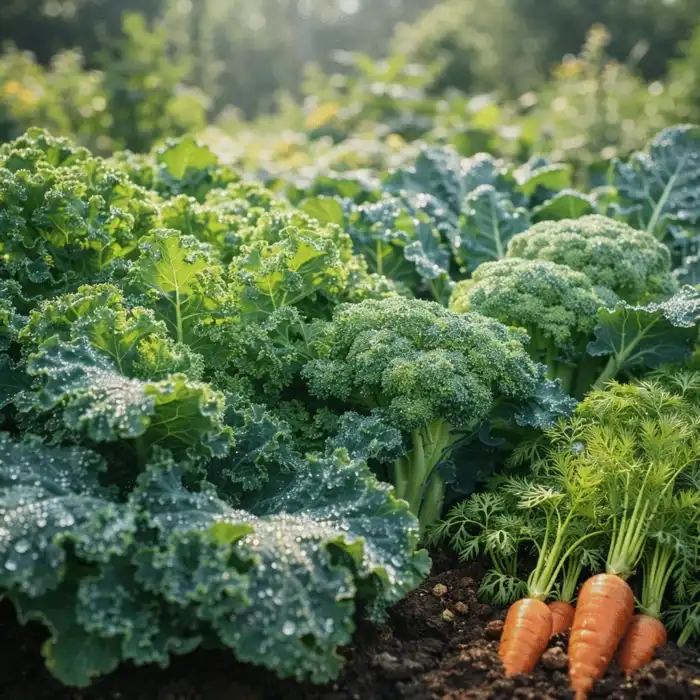
A: Cool-season crops are plants that thrive in cooler temperatures, typically between 45°F and 75°F, making them suitable for spring and fall planting in northern zones. Examples include kale, spinach, carrots, peas, and broccoli.
A: Northern gardeners often have short growing seasons. Fast-maturing varieties allow for quicker harvests, enabling multiple crop rotations before the first frost, thus maximizing garden productivity.
A: Knowing your local last frost date in spring and first frost date in fall is crucial for timely planting. This helps protect young plants from frost damage and ensures they have enough time to mature before extreme cold sets in.
A: Techniques like using row covers and cold frames can help trap heat and shield plants from unexpected frosts, effectively extending the growing season and protecting crops from adverse weather.
A: Yes, companion planting can significantly enhance the growth, health, and pest resistance of your cool-season crops by creating beneficial interactions between different plant species.
As we wrap up our exploration of cool-season crops in Northern gardens, it's clear that these hardy plants are essential for maximizing our short growing seasons. By understanding the unique climate challenges and selecting the right crops, we can create thriving gardens that yield delicious, nutritious produce well into the cooler months. Remember, each season brings its own rewards and opportunities to learn!
In summary, embracing cool-season crops means you’re not just working with the weather—you’re taking charge of your garden's potential. From kale's vibrant greens to the sweet crunch of carrots, these crops are not only tasty but also incredibly resilient. Use the insights shared in this article to enhance your gardening skills and grow a bountiful harvest.
Each of these points plays a crucial role in ensuring your cool-season garden not only survives but thrives. Like I always say, a little preparation goes a long way in achieving a flourishing garden!
Now that you have a wealth of information at your fingertips, why not take the plunge? Grab your gardening gloves and start sketching out your cool-season garden layout! Think about the crops that excite you the most and which varieties suit your local climate best. There's something deeply rewarding about watching your plants grow and knowing that you’re contributing to a sustainable lifestyle.
As the founder of All American Gardeners, I’m here to support you every step of the way. Utilize our resources and guides to help you cultivate your garden, and don’t hesitate to experiment with new ideas and techniques. Your journey towards becoming a successful gardener begins now—let’s make it a beautiful one!
To further aid your gardening journey, I recommend checking out resources specifically tailored for your hardiness zone. This ensures you get the best advice for your unique growing conditions. Here are a few fantastic places to start:
These resources will help you stay informed about the best practices and plant selections for your area, allowing you to refine your gardening strategies!
Finally, don’t underestimate the power of community! Engaging with local gardening groups and extension offices can provide you with valuable insights and support. You can:
Remember, gardening is not just about growing plants—it's about cultivating connections and sharing knowledge. Dive into your local gardening community and watch how it enriches your gardening experience! For those looking to get started, consider our guide on essential tools for new gardeners to ensure you have everything you need.
Here is a quick recap of the important points discussed in the article: