Strategy 1
Succession Planting
- ✓ Timing for staggered harvests
- ✓ Diversity for pest reduction
- ✓ Seasonality for year-round yield
Join Clara M. Greene's community for expert tips and seasonal guides tailored for American gardeners.
Posted on: 2026-04-12
By: Clara M. Greene
What if you could enjoy a continuous supply of fresh vegetables all year long? Succession planting is not just a gardening technique; it’s a game changer! This innovative approach allows you to maximize your harvest and keep your garden thriving throughout the seasons. Let’s uncover the essential insights from this article on succession planting and beyond.
Unlock your garden's full potential with these essential techniques for continuous yields and robust soil health.
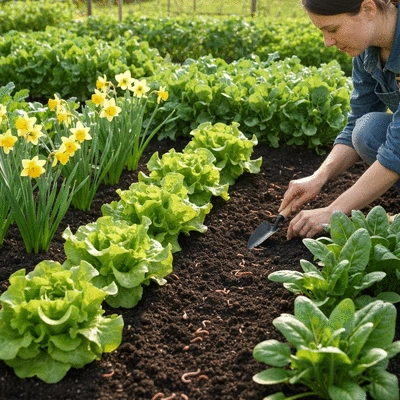
Have you ever heard of succession planting? It’s a fantastic technique that allows you to maximize your harvest throughout the growing season. Essentially, this method involves planting different crops sequentially rather than all at once. By doing this, you can ensure that your garden is productive from early spring right through to late fall. Let’s dive into how it works!
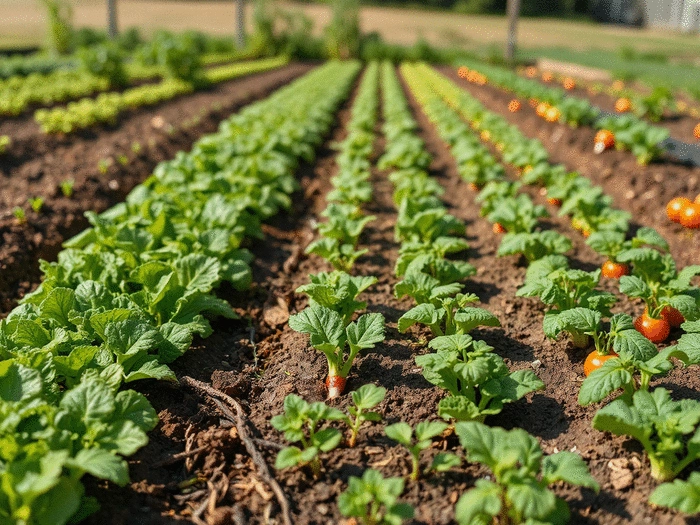
Succession planting is all about timing and planning. Instead of waiting for one crop to finish before planting another, you stagger your planting dates. This way, as one batch matures and is harvested, another is already well on its way. It’s a smart strategy for gardeners looking to keep their tables full with fresh produce! For more insights on planting, check out our guide on choosing the right vegetable seeds.
So, how exactly does succession planting function? It involves a few key principles:
By using these principles, you can create a dynamic garden that offers a continuous supply of vegetables. For instance, after you harvest your first round of radishes, you could immediately plant beans in the same space. This not only optimizes your garden space but also enhances the overall health of your soil.
Staggered planting boasts several benefits that make it a go-to strategy for many gardeners, including:
Imagine stepping into your garden and finding a variety of ripe vegetables ready for your meals! This method not only keeps your garden vibrant but also supports the diverse ecosystem within it. As an enthusiastic gardener, I can truly appreciate the joy that comes with having a steady flow of produce ready to enjoy!
Another important aspect to consider is the integration of crop rotation into your succession planting plan. This approach not only boosts productivity but also contributes significantly to soil health. By rotating your crops, you can:
Combining these two techniques makes for a powerhouse gardening strategy! It ensures your garden remains productive and resilient. If you're ready to take your gardening game to the next level, embrace both succession planting and crop rotation. Your future self will thank you for the bountiful harvests! You can learn more about maintaining healthy soil in our article on healthy soil for thriving gardens.
Succession planting is a gardening technique that involves staggering planting dates for different crops to ensure a continuous harvest throughout the growing season, rather than having all crops mature at once.
Key benefits include extended harvest periods, reduced risk of crop failure (as other crops may still thrive if one fails), and improved soil health due to continuous plant activity.
Integrating crop rotation helps maintain soil nutrients, minimizes pest buildup by varying plant types in a given area, and encourages biodiversity, making the garden more resilient and productive.
Season extension techniques, such as using cold frames and row covers, help create microclimates that allow plants to grow even when temperatures are not ideal, thereby increasing yields and extending the growing season into colder months.
Adapting involves monitoring local weather patterns, adjusting planting times based on temperature trends (e.g., starting seeds earlier), and introducing diverse crops that can tolerate varying conditions to build resilience.
Hydroponics is a method of growing plants without soil, using nutrient-rich water, ideal for indoor or limited spaces. Raised beds improve drainage and soil control. Both methods can reduce pest pressure and make year-round gardening more accessible and productive.
What has been your experience with succession planting? Have you tried any specific crops that worked well together? Share your thoughts below:
As home gardeners, we often crave the freshest produce possible. That’s where season extension techniques come into play! By maximizing your growing season, you not only increase your harvests but also enjoy a more diverse range of crops throughout the year. Let’s explore some effective methods to help you keep your garden thriving well into the colder months!
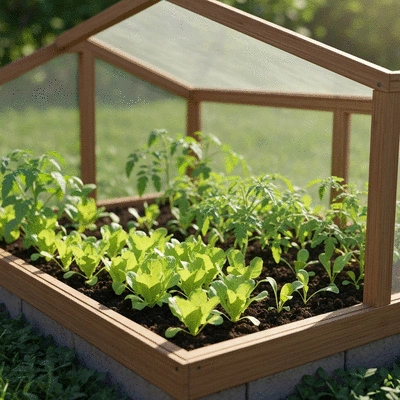
Utilizing simple structures like cold frames and row covers can make a world of difference. These tools create a cozy microclimate for your plants, allowing them to flourish even when temperatures dip. I’ve seen firsthand how a well-placed cold frame can turn a frosty garden into a productive oasis!
Cold frames and row covers are truly remarkable when it comes to extending the growing season. Cold frames, typically made from wood and glass, act like mini-greenhouses, capturing sunlight and retaining warmth. On the other hand, row covers are lightweight fabrics that protect plants from frost while still allowing sunlight and moisture to reach them.
When using these season extension tools, keep an eye on your local weather. If a sudden cold spell hits, you can simply cover your plants to keep them cozy! This flexibility allows you to adapt your gardening strategy in real time.
Climate change is a reality that affects all of us. As gardeners, we must adapt our schedules and planting strategies to ensure we still achieve those bountiful harvests! Keep in mind that your planting calendar may shift slightly as seasons become less predictable.
By remaining flexible and proactive, we can create resilient gardens that thrive despite shifting climates. Remember, every year is an opportunity to learn and improve!
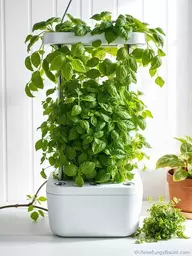
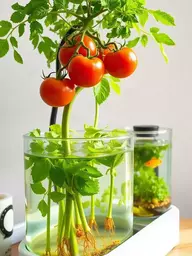
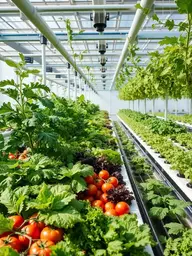
Have you ever considered hydroponics or raised beds as a way to garden year-round? These methods are fantastic for maximizing space and yields while giving you more control over your plants’ growing conditions. Hydroponics allows you to grow without soil, utilizing nutrient-rich water instead, while raised beds improve drainage and make gardening more accessible! If you're interested in learning more, check out our beginner's guide to starting hydroponics.
Each of these techniques has its unique benefits, and I encourage you to explore what works best for your gardening style. At All American Gardeners, we celebrate innovative methods that allow every gardener to maximize their harvest!
Here is a quick recap of the important points discussed in the article: