Heat-Tolerant Plants for Southern Summers
Posted on: 2026-04-10
By: Clara M. Greene
As you prepare to cultivate your garden under the intense southern sun, consider this: the right strategies can transform your outdoor space into a thriving oasis, even in extreme heat. What will you choose to grow?
What You Will Learn
- How extreme heat affects plant health, leading to dehydration, sunburn, and stunted growth.
- Common gardening issues faced in southern climates, including pests, drought, and rapid weed growth.
- Effective climate adaptation strategies such as selecting heat-tolerant plants and implementing mulching techniques.
- Practical next steps for assessing your garden and choosing the right plants for your specific conditions.
Gardening Challenges & Climate Adaptation in Southern Summers
This visual highlights the key impacts of heat on plant health, common gardening issues in southern climates, and effective climate adaptation strategies to ensure a thriving garden.
Impacts of Heat on Plant Health
- •Dehydration: Rapid water loss, wilting.
- •Sunburn: Scorched leaves, reduced photosynthesis.
- •Stunted Growth: Impaired development due to heat stress.
Common Southern Gardening Issues
- •Pests: Infestations thriving in warm climates.
- •Drought: Dry summers require consistent watering.
- •Weed Growth: Rapid competition for nutrients.
Climate Adaptation Strategies
- •Heat-Tolerant Plants: Select resilient varieties.
- •Implement Mulching: Conserve moisture, regulate soil temp.
- •Use Shade Structures: Protect vulnerable plants.
Recommended Heat-Tolerant Plants
- •Lantana: Resilient, colorful for sunny spots.
- •Succulents/Cacti: Low-maintenance, drought-resistant.
- •Lavender: Beautiful, attracts pollinators.
- •Perennials: Long-term solution, minimal upkeep.
Understanding the Challenges of Gardening in Hot Southern Summers
Gardening in the southern U.S. can be a rewarding experience, but it comes with its own set of unique challenges, especially during those sweltering summer months. Heat can significantly impact plant health, leading to stressed plants and disappointing yields. As a passionate gardener, I’ve experienced these challenges firsthand and am here to help you navigate them!
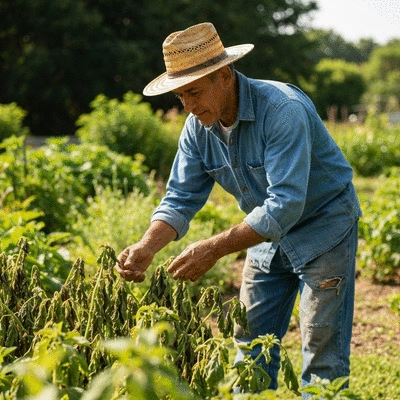
One of the first things to consider is how intense heat affects your garden. Plants can suffer from dehydration, sunburn, and even stunted growth if not properly cared for. Understanding these impacts is crucial for ensuring a thriving garden despite the heat. For a deeper dive into optimal plant care, explore our essential plant care checklist.
Impacts of Heat on Plant Health
Extreme temperatures can lead to several issues for your beloved plants. Here are some key impacts:
- Dehydration: Plants lose water rapidly through transpiration in high heat, leading to wilting.
- Sunburn: Leaves can scorch, causing permanent damage and reducing photosynthesis.
- Stunted Growth: Plants may not develop properly if they struggle to cope with heat stress.
As you can see, understanding these impacts helps in making informed choices about plant selection and care techniques to mitigate the heat's effects.
Common Gardening Issues in Southern Climates
In addition to heat stress, southern gardeners encounter a variety of challenges that can hinder growth. Here’s a list of common issues:
- Pests: Many insects thrive in warmer climates, leading to infestations.
- Drought: The southern summer can be dry, making consistent watering essential.
- Weed Growth: Warm weather encourages rapid weed growth, competing with your plants for nutrients.
Being aware of these challenges allows you to prepare proactive strategies, ensuring your garden remains healthy through the heat. You can also find valuable insights on managing pests naturally in our guide to natural pest control for gardens.
Climate Adaptation Strategies for Southern Gardens
To thrive in hot southern summers, it's essential to adopt effective climate adaptation strategies. Here are some ways to get started:
- Choose Heat-Tolerant Plants: Select varieties that can withstand high temperatures.
- Implement Mulching: A layer of mulch conserves moisture and regulates soil temperature.
- Use Shade Structures: Create shade for vulnerable plants during peak sun exposure.
By incorporating these strategies, you can protect your garden from the harsh southern heat and foster a more sustainable growing environment.
We Want to Hear From You!
What challenges have you faced while gardening in the Southern heat? Share your experiences and tips with us below:
Summarizing the Key Benefits of Heat-Tolerant Plants
As we wrap up our exploration of heat-tolerant plants, it's clear that these options not only survive but thrive in the intense summer heat of the South! Choosing the right plants can transform your garden into a vibrant and sustainable oasis. Here’s a quick recap of some recommended plants and their key advantages:
- Lantana: Resilient and colorful, perfect for sunny spots.
- Succulents and Cacti: Low-maintenance and drought-resistant, ideal for busy gardeners.
- Lavender: Not just beautiful; its fragrance attracts beneficial pollinators.
- Perennials: Offering long-term solutions with minimal upkeep.
- Pollinator-Friendly Plants: Essential for supporting local ecosystems and biodiversity.
These plants are more than just hardy; they are a celebration of resilience in gardening, showcasing the beauty and functionality that can coexist in our outdoor spaces. By selecting heat-tolerant plants, you’re setting your garden up for success even during the harshest summer months!
Frequently Asked Questions About Southern Gardening
- Q: What are the main impacts of extreme heat on plants?
- A: Extreme heat can lead to dehydration, causing wilting; sunburn, which scorches leaves and reduces photosynthesis; and stunted growth, impairing overall plant development.
- Q: What are common gardening challenges in southern climates besides heat?
- A: Besides heat stress, southern gardeners often face increased pest infestations due to warmer climates, droughts requiring consistent watering, and rapid weed growth that competes with cultivated plants for nutrients.
- Q: What strategies can help my garden adapt to hot southern summers?
- A: Effective strategies include choosing heat-tolerant plant varieties, applying mulch to conserve moisture and regulate soil temperature, and using shade structures to protect vulnerable plants during peak sun hours.
- Q: Which plants are recommended for heat tolerance in southern gardens?
- A: Recommended heat-tolerant plants include Lantana (for color and resilience), Succulents and Cacti (for low maintenance and drought resistance), Lavender (for beauty and pollinators), and Perennials (for long-term, minimal upkeep solutions).
- Q: How can I connect with other gardeners for support and knowledge?
- A: You can connect by joining local gardening clubs, attending workshops on heat-tolerant gardening, sharing your experiences on social media or forums, and utilizing online resources like All American Gardeners for tips and advice.
Taking Action for a Thriving Southern Garden
Next Steps for Plant Selection and Care
Now that you’re equipped with knowledge about heat-tolerant plants, it’s time to take action! Begin by assessing your garden space and determining which plants will thrive based on your specific conditions. Here’s a simple plan to help you:
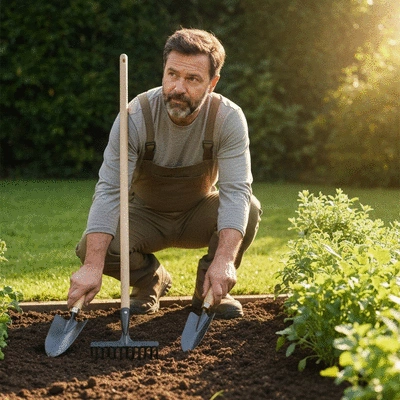
- Evaluate your sunlight: Determine how many hours of direct sunlight each area receives.
- Choose your plants: Select from the recommended heat-tolerant varieties that suit your garden.
- Prepare your soil: Amend your soil as needed to ensure a healthy environment for your new plants.
- Plant with care: Follow the specific planting instructions for each variety to give them the best start.
- Monitor and adjust: Keep an eye on your plants as they grow, adjusting your care routine as necessary.
Remember, gardening is a journey! Each step you take brings you closer to a thriving garden. As someone who has spent years nurturing my own garden, I can assure you that patience and observation are key components of success.
Encouraging Community Engagement and Gardening Resources
At All American Gardeners, we believe in the power of community and shared knowledge! Engaging with other gardeners can provide you with invaluable insights and support. Here are a few ways to get involved:
- Join local gardening clubs: Connect with like-minded individuals in your area.
- Attend workshops: Look for classes focused on heat-tolerant gardening techniques.
- Share your experiences: Don’t be shy—share your successes and challenges on social media or local forums.
- Access online resources: Use platforms like All American Gardeners for tips, tutorials, and tailored advice. For more detailed guidance on seasonal plantings, check out our USDA Zone Spring Planting Guide.
Gardening is not just about growing plants; it’s about building a community that thrives together. So let’s dig in, support one another, and cultivate beautiful gardens that flourish in our Southern heat!
Recap of Key Points
Here is a quick recap of the important points discussed in the article:
- Heat can impact plant health, causing dehydration, sunburn, and stunted growth.
- Common issues in southern gardening include pests, drought, and rapid weed growth.
- To combat heat stress, consider heat-tolerant plants, mulching for moisture retention, and using shade structures.
- Recommended heat-tolerant plants include Lantana, Succulents, Lavender, Perennials, and Pollinator-Friendly plants.
- Engage with local gardening communities for support, knowledge sharing, and resources.
 Why settle for store-bought herbs when you can grow your own at home, in any space? Hydroponic garde
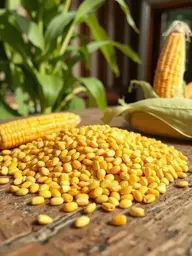 Ready to transform your gardening experience? Selecting the right sweet corn seeds can make all the
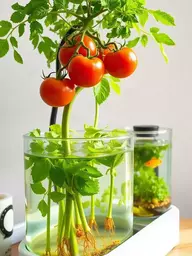 Imagine harvesting juicy, flavorful tomatoes while actively contributing to sustainable agriculture.
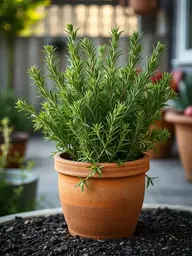 What if I told you that the secret to growing robust rosemary lies in the soil beneath your feet? Un
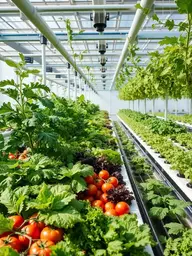 Have you ever wondered how innovative techniques in gardening can reshape our food production? Hydro
 As you prepare to embark on your journey of growing garlic, consider this: garlic cultivation isn't