Planting in Pacific Northwest Rain
Posted on: 2026-05-10
By: Clara M. Greene
As the rainy season unfolds in the Pacific Northwest, understanding its nuances can turn gardening challenges into abundant opportunities. How can you thrive in a climate that seems to dampen your spirit? Let’s explore key insights that will empower your gardening journey during this season!
What You Will Learn
- Soil moisture levels are crucial; while they help plants thrive, excessive moisture can lead to root rot.
- Implementing proper drainage solutions is vital to prevent waterlogged soil and pest infestations.
- Understanding local rainfall patterns allows for better timing in planting and transplanting to maximize growth.
- Connecting with local nurseries can provide essential advice and access to native plant varieties suited for the PNW climate.
- Engaging in community gardening groups enhances skills and fosters meaningful connections with fellow gardeners.
- Participating in workshops can sharpen your gardening skills, focusing on techniques like soil health and pest management.
PNW Rainy Season Gardening: Key Challenges & Support
Navigating the Pacific Northwest rainy season requires understanding its unique climate impacts and leveraging available resources. Below is a visual summary of the core challenges and how gardeners can find support for essential plant care.
Climate Impact & Challenges
Resources & Tools
- Books: Maritime NW Garden Guide
- Digital: ZIP-based planting planners
- Local: Nurseries (native species)
Skill Enhancement
- Troubleshooting: Seed depth, row covers
- Community: Local garden groups, forums
- Workshops: Organic gardening, pest mgmt.
Understanding the Pacific Northwest Rainy Season
Gardening during the Pacific Northwest's rainy season can feel like an exercise in patience and adaptability. The climate impact on our gardens is significant, as the steady rainfall influences everything from soil temperature to moisture levels. As a gardener here, I’ve learned how to navigate these changes effectively, ensuring that my plants stay healthy and vibrant even when the skies are gray!
It’s essential to understand that the rainy season brings not just abundant moisture, but also unique challenges. For instance, soil temperatures can fluctuate, impacting seed germination and plant growth. If we want a thriving garden, we have to pay close attention to how these climatic conditions interact with our gardening practices.
The Climate Impact on Gardening

During the rainy season, the soil remains consistently moist, which can be a double-edged sword. On one hand, it helps our plants thrive, but on the other, it can lead to issues with excessive moisture.
- Soil Temperature: Consistently moist soil can keep temperatures lower, affecting root development.
- Moisture Levels: While most plants benefit from moisture, too much can lead to root rot.
- Microbial Activity: The increased moisture fosters beneficial microbes but can also encourage harmful pathogens.
To mitigate these effects, I recommend using techniques like mulching and selecting the right plant varieties that thrive in wet conditions. Understanding these climate impacts is vital for achieving a successful garden during the rainy season!
Challenges During the Rainy Season
Every season has its hurdles, and the rainy season is no exception. One of the biggest challenges we face is excessive rain, which can overwhelm our garden beds, leading to poor drainage. This creates a perfect environment for pests like slugs and aphids to thrive, making natural pest control for gardens a top priority.
- Soil Drainage: Poor drainage can suffocate roots and lead to waterlogged soil.
- Pest Control: Slugs love moist conditions, and if left unchecked, they can wreak havoc on tender greens!
- Fungal Diseases: The humidity can also encourage fungal diseases, requiring vigilant management.
To address these issues, it's crucial to implement effective drainage solutions and pest management strategies to keep our gardens flourishing, despite the rain!
Understanding Rainfall Patterns in the PNW
The Pacific Northwest is known for its unique rainfall patterns, which significantly shape our gardening schedules. Knowing when to plant and when to expect the heaviest rains can make all the difference in ensuring that our gardens thrive through the season.
- Seasonal Rainfall: Understanding the timing of rain can help you plan when to sow seeds and transplant seedlings.
- Soil Health: Consistent moisture can improve soil health, but it's important to monitor for signs of over-saturation.
- Gardening Schedules: Adjusting your planting calendar to accommodate dry spells can lead to better yields.
By keeping a close eye on these rainfall patterns, we can create a planting schedule that maximizes our success, allowing us to enjoy flourishing gardens even in this wet and wonderful region!
We Want to Hear From You!
As we continue our journey through the rainy season, what strategies have you found most effective in maintaining your garden? Share your thoughts and experiences below:
Frequently Asked Questions (FAQs)
Resources and Tools for Pacific Northwest Gardeners
If you're like me, you know that having the right resources can make all the difference in gardening success, especially in the unique climate of the Pacific Northwest (PNW). With the right tools and guides at your fingertips, you'll feel more confident in planning and executing your gardening endeavors. Let’s dive into some essential resources that every PNW gardener should have!
Useful Books and Guides for PNW Gardening
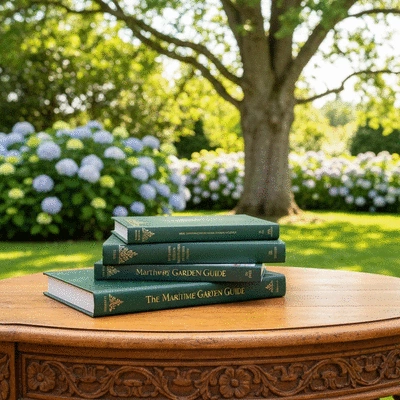
To help you navigate the intricacies of gardening in our beautiful region, I highly recommend several indispensable books and guides. One standout is the Maritime Northwest Garden Guide, which is packed with practical advice tailored specifically to our climate. Here are a few more that I find particularly helpful:
- The Vegetable Gardener's Bible by Edward C. Smith
- Sunset Western Garden Book – a great resource on plant selection
- Pacific Northwest Gardener's Book of Lists for easy reference to what works best
These books not only offer valuable insights but also inspire you to explore new gardening techniques and plant varieties suited for the PNW.
Interactive Tools for Personalized Planting Plans
In today’s digital age, there are fantastic tools available that can help you create personalized planting plans. One of my favorites is a ZIP-based planting planner, which allows you to input your local area code to receive customized advice based on your specific climate conditions. Here are some tools you might find useful:
- Garden.org for interactive planting calendars
- MyGarden.org which provides tailored gardening tips based on your location
- Local Harvest for finding seasonal produce and community events
These interactive resources can help you plan your garden and improve your overall gardening experience in the PNW!
Connecting with Local Nurseries for Plant Selection
One of the best ways to ensure you’re choosing the right plants for your garden is by connecting with local nurseries. These nurseries are not just stores; they are treasure troves of knowledge! They can help you select plants that thrive in our climate and often carry native species that are better adapted to the PNW environment. Here are some benefits of visiting your local nursery:
- Expert advice from knowledgeable staff
- Access to local plant varieties that are proven to succeed
- Opportunities to ask questions and learn about plant care
Plus, supporting local businesses like these strengthens our gardening community! I always encourage gardeners to build relationships with nursery staff—they can be invaluable allies in your gardening journey.
Strengthening Your Gardening Skills During PNW's Rainy Season
As we embrace the rainy season, it's crucial to continuously improve our gardening skills to adapt and overcome challenges. Whether you're a seasoned gardener or just starting, here are some tips to ensure your success during this wet period!
Common Troubleshooting Tips for Rainy Season Planting
Rainy weather can lead to some common issues, but don't worry! Here are some troubleshooting tips to help you navigate rain-delayed germination and other challenges:
- Ensure your seeds are planted at the correct depth to avoid rot.
- Use row covers to protect young plants from excess moisture.
- Monitor your soil moisture regularly to avoid overwatering.
These simple strategies can help you keep your garden thriving, even when the skies are gray!
Building a Community of Local Gardeners
Gardening can sometimes feel isolating, especially during the rainy season. That's why I encourage you to connect with local gardening groups! Joining these communities allows you to share experiences, learn from others, and gain valuable support. Consider:
- Attending local garden club meetings
- Participating in online forums and social media groups
- Joining community gardening projects for hands-on experience
Building these connections can not only enhance your gardening skills but also enrich your life with friendships and shared knowledge!
Participating in Gardening Workshops for Skill Enhancement
Another great way to improve your gardening skills is by participating in local workshops and classes. Many community centers and nurseries offer hands-on workshops focused on specific techniques, such as: organic gardening tips for beginners.
- Organic gardening practices
- Soil health and amendments
- Pest management strategies
These workshops are not just informative; they’re also a fantastic way to meet like-minded gardeners who share your passion for nurturing plants!
Summing Up Your Rainy Season Gardening Journey
As we wrap up this section on resources and skills, remember that successfully navigating the rainy season in the PNW is all about preparation and community. Armed with these resources and tips, you’ll be well on your way to a thriving garden, even in our unique climate!
Recap of Key Points
Here is a quick recap of the important points discussed in the article:
- Soil Management: Monitor soil temperature and moisture to prevent root rot and encourage healthy growth.
- Pest Control: Implement effective strategies to manage pests like slugs and aphids that thrive in wet conditions.
- Plant Selection: Choose varieties that are well-suited for the Pacific Northwest's rainy climate.
- Community Engagement: Connect with local gardeners and nurseries for support and expert advice.
- Educational Resources: Utilize books, guides, and interactive tools to enhance your gardening skills and knowledge.
 Why settle for store-bought herbs when you can grow your own at home, in any space? Hydroponic garde
 Ready to transform your gardening experience? Selecting the right sweet corn seeds can make all the
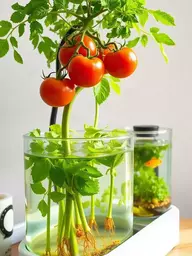 Imagine harvesting juicy, flavorful tomatoes while actively contributing to sustainable agriculture.
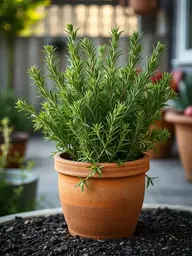 What if I told you that the secret to growing robust rosemary lies in the soil beneath your feet? Un
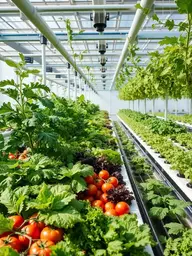 Have you ever wondered how innovative techniques in gardening can reshape our food production? Hydro
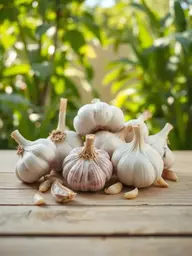 As you prepare to embark on your journey of growing garlic, consider this: garlic cultivation isn't