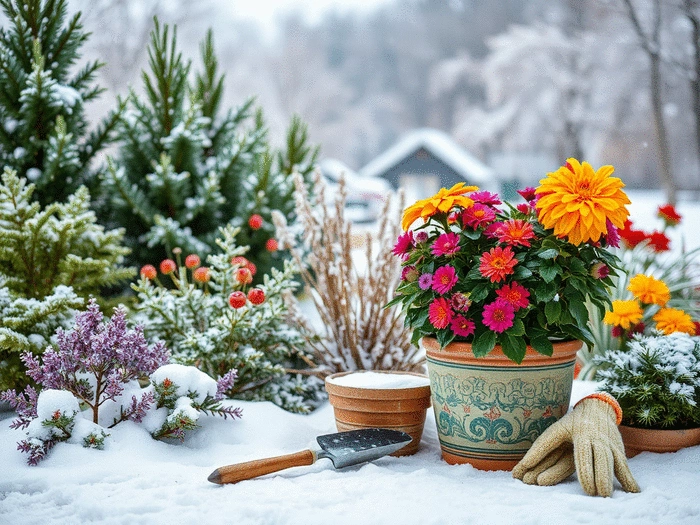
USDA Hardiness Zones Overview
USDA Hardiness Zones help gardeners select plants suited to their local climate, primarily based on the average annual minimum winter temperature.
Each zone represents a 10°F temperature increment.
Join Clara M. Greene's community for expert tips and seasonal guides tailored for American gardeners.
Posted on: 2026-03-08
By: Clara M. Greene
What if I told you that your garden's success hinges on understanding a simple concept? In the world of gardening, knowing your USDA Hardiness Zone can make the difference between a thriving garden and a barren plot. Let’s dive into the essentials that will empower your gardening endeavors!
Delve into the characteristics of USDA Hardiness Zones 3-5, including their temperature ranges and typical growing season lengths, to better plan your garden. This information is a cornerstone for successful gardening and directly influences your plant choices. For a comprehensive overview of how these zones are determined, check out our guide on USDA Hardiness Zones Explained.
USDA Hardiness Zones help gardeners select plants suited to their local climate, primarily based on the average annual minimum winter temperature.
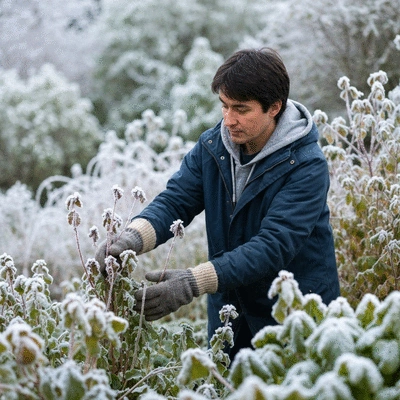
Frost typically occurs from late September to early October in these zones.
As a passionate gardener, I know that understanding your gardening zone is crucial for success—especially when dealing with the colder climates of Zones 3 to 5. These USDA Hardiness Zones indicate how well different plants will thrive in varying temperatures. With a bit of guidance, even the most frigid conditions can yield a vibrant garden!
So, what exactly are USDA Hardiness Zones? The USDA created these zones to help gardeners identify which plants are most likely to flourish in their specific climates. Each zone reflects the average annual minimum winter temperature, with Zone 3 experiencing the coldest temperatures, ranging from -40°F to -30°F, while Zone 5 stays milder, ranging from -20°F to -10°F. This information is key for selecting the right plants and planning your garden designs!
USDA Hardiness Zones are determined by climate data and provide a reliable guide for gardeners across the United States. Understanding your zone allows you to choose plants that are well-suited to your local environment. These zones are divided into 10°F increments, with each zone further divided into "a" and "b" sub-zones to provide even greater detail on temperature ranges.
By knowing your specific USDA Hardiness Zone, you can make informed decisions about what to plant and when to plant it—a vital step in nurturing a successful garden. At All American Gardeners, we are committed to helping you thrive in your gardening journey, no matter the climate! For more detailed plant care instructions based on your zone, explore our Plant Care Tips for Home Gardeners.
The growing seasons in Zones 3-5 can be quite challenging, but they also offer unique opportunities for resilient gardening! Generally, you can expect a shorter growing season in these colder zones, with frost typically occurring from late September to early October. However, with proper planning, you can still enjoy a variety of beautiful blooms and delicious harvests.
It’s important to consider local conditions such as elevation and microclimates, which may affect your growing season. Remember, every season presents its challenges, but with a little creativity and the right plant choices, your garden can flourish even in the coldest months!
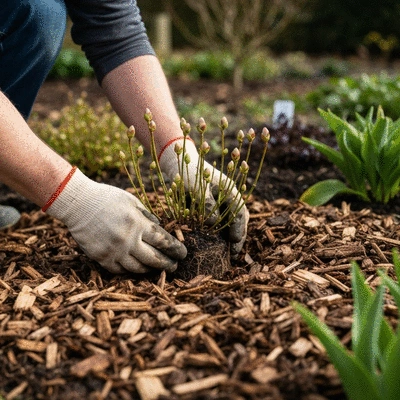
Did you know? Adding a layer of organic mulch not only retains soil moisture but also insulates plant roots during those freezing winter nights. This simple step can greatly enhance the survival rate of your cold-hardy plants!
As winter approaches, it’s essential to prepare your garden to withstand the cold. Remember, choosing cold-hardy plants and implementing effective protection strategies can make a world of difference. Let's recap the key plant options and protection techniques that I’ve discussed to ensure your garden thrives even in the chill of winter.
In addition to selecting the right plants, remember to incorporate winter protection techniques. Implementing proper mulching, understanding frost dates, and using physical barriers like row covers are all crucial steps. These methods will help shield your plants from harsh winter conditions, ensuring a healthy start come spring!
Now that we’ve covered essential strategies, it’s time to take action! Here are some simple steps I recommend for getting your garden winter-ready:
By following these steps, you can create a safe haven for your plants during the cold months. Remember, each action you take now will set the foundation for a thriving garden when the warmer weather returns!
For those looking for more in-depth guidance on winter gardening, All American Gardeners is here for you! We offer a treasure trove of resources and expert advice tailored to your unique gardening needs. You can explore our extensive guides and personalized tips on various topics related to cold climates and plant care.
To effectively prepare your garden for the winter, having the right tools can make all the difference! Here are a few essentials I recommend:
Investing in these tools will not only make winterization easier but also enrich your overall gardening experience. As a fellow gardening enthusiast, I can’t wait to see your garden flourish through every season! For a full list of must-have tools, check out our guide on Essential Tools for New Gardeners.
USDA Hardiness Zones are geographical areas defined by their average annual minimum winter temperatures. They help gardeners determine which plants are most likely to survive winter in their specific location.
Zone 3 ranges from -40°F to -30°F, Zone 4 from -30°F to -20°F, and Zone 5 from -20°F to -10°F.
These zones generally have shorter growing seasons, with frost often occurring from late September to early October. Zone 3 has the shortest season, while Zone 5 allows for a mix of perennials and annuals.
Key strategies include applying organic mulch to insulate roots, using row covers for sensitive plants, ensuring proper soil drainage, and selecting cold-hardy plant varieties.
Cold-hardy perennials like daylilies, peonies, and hostas, as well as resilient shrubs like elderberry and spirea, are good choices. Some winter vegetables like kale and carrots can also thrive.
Here is a quick recap of the important points discussed in the article: