Curious about how to transform your small space into a vibrant green oasis? Vertical gardening offers a creative solution that maximizes your gardening potential without sacrificing style. Here's what you'll discover in this article!
What You Will Learn
Vertical gardening utilizes walls, trellises, and specialized planters to maximize limited space for plant growth.
Benefits of vertical gardening include improved air circulation, enhanced aesthetics, and reduced pest issues.
Various vertical systems are available, including wall planters, trellises, and hanging gardens, each suited for different types of plants.
Selecting the right vertical gardening system involves considering automation, water efficiency, and sustainable materials.
Understanding the suitability of plants for vertical systems is crucial; herbs and dwarf vegetables thrive best in these setups.
Optimizing Your Vertical Garden: Key Decisions
Maximizing the success of your vertical garden involves careful consideration of automation, water efficiency, sustainability, and plant suitability. The visual below highlights these critical factors for thriving vertical systems. For more detailed insights into specific plant care, explore our plant care tips for home gardeners.
Feature Evaluation: Automation & Efficiency
✓ Timers & Sensors
✓ Water Recirculation
✓ Eco-friendly Materials
Plant Suitability: Optimal Growth
✓ Herbs (Basil, Mint)
✓ Leafy Greens (Lettuce)
✓ Fruit-bearing (Strawberries)
Herb Garden: Fast-Growing Varieties
✓ Chives (Continual Harvest)
✓ Cilantro (Quick Growth)
✓ Oregano (Low Maintenance)
Vegetable Garden: Dwarf & Compact
✓ Carrots (Dwarf Varieties)
✓ Baby Greens (Small Spaces)
✓ Mix & Match (Pest Control)
Understanding Vertical Gardening Systems: What You Need to Know
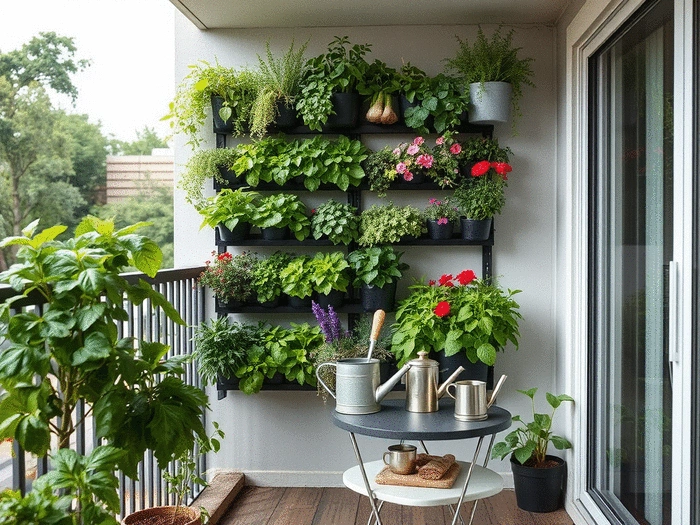
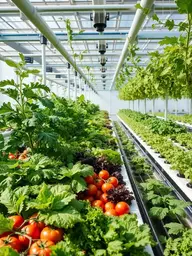
Vertical gardening systems are revolutionizing the way we think about growing plants, especially for home gardeners like us who may have limited space. Essentially, vertical gardening involves cultivating plants in a way that maximizes the use of vertical space—think walls, trellises, or specially designed planters. This method not only allows us to grow more in less area but also adds a unique aesthetic to our living spaces!
As someone who deeply loves gardening, I can tell you that vertical gardening is a fun and creative way to express your love for plants while addressing space constraints. Whether you're in a bustling city apartment or a cozy suburban home, there are options out there that can fit your unique gardening goals.
Defining Vertical Gardening Systems
Vertical gardening systems come in various forms, each designed to support plant growth while taking up minimal ground space. From wall-mounted planters to hanging pots, these systems can vary widely in design and function. Most importantly, they allow for efficient air circulation and sunlight exposure, which are crucial for healthy plant growth. To learn more about various vertical gardening approaches, check out our article on vertical garden planter ideas.
Wall Planters: These are attached directly to a wall and can be filled with soil or other growing mediums.
Trellises: These structures support climbing plants like beans or cucumbers.
Hanging Gardens: A series of pots suspended from a frame or ceiling, perfect for herbs and small flowers.
By understanding these definitions, you can better decide which type of vertical gardening system aligns with your gardening vision!
The Benefits of Vertical Gardening for Small Spaces
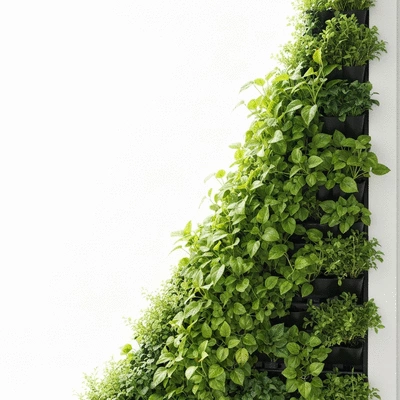
If you're working with limited outdoor or indoor space, vertical gardening is a game changer! It allows you to utilize areas that would otherwise be underused. Moreover, vertical gardens can create a stunning visual display, transforming bland walls into living art.
Maximizes available space, allowing for more plants in smaller areas.
Improves air circulation and sunlight exposure, leading to healthier plants.
Enhances the aesthetic appeal of your home or garden.
Can help to reduce pests by elevating plants off the ground.
It’s clear that incorporating vertical gardens into your living space not only enhances productivity but also beautifies your environment!
Environmental Benefits of Vertical Gardens and Urban Gardening
Vertical gardening doesn't just benefit individual gardeners; it also contributes positively to the environment! Urban areas often lack greenery, but vertical gardens can help bridge that gap. They not only provide food sources but also improve air quality and reduce urban heat.
Supports biodiversity by providing habitats for various insects and birds.
Helps in reducing urban heat by cooling the surrounding environment.
Filters air pollutants, creating cleaner urban air.
Promotes sustainable gardening practices by encouraging local food production.
As I reflect on my gardening journey, I see that every little contribution counts. Vertical gardening, especially in urban settings, can significantly impact our environment and bring us closer to nature!
We Want to Hear From You!
As you consider implementing a vertical gardening system, what factors are most important to you? Is it the aesthetic appeal, space utilization, or perhaps the environmental benefits? Share your thoughts below:
Frequently Asked Questions About Vertical Gardening
What is vertical gardening?
Vertical gardening is a method of growing plants in vertically suspended panels or structures, maximizing plant growth in limited horizontal space. It uses walls, trellises, and specialized planters.
What are the main benefits of vertical gardening?
Key benefits include maximizing limited space, improving air circulation, enhancing aesthetics, reducing pest issues, supporting biodiversity, cooling urban environments, and filtering air pollutants.
What types of vertical gardening systems are available?
Common systems include wall planters (attached directly to walls), trellises (for climbing plants), and hanging gardens (series of pots suspended from a frame or ceiling).
What factors should I consider when choosing a vertical gardening system?
Consider automation features (timers, sensors), water efficiency (recirculation systems), sustainable and durable materials, and suitability for the types of plants you wish to grow.
What plants are best suited for vertical gardens?
Herbs (basil, mint, chives, cilantro, oregano), leafy greens (lettuce, spinach), and dwarf varieties of fruit-bearing plants (strawberries, small peppers, dwarf carrots) are excellent choices for vertical setups.
Choosing the Right Vertical Gardening System for Your Needs
When it comes to selecting the right vertical gardening system, there are several key factors to consider. As someone who's spent countless hours tinkering with different setups, I can assure you that the right choice can make all the difference in your gardening success. Let's delve into some essential features that will help you make an informed decision!
Evaluating Key Features: Automation, Water Efficiency, and Sustainability
In today's fast-paced world, many gardeners appreciate systems that offer automation and water efficiency. Here are some features you should definitely evaluate:
Automation: Look for systems that include timers and sensors to monitor moisture and light. Automation can save you time and ensure your plants receive optimal care.
Water Efficiency: Choose systems that recirculate water. This not only conserves water but also promotes healthier plant growth.
Sustainability: Opt for materials that are eco-friendly and durable. Many systems use recycled materials or sustainable practices, which is a win for both your garden and the planet!
With the right features, you'll not only support your gardening goals but also contribute to a more sustainable lifestyle. Trust me, every little bit helps!
Understanding Plant Suitability for Different Vertical Systems
Not all plants thrive in every vertical gardening system. Understanding plant suitability is vital for ensuring your garden flourishes. For instance, some systems may be better for herbs, while others can accommodate larger vegetables. For more on choosing the right seeds for your garden, consider reading our guide on choosing the right gardening seeds.
Herbs: Basil, parsley, and mint are fantastic choices for vertical gardens due to their compact size and quick growth.
Leafy Greens: Lettuce and spinach do well in vertical systems that provide consistent moisture.
Fruit-bearing Plants: Consider strawberries or small peppers for a vertical setup, as their growth habits fit nicely within limited spaces.
By matching your plants with the right system, you’ll not only enjoy a more productive garden but also create an ecosystem that thrives!
Plant Selection for Vertical Herb Gardens and Vertical Vegetable Gardens
When setting up your vertical herb or vegetable garden, plant selection is crucial. Herbs and vegetables require different conditions and care, so here’s how to ensure you pick the best options:
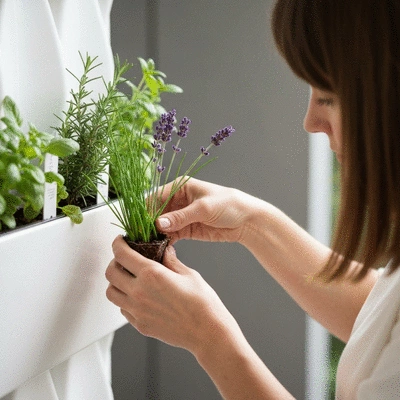
For Vertical Herb Gardens: Choose fast-growing varieties like chives, cilantro, and oregano—all of which can be harvested continually.
For Vertical Vegetable Gardens: Look at dwarf varieties of common vegetables like carrots and baby greens. These will fit well in smaller spaces and yield a bountiful harvest!
Mix and Match: Don’t hesitate to combine herbs and vegetables in your vertical garden! They can complement each other, enhance flavors, and even help with pest control, especially when following effective natural pest control tips.
With thoughtful plant selection, you can create a vertical garden that not only looks stunning but also provides a delicious bounty right at your fingertips!
Recap of Key Points
Vertical gardening maximizes space, allowing for more plants in limited areas.
Different vertical gardening systems include wall planters, trellises, and hanging gardens, catering to various plant types.
Benefits of vertical gardening include improved air circulation, enhanced aesthetics, and reduced pest issues.
Vertical gardens contribute to environmental health by promoting biodiversity and improving air quality.
Key features to consider when choosing a vertical gardening system include automation, water efficiency, and sustainability.
Plant selection is crucial; herbs, leafy greens, and dwarf vegetables thrive in vertical setups.
Subscribe & Share
2026-08-28
Growing Herbs with Hydroponics
Why settle for store-bought herbs when you can grow your own at home, in any space? Hydroponic garde
2026-08-27
Growing Sweet Corn from Seeds
Ready to transform your gardening experience? Selecting the right sweet corn seeds can make all the
Growing Your Own Garlic Bulbs
As you prepare to embark on your journey of growing garlic, consider this: garlic cultivation isn't
All American Gardeners
Your premier online resource for mastering home gardening across the U.S. We empower American home gardeners with expert tips, step-by-step guides, and sustainable practices for thriving outdoor spaces.
Trusted by gardeners nationwide, our mission is to provide reliable, easy-to-follow insights backed by Clara M. Greene's extensive horticulture experience and practical advice.