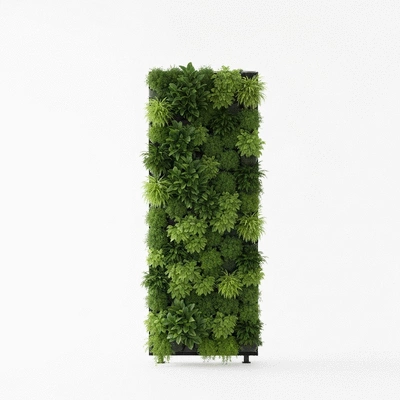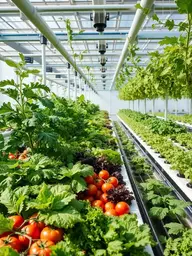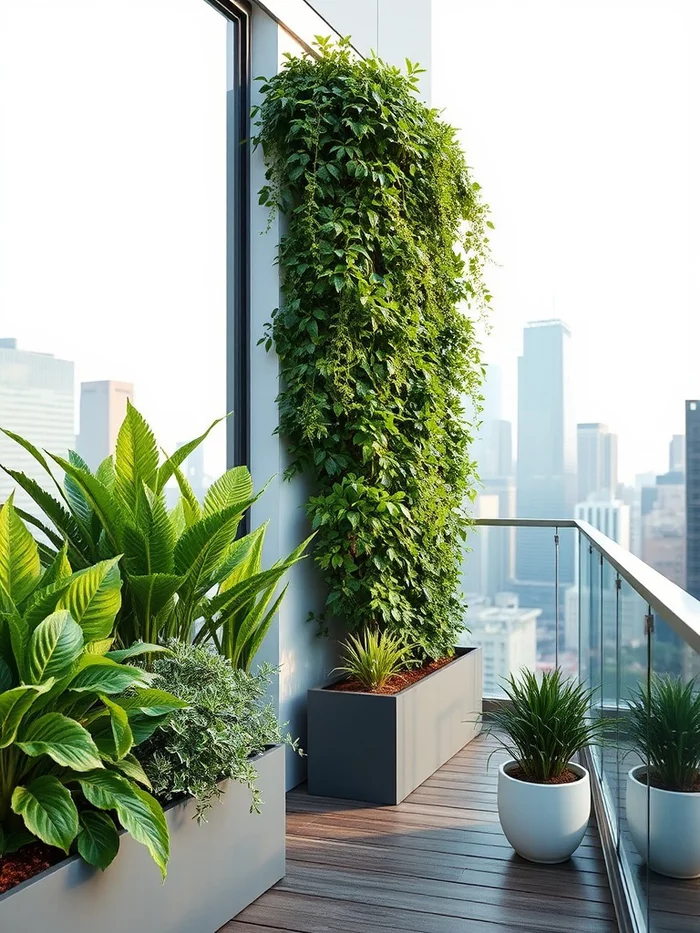
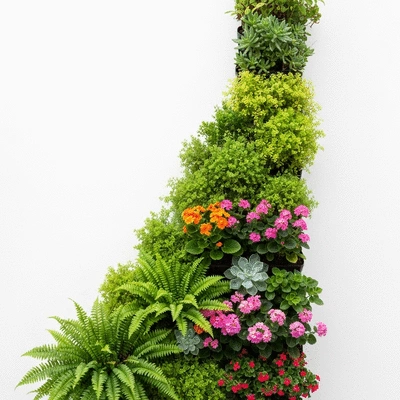
Space Efficiency & Aesthetics
- ✓Maximizes limited urban space
- ✓Enhances visual appeal of walls
- ✓Transforms blank surfaces into green art
Join Clara M. Greene's community for expert tips and seasonal guides tailored for American gardeners.
Posted on: 2026-06-25
By: Clara M. Greene
Have you ever gazed at a blank wall and thought it could bloom with life? Vertical landscapes transform that vision into reality, taking urban gardening to a new level. As urban spaces grow tighter, these innovative gardens don’t just save space; they redefine our relationship with nature.
Vertical landscapes offer significant advantages for modern design and sustainability. Here's a look at key benefits and their impact. For a deeper dive, explore the benefits of vertical gardens.
Vertical landscapes are a fascinating concept that takes gardening to new heights—literally! You might be wondering, what exactly is a vertical landscape? Simply put, it involves growing plants on vertical surfaces rather than in traditional horizontal gardens. This technique not only maximizes space but also adds a unique aesthetic appeal to any environment, making it a favorite among urban gardeners and designers alike.
In today’s world, where space is often limited, vertical landscapes have become essential. They offer a practical solution for city dwellers who want to bring a touch of nature into their homes. Creating vertical gardens can transform blank walls into living works of art, allowing you to enjoy the beauty of nature even in compact spaces.
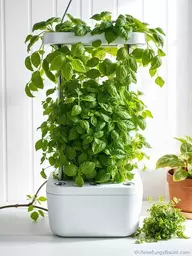
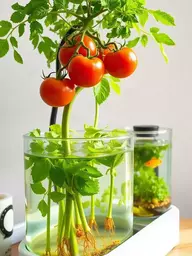
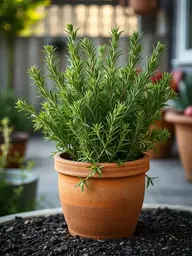
At its core, a vertical landscape is a method of planting that utilizes walls, trellises, and other vertical structures to grow your favorite plants. These gardens can be as simple or as elaborate as you like. They can be created indoors or outdoors and can feature a variety of plants, from flowers to herbs and even vegetables!
Whether you’re creating a vibrant green wall in your living room or an outdoor vertical garden on a patio, the possibilities are endless! As I often remind fellow gardeners, the journey of creating something beautiful can start with just a few pots and a little creativity. For more ideas on how to start, check out these vertical garden planter ideas.
Vertical landscapes are not just about aesthetics; they play a vital role in modern design and sustainability. As urban areas continue to grow, the need for green spaces becomes increasingly important. Vertical gardens provide a solution to this challenge by offering the benefits of greenery while occupying minimal space.
As I see it, embracing vertical landscaping is a step towards a more sustainable and healthier living environment. By incorporating these gardens into your home or community, you're not just beautifying your space; you're contributing to the larger goal of environmental stewardship.
Biophilic design is an approach that seeks to connect people with nature in our built environments. Vertical landscapes perfectly embody this concept, integrating natural elements into our daily lives. By incorporating plants into vertical spaces, we can experience the calming effects of nature, even in bustling city settings.
It’s fascinating to witness how vertical gardening can reshape our relationship with nature! As I often share at All American Gardeners, bringing plants into our living spaces can provide more than just beauty; it can offer a sanctuary from the chaos of everyday life. To learn more about specific types of vertical gardening systems, consider exploring different vertical gardening systems.
When starting your vertical garden, consider incorporating a drip irrigation system. This ensures that your plants receive consistent moisture without the hassle of manual watering, and it's particularly beneficial in maintaining the health of your plants during hot weather!
Vertical landscapes, or vertical gardens, offer a unique way to maximize space while enhancing the aesthetic appeal of any environment. Investing in a vertical garden can transform not just your home, but also contribute positively to your local community. With the right approach, these gardens can foster sustainability and biodiversity, bridging the gap between urban life and nature.
Here are some compelling benefits of vertical gardens that can inspire you to take the plunge:
These benefits not only make your space more enjoyable but also align with sustainable practices that are crucial in today’s world!
When considering a vertical garden, it’s essential to recognize its multifaceted advantages. Not only do they bring beauty, but they also serve practical purposes. For example, a vertical garden can provide fresh herbs and vegetables right outside your kitchen window! This easy access to home-grown food encourages healthier eating habits and reduces the carbon footprint associated with store-bought produce.
Additionally, vertical gardens can help manage stormwater runoff and lower building energy costs by providing insulation. With the right plants, they can also attract beneficial insects and pollinators, further enhancing local biodiversity.
Let’s take a look at some inspiring real-life examples of vertical gardens that have made a significant impact:
These examples highlight the versatility and effectiveness of vertical landscapes in both residential and commercial settings. Whether for beautification or sustainability, the potential is endless!
A: A vertical landscape, or vertical garden, is a method of growing plants on a vertically suspended panel or structure rather than horizontally on the ground. This technique maximizes space and adds aesthetic appeal to urban environments.
A: Vertical gardens offer numerous benefits, including space efficiency, improved air quality, reduced urban heat, enhanced biodiversity, aesthetic appeal, and positive effects on mental well-being through biophilic design.
A: Yes, vertical gardens are versatile and can be designed for both indoor and outdoor spaces, making them suitable for apartments, offices, patios, and large public buildings.
A: A wide variety of plants can thrive in vertical gardens, including herbs, vegetables (like lettuce, strawberries, or cucumbers), ornamental flowers, and various native species that require less maintenance. The choice depends on light conditions and desired aesthetic.
A: They contribute to sustainability by reducing energy consumption (through insulation), managing stormwater runoff, improving local air quality, and supporting urban biodiversity by providing habitats for insects and pollinators. They also promote local food production.
Are you ready to take your gardening to new heights? With a vertical garden, you can create a stunning and efficient green space that reflects your style and commitment to sustainability. Plus, you’ll be joining a growing movement of gardeners focused on innovative practices that benefit the environment and community alike.
Starting your own vertical garden may feel overwhelming, but it’s easier than you think! Here are some key steps to kick off your journey:
By following these tips, you’ll be well on your way to creating a thriving vertical landscape that not only beautifies your space but also supports sustainable gardening practices.
At All American Gardeners, we love to see the creativity and passion of our gardening community! Sharing your vertical gardening experiences can inspire others and build connections with fellow gardening enthusiasts. Have you tried your hand at vertical gardening? What challenges have you faced? Let’s discuss! For more comprehensive guidance, consider our organic gardening tips for beginners.
Whether through social media or community workshops, your insights can help others learn and grow, fostering a sense of community among like-minded gardeners. So, grab your tools and start your vertical gardening adventure today—together, we can cultivate a greener future!
Here is a quick recap of the important points discussed in the article: