Join Clara M. Greene's community for expert tips and seasonal guides tailored for American gardeners.
Exploring Vertical Raised Bed Gardening
Are you ready to transform your gardening experience? Vertical raised beds can change the way you cultivate your plants, making gardening easier and more efficient!
What You Will Learn
Vertical raised beds maximize growing space by utilizing vertical structures, ideal for small areas like patios and balconies.
They reduce back strain by bringing plants closer to eye level, making gardening more accessible.
Elevated gardening can enhance pest control and facilitate better monitoring of plant health.
Vertical gardening supports a broader variety of plants, from climbing vegetables to cascading flowers.
Careful assessment of your space and budget is crucial for successful vertical gardening setup.
Engaging with your gardening community can provide support, tips, and shared experiences for enhancing your gardening journey.
Participating in local workshops and clubs fosters a sense of community and encourages sustainable gardening practices.
Vertical Gardening: Key Differences and Benefits
Vertical gardening offers distinct advantages over traditional methods, optimizing space and improving plant health. Below is a comparison of key differences and benefits. For more insights into optimizing your garden, explore the benefits of raised garden beds.
Vertical Gardening vs. Traditional Gardening
Vertical Gardening
Utilizes vertical space (walls, frames)
Ideal for small yards, patios, balconies
Controlled soil conditions
Easier access for maintenance
Traditional Gardening
Requires horizontal space (ground plots)
Best for large backyards
Less control over soil structure
More bending and stooping
Advantages of Vertical Gardening
Space Efficiency: Grow more in smaller areas.
Reduced Strain: Easier on the back and joints.
Improved Drainage: Prevents root rot.
Enhanced Pest Control: Elevation deters pests.
Vertical Garden Setup Process Flow
Assess Space: Measure available vertical area.
Set Budget: Plan for materials and plants.
Choose Materials: Wood, mesh, or upcycled items.
Connect with Community: Seek support and tips.
Understanding Vertical Raised Beds and Their Benefits
As a passionate gardener, I’ve come to appreciate the beauty and functionality of vertical raised beds. These innovative gardening solutions allow us to maximize our growing space, especially in areas where traditional gardening might be challenging. But what exactly is a vertical raised bed? Let’s dig deeper!
What Is a Vertical Raised Bed?
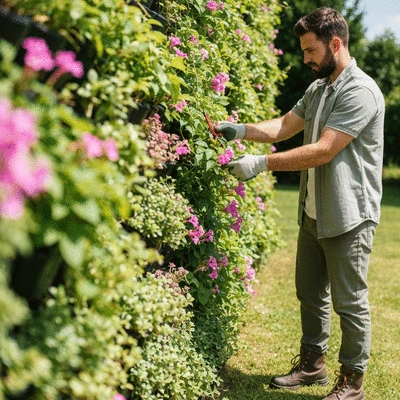
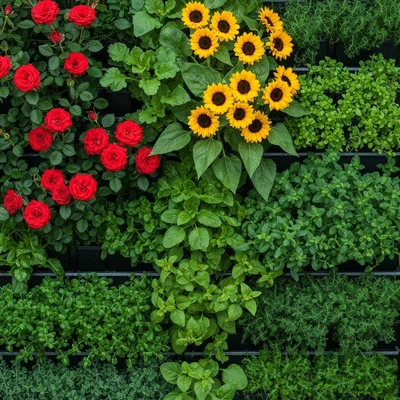
A vertical raised bed is a garden structure that allows you to grow plants upward instead of spreading out horizontally. Picture a frame filled with soil, positioned vertically, where plants are supported by trellises or stacked layers. This design not only conserves space but also provides better access to sunlight and air circulation, which are crucial for healthy plant growth.
Vertical raised beds are perfect for small yards, patios, or even balconies, making them ideal for urban gardeners. By utilizing vertical space, we can cultivate a wide range of vegetables, herbs, and flowers without needing a sprawling garden.
Advantages of Choosing Vertical Gardening Solutions
Space Efficiency: Ideal for small areas, allowing you to grow more plants.
Reduced Back Strain: Easier to tend to, as many designs bring the plants closer to eye level.
Enhanced Pest Control: Elevation can deter some pests and make it easier to monitor plant health.
These advantages make vertical gardening an attractive choice for anyone looking to elevate their gardening game. With vertical beds, you can enjoy a bountiful garden without needing a lot of space! You can also explore more vertical garden benefits to further enhance your gardening.
Vertical Gardening vs. Traditional Gardening: Key Differences
When comparing vertical gardening to traditional gardening, several key differences stand out. Traditional gardens typically require more horizontal space and involve digging into the ground. In contrast, vertical gardens allow us to utilize walls, fences, and even containers to grow upwards.
Plant Variety: Vertical gardens often support a broader range of plants, from climbing vegetables to cascading flowers.
Soil Management: Vertical beds allow for more controlled soil conditions, leading to healthier plants.
Access and Maintenance: Vertical arrangements can simplify access, making it easier to prune, harvest, and inspect your plants.
Understanding these differences can help you decide which method aligns best with your gardening goals. As I always say, it’s all about finding what works for you and your unique space!
Gardening Insight
Did you know that over 50% of urban gardeners are now opting for vertical gardening solutions? This trend reflects a growing awareness of space efficiency and eco-friendly practices in modern gardening.
Next Steps: Creating Your Vertical Garden Today
Are you excited about the idea of a vertical garden but unsure where to start? The first step is assessing your space and budget for a vertical raised bed. Take a good look at your available area—whether it’s a small patio, balcony, or even a sunny wall. Knowing your space will help you determine how much room you have for planting!
Once you have a clear idea of your space, it’s time to set a budget. Vertical gardening can be affordable, especially if you choose DIY options. Consider what materials you might need, such as wood, wire mesh, or even upcycled items. A well-planned budget helps you make the most of your gardening experience without breaking the bank!
Assessing Your Space and Budget for a Vertical Raised Bed
Measure your available vertical space—how tall can your garden go?
Decide how wide and deep your raised bed should be.
Identify potential costs for materials and plants.
Consider any tools you might need for construction.
Taking these steps to assess your space and budget will set you on the right path to creating a thriving vertical garden! Now, let’s connect with our gardening community for additional support.
Connecting with Your Gardening Community for Support
One of the best parts of gardening is sharing the journey with others. Connecting with your gardening community can provide invaluable insights and encouragement. Local gardening clubs, online forums, and social media groups are great resources where you can ask questions and exchange tips.
Don't hesitate to reach out! Engaging with fellow gardeners not only enhances your knowledge but also strengthens your commitment to gardening. Plus, you might make new friends who share your passion for plants!
Finding Gardening Workshops and Clubs Near You
Check local community centers for gardening workshops.
Visit farmer’s markets where many local gardeners gather.
Search online for gardening forums specific to your area.
Ask at local nurseries for recommendations on clubs.
Participating in workshops and clubs fosters a sense of community and can lead to lifelong friendships. I always find that sharing experiences with others helps me grow not just my garden but also as a gardener! For more tips on engaging with fellow gardeners, check out our guide on organic gardening tips for beginners.
FAQ: Vertical Raised Beds
Q: What are the main benefits of vertical raised beds?
A: Vertical raised beds offer several key benefits, including maximizing growing space, reducing back strain, improving drainage to prevent root rot, and enhancing pest control by elevating plants.
Q: How do vertical gardens differ from traditional gardens?
A: Vertical gardens utilize vertical space (walls, frames) and are ideal for small areas like patios and balconies, offering controlled soil conditions and easier access. Traditional gardens require horizontal ground plots, are best for larger backyards, and involve more bending and stooping.
Q: What types of plants can I grow in a vertical garden?
A: Vertical gardens support a broad range of plants, including climbing vegetables (like tomatoes and cucumbers), various herbs (basil, mint, thyme), and cascading flowers (petunias, nasturtiums). The key is choosing plants that thrive in confined spaces and benefit from vertical growth.
Q: What are the initial steps to setting up a vertical garden?
A: The first steps involve assessing your available vertical space, setting a realistic budget for materials and plants, choosing suitable materials (wood, wire mesh, upcycled items), and connecting with a gardening community for support and tips.
Q: How can I connect with my gardening community for support?
A: You can connect with your gardening community by checking local community centers for workshops, visiting farmer's markets, searching online for local gardening forums, and asking local nurseries for recommendations on clubs. Sharing experiences with others is a great way to gain insights and motivation.
Summary of Benefits and Considerations for Vertical Raised Beds
As we wrap up, let’s take a moment to weigh the pros and cons of vertical gardening. Vertical raised beds can save space, improve accessibility, and allow for a beautiful display of your favorite plants. However, you should also consider the time and effort required to maintain them. Careful planning is essential for success!
Weighing the Pros and Cons Before You Start
Pros: Space-saving, easy to manage, visually appealing.
Ultimately, understanding these factors will help you make informed choices as you embark on your vertical gardening adventure.
Encouragement to Begin Your Gardening Journey
Now that you have a clearer picture of what it takes to create a vertical garden, I encourage you to take the plunge! There’s something incredibly rewarding about watching your plants grow and flourish. Remember, every gardener starts somewhere, and each step you take is progress.
Exploring Sustainable Gardening Practices
As you begin, consider incorporating sustainable gardening practices, such as using organic soil amendments and conserving water. Not only will this benefit your plants, but it will also contribute positively to the environment. At All American Gardeners, we believe that every little effort counts toward a greener future! You can also find more resources on exploring vertical gardening systems to help you get started.
So grab those tools, connect with your community, and let’s get gardening! Your vertical oasis awaits!
Recap of Key Points
Here is a quick recap of the important points discussed in the article:
Vertical raised beds maximize growing space and improve access to sunlight and air circulation.
Advantages include space efficiency, reduced back strain, improved drainage, and enhanced pest control.
Vertical gardening allows for a broader variety of plants and simplifies maintenance.
Assess your available space and budget before creating your vertical garden.
Engage with your gardening community for support, resources, and shared experiences.
Consider sustainable gardening practices to benefit both your plants and the environment.
Subscribe & Share
2026-08-28
Growing Herbs with Hydroponics
Why settle for store-bought herbs when you can grow your own at home, in any space? Hydroponic garde
2026-08-27
Growing Sweet Corn from Seeds
Ready to transform your gardening experience? Selecting the right sweet corn seeds can make all the
Growing Your Own Garlic Bulbs
As you prepare to embark on your journey of growing garlic, consider this: garlic cultivation isn't
All American Gardeners
Your premier online resource for mastering home gardening across the U.S. We empower American home gardeners with expert tips, step-by-step guides, and sustainable practices for thriving outdoor spaces.
Trusted by gardeners nationwide, our mission is to provide reliable, easy-to-follow insights backed by Clara M. Greene's extensive horticulture experience and practical advice.