Cultivate Your Best Garden!

Join Clara M. Greene's community for expert tips and seasonal guides tailored for American gardeners.

Vertical Gardens for Compact Spaces


Vertical Gardens for Compact Spaces

Posted on: 2026-08-10
By: Clara M. Greene


Have you ever thought about how you could transform a simple wall into a vibrant garden oasis? Vertical gardening is the answer! This innovative approach not only maximizes your space but also enhances the beauty of your surroundings. Let’s explore the essential insights you can gain from this exciting gardening method.

What You Will Learn

  • Vertical gardening optimizes limited outdoor space by utilizing vertical surfaces for planting.
  • A well-designed vertical garden enhances the aesthetics of your home, turning dull walls into vibrant green spaces.
  • When setting up a vertical garden, consider sunlight requirements, weight capacity, and access to water for optimal growth.
  • DIY options like pallet gardens and gutter planters offer budget-friendly solutions to create beautiful vertical gardens.
  • Modular gardening systems provide flexibility and customization to suit your unique gardening style and preferences.
  • Evaluating space, budget, and plant preferences is crucial for selecting the right vertical garden system for your needs.

Mastering Vertical Gardening: Systems & Considerations

Unlock the potential of small spaces with vertical gardening! This guide outlines key considerations and popular systems to help you create a thriving green oasis, regardless of your available area. For more ideas on how to make the most of your garden space, check out our article on exploring vertical garden benefits.

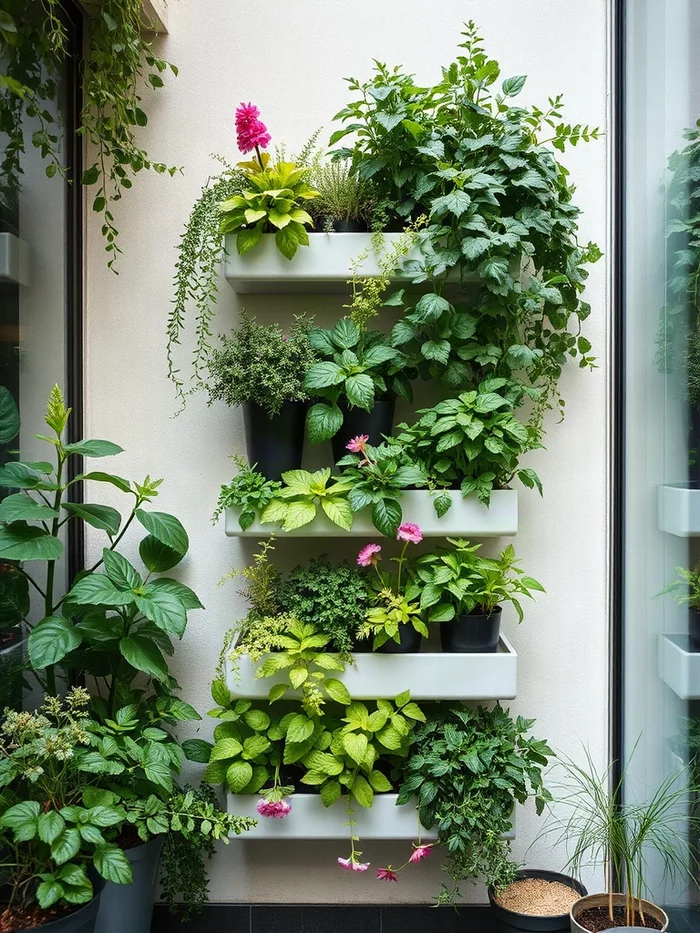
Vertical garden setup with various plants

Key Considerations for Setup

  • Sunlight: Ensure adequate light for plant growth.
  • Weight Capacity: Structure must support plants & soil.
  • Water Access: Nearby source simplifies maintenance.
  • Easy Access: For watering & harvesting.

Space-Saving Systems

1. Trellises & Wall Planters
  • • Secure installation
  • • Climbing plant selection
  • • Customizable design
2. DIY Options: Pallets & Gutters
  • • Cost-effective & simple
  • • Utilize recycled materials
3. Modular Systems
  • • Easy assembly
  • • Highly customizable layouts
  • • Space-efficient & flexible

Evaluating Your Needs

  • Space: Measure available area.
  • Budget: Account for setup & maintenance.
  • Plant Preferences: Choose suitable plants.
  • Accessibility: Ensure easy plant care.

Your Vertical Garden Checklist

  • Location: Identify ideal indoor/outdoor spot.
  • Materials: Gather pots, soil, and plants.
  • Structure: Set up stable and secure system.
  • Planting: Follow spacing & care guidelines.
  • Monitor: Regularly observe & enjoy growth!

Understanding Vertical Gardening in Limited Spaces

Vertical gardening is a fantastic solution for those of us with limited outdoor space! If you’re like me, a passionate gardener eager to cultivate greenery in a small area, vertical gardening offers incredible benefits. Not only does it optimize space, but it also enhances the aesthetics of your home while allowing you to grow a variety of plants—think herbs, flowers, and even vegetables. Plus, it can create a stunning green wall, adding character to any room or balcony.

When you choose to go vertical, you can maximize available space without sacrificing your gardening ambitions. Imagine herbs cascading down a beautiful trellis or vibrant flowers climbing up a wall—every little nook can become a thriving garden!

Why Choose Vertical Gardening for Small Spaces?

  • Space Optimization: Vertical gardens take advantage of vertical surfaces, making them perfect for small balconies or patios.
  • Aesthetics: A well-designed vertical garden can transform bland walls into vibrant green spaces.
  • Variety of Plants: You can grow a mix of plants, from herbs to decorative flowers, all within a small footprint.

In my experience, vertical gardening not only maximizes your available space but also adds a unique charm to your home. It’s a delightful way to connect with nature, even when gardening real estate is limited. And remember, every inch counts in a small garden!

Key Considerations for Setting Up a Vertical Garden

Before diving into the world of vertical gardening, there are some key considerations to keep in mind. First, assess the sunlight requirements—most plants thrive in full sun, so ensure your chosen location receives adequate light. Secondly, consider the weight capacity of your vertical garden structure. Whether you're using wall planters or shelves, make sure they can support the weight of the plants and soil. For more guidance on plant care, including sunlight needs, explore our plant care tips for home gardeners.

Next, think about access to water. Vertical gardens often require consistent moisture, so having a nearby water source can simplify your maintenance routine. Finally, plan for easy access to your plants for watering and harvesting—after all, these little beauties will be your pride and joy!

Exploring Space-Saving Systems for Vertical Gardens

Trellises and Wall Planters: A Space-Saving Solution

One of the most effective systems for vertical gardening is utilizing trellises and wall-mounted planters. These not only save space but also allow plants to grow upward, making a beautiful and functional addition to your garden. Trellises can support climbing plants like cucumbers and peas, while wall planters are perfect for small herbs and flowers.

  • Installation: Ensure your trellis or wall planter is securely attached to the wall and can handle the weight of the plants.
  • Plant Selection: Choose plants that naturally climb, such as beans or jasmine, to fill the vertical space effectively.
  • Design Flexibility: You can customize height and width based on your space, creating a personalized gardening experience.

Using trellises and wall planters can help you create a lush green display that’s both functional and visually striking! They're a must-try for anyone looking to maximize their gardening potential.

DIY Options: Pallet Gardens and Gutter Planters

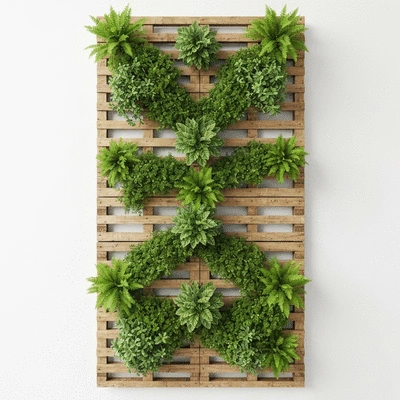
If you're looking for cost-effective ways to start your vertical garden, consider creating pallet gardens or gutter planters. These DIY options are not only budget-friendly but also quite simple to set up. For pallet gardens, all you need is a wooden pallet, some potting soil, and your choice of plants. Position the pallet upright to create a unique display that can house herbs, flowers, or even small vegetables.

  • Pallet Garden Steps:
  • Find a sturdy wooden pallet and clean it thoroughly.
  • Fill the gaps with soil and plant your chosen greenery.
  • Lean the pallet against a wall or fence for support.

For gutter planters, you can cut a length of a rain gutter, attach it horizontally to a wall, and fill it with soil for a fun planting area. This option is particularly great for herbs and small flowers! Both options are a great way to embrace creativity while maximizing your garden space.

Modular Gardening Systems for Custom Solutions

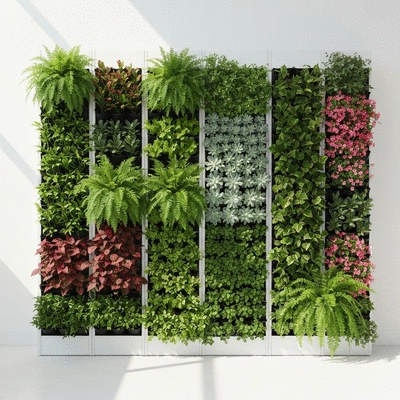
Modular gardening systems are another fantastic way to create personalized vertical gardens. These systems offer flexibility, allowing you to rearrange and customize your garden according to your preferences. They come in various forms, such as stackable planters or wall-mounted units, and can adapt to fit any space.

  • Easy Assembly: Most modular systems are user-friendly and require minimal tools for setup.
  • Customizable: You can mix and match different modules to create a garden that fits your style and plant choices.
  • Space Efficient: These systems maximize vertical space while making it easy to care for your plants.

In my view, modular gardening is not just practical but also a fun way to experiment with different plants and arrangements. Whether you live in a city apartment or a cozy cottage, these systems can transform your gardening experience! To learn more about efficient vertical gardening setups, explore our guide on exploring vertical gardening systems.

DIY vertical garden setup with pallets
Pro Tip

Did you know? Adding a drip irrigation system to your vertical garden can save you time and ensure your plants receive consistent moisture. This not only helps your plants thrive but also reduces the risk of overwatering, which can be a common issue in vertical setups!

Frequently Asked Questions About Vertical Gardening

Vertical gardening optimizes limited space, enhances the aesthetic appeal of your home, and allows for the cultivation of a wide variety of plants, including herbs, flowers, and vegetables.

Key considerations include adequate sunlight for plant growth, the weight capacity of your structure, easy access to a water source for consistent moisture, and overall accessibility for watering and harvesting.

Popular systems include trellises and wall planters for climbing plants, DIY options like pallet gardens and gutter planters for budget-friendly solutions, and modular gardening systems for customizable layouts.

Evaluate your available space, set a realistic budget for setup and maintenance, consider your plant preferences, and ensure the system allows for easy access to care for your plants.

A wide variety of plants can thrive in vertical gardens, including herbs, small flowers, leafy greens, and climbing vegetables like cucumbers and peas.

Wrapping Up Your Vertical Gardening Journey

As you embark on your vertical gardening adventure, it’s essential to evaluate the best systems that meet your specific needs. Consider factors such as your available space, budget constraints, and the plants you’re excited to grow. Each decision will guide you towards a thriving vertical garden that reflects your unique gardening style!

Evaluating the Best Vertical Garden Systems for Your Needs

When assessing vertical garden systems, focus on the following key aspects:

  • Space: Measure your available area to determine the height and width of your vertical setup.
  • Budget: Set a budget that includes initial setup costs and ongoing maintenance.
  • Plant Preferences: Choose plants that suit your taste and the growing conditions of your space.
  • Accessibility: Ensure your system allows for easy access to your plants for watering and harvesting.

This approach will help you select a system that not only fits your lifestyle but also allows you to enjoy gardening to the fullest! Remember, I’ve always found that a well-thought-out plan can really increase your chances of success.

Getting Started with Your Vertical Garden

Now that you've gathered all this helpful information, it’s time to take action! Start small if you need to, and gradually expand your vertical garden as you gain confidence. Here’s a quick checklist to get you going:

  • Identify your ideal location—indoors or outdoors.
  • Gather your materials, including pots, soil, and the chosen plants.
  • Set up your vertical structure, ensuring it’s stable and secure.
  • Plant your selections, following spacing and care guidelines.
  • Monitor your garden regularly, and enjoy the process!

Vertical gardening is not just about growing plants; it’s about creating a beautiful space that enhances your living environment. So let’s dig in and start your vertical garden journey with a spirit of adventure!

Recap of Key Points

Here is a quick recap of the important points discussed in the article:
  • Space Optimization: Utilize vertical surfaces to maximize limited gardening space.
  • Aesthetics: Transform bland walls into vibrant green spaces with a well-designed vertical garden.
  • Variety of Plants: Grow a mix of herbs, flowers, and vegetables in small areas.
  • Sunlight Requirements: Ensure your location receives adequate sunlight for plant growth.
  • Weight Capacity: Choose sturdy structures that can support the weight of plants and soil.
  • Water Access: Position your garden near a water source for easy maintenance.
  • DIY Options: Consider budget-friendly pallet gardens or gutter planters for creative solutions.
  • Modular Systems: Use stackable or wall-mounted units for flexibility and customization.
  • Evaluate Needs: Assess space, budget, and plant preferences to choose the right vertical garden system.

Subscribe & Share
Growing Herbs with Hydroponics Growing Herbs with Hydroponics Why settle for store-bought herbs when you can grow your own at home, in any space? Hydroponic garde
Growing Sweet Corn from Seeds Growing Sweet Corn from Seeds Ready to transform your gardening experience? Selecting the right sweet corn seeds can make all the
Growing Aquaponic Tomatoes at Home Growing Aquaponic Tomatoes at Home Imagine harvesting juicy, flavorful tomatoes while actively contributing to sustainable agriculture.
Soil Choices for Healthy Rosemary Soil Choices for Healthy Rosemary What if I told you that the secret to growing robust rosemary lies in the soil beneath your feet? Un
Exploring Hydroponic Greenhouse Benefits Exploring Hydroponic Greenhouse Benefits Have you ever wondered how innovative techniques in gardening can reshape our food production? Hydro
Growing Your Own Garlic Bulbs Growing Your Own Garlic Bulbs As you prepare to embark on your journey of growing garlic, consider this: garlic cultivation isn't
Banner
All American Gardeners

Your premier online resource for mastering home gardening across the U.S. We empower American home gardeners with expert tips, step-by-step guides, and sustainable practices for thriving outdoor spaces.

Trusted by gardeners nationwide, our mission is to provide reliable, easy-to-follow insights backed by Clara M. Greene's extensive horticulture experience and practical advice.

Cultivate Your Garden
Recent Posts
Growing Herbs with Hydroponics Growing Herbs with Hydroponics

Why settle for store-bought herbs when you can gro

Growing Sweet Corn from Seeds Growing Sweet Corn from Seeds

Ready to transform your gardening experience? Sele

Growing Aquaponic Tomatoes at Home Growing Aquaponic Tomatoes at Home

Imagine harvesting juicy, flavorful tomatoes while

Gardening Wisdom from All American Gardeners