Aquaponics: Growing Grass with Fish
Posted on: 2026-06-14
By: Clara M. Greene
What if you could create a lush, vibrant lawn while simultaneously protecting the environment? Aquaponics offers an innovative solution that merges fish farming and plant cultivation, resulting in a sustainable, self-sufficient ecosystem right in your backyard. Let’s explore the key insights from this powerful gardening method!
What You Will Learn
- Aquaponics combines fish farming and hydroponics to create a self-sustaining ecosystem.
- Implementing aquaponics can significantly reduce water usage by up to 90% compared to traditional gardening methods.
- Choosing the right type of turf grasses, like Bermudagrass and St. Augustinegrass, is crucial for success in aquaponic systems.
- Understanding local regulations is essential for setting up aquaponics in residential areas, including permits and species restrictions.
Aquaponics Integration: Benefits, Challenges & Process
Explore how aquaponics works, its environmental impact, and practical considerations for integrating it into lawn systems.
What is Aquaponics & How it Works
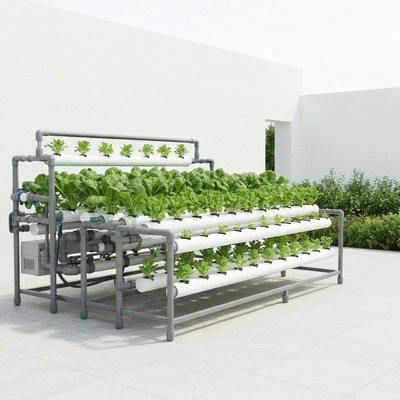
Combines aquaculture (fish farming) with hydroponics (plant cultivation). Fish waste provides nutrients for plants, plants filter water for fish, creating a closed-loop system.
Integrating Aquaponics in Lawn Systems
Yes, it can be applied to turf grasses. Requires careful planning for sunlight, soil type, and water availability.
- Load-bearing capacity
- Proper drainage solutions
- Maintenance requirements
Cost & Regulatory Landscape
Initial setup costs range from a few hundred to a couple thousand dollars. Monthly maintenance costs $20-$50.
- Fish tank: $100-$500
- Grow bed materials: $50-$300
- Pumps & filters: $50-$200
- Fish: $20-$100
Environmental Impact & Case Studies
Reduces water usage by up to 90%. Minimizes chemical runoff. Enhances biodiversity.
- Community Gardens
- Schools
- Residential Projects
Understanding Aquaponics and Its Role in Lawn Systems
Have you ever thought about how we can grow a lush lawn while minimizing our environmental impact? That's where aquaponics comes in! This incredible method combines fish farming with plant cultivation, creating a harmonious ecosystem that benefits both. At All American Gardeners, we believe that understanding aquaponics can empower home gardeners to enhance their outdoor spaces in sustainable ways.
Let’s dive into the mechanics of aquaponics and explore its potential role in our lawn systems!
What is Aquaponics and How Does It Work?
Defining Aquaponics: The Synergy Between Fish and Plants
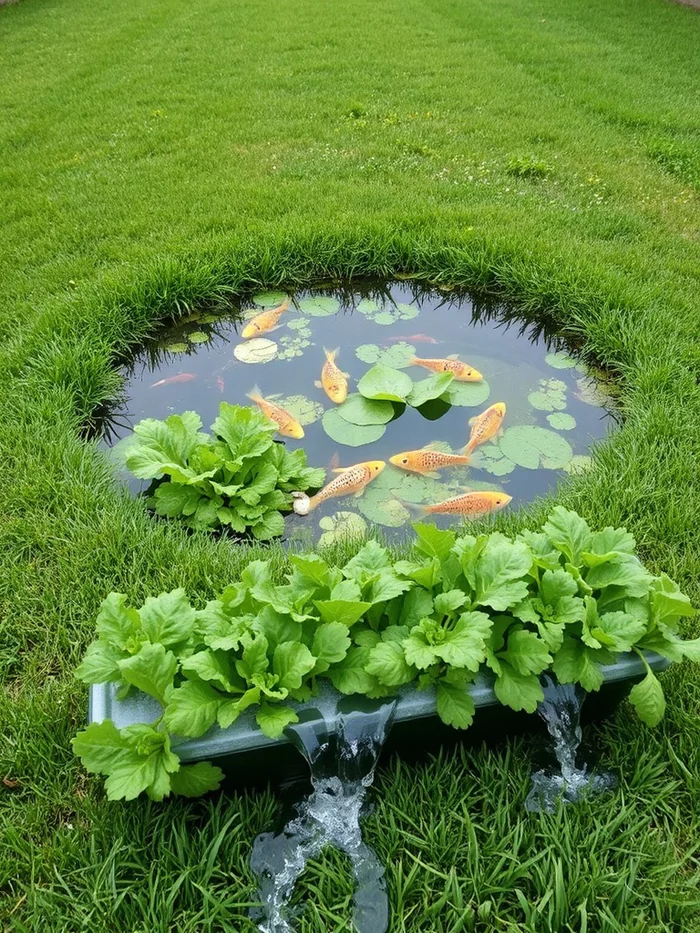
Aquaponics is an innovative approach to gardening that merges aquaculture (raising fish) with hydroponics (growing plants in water). In essence, fish produce waste that contains ammonia, which is then converted by beneficial bacteria into nitrates, providing essential nutrients for plants. This creates a dynamic, self-sustaining system where fish and plants thrive together! For a deeper dive into how these systems function, consider understanding aquaponics systems simply.
Imagine having a yard that not only looks beautiful but also produces fresh herbs or vegetables! It's a win-win situation. By harnessing the natural relationships between fish and plants, gardeners can create a productive and efficient lawn system.
The Water Cycle: From Fish Waste to Nutrient-Rich Soil
At the heart of aquaponics is the water cycle. Water from fish tanks is pumped to grow beds where plants absorb the nutrients. Once the plants filter the water, it flows back to the fish tank, completing the cycle. This closed-loop system minimizes water usage and maximizes efficiency, making it an appealing choice for eco-conscious gardeners.
- Water conservation through recycling
- Reduced need for chemical fertilizers
- Enhanced growth rates for plants due to nutrient availability
By using this method, you not only nourish your plants but also care for the fish, making aquaponics a fantastic choice for sustainable gardening!
Feasibility of Integrating Aquaponics with Lawn Systems
Can Aquaponics Be Applied to Turf Grasses?
Now that we understand the basics of aquaponics, you might be wondering if it can be applied to lawn systems. The short answer is yes! Integrating aquaponics into turf grass systems can promote healthier growth and reduce water usage. However, careful planning is necessary to ensure optimal results.
Consider the specific requirements of your lawn, including sunlight, soil type, and water availability. Each of these factors will affect how you implement aquaponics in your lawn.
Assessing Design Constraints: Load-Bearing, Drainage, and Maintenance
Before diving into setup, it’s crucial to assess various design constraints. Your lawn's soil structure will determine if it can support the weight of additional grow beds and equipment. Be sure to factor in:
- Load-bearing capacity of the ground
- Proper drainage solutions to prevent waterlogging
- Maintenance requirements for both fish and plants
Taking these considerations into account will help you create a sustainable aquaponic lawn system that thrives!
Exploring Turf Grass Types Suitable for Aquaponic Systems
Not all turf grasses are created equal when it comes to aquaponics. Choose varieties that can thrive in the unique conditions of aquaponic systems, such as:
- Bermudagrass
- St. Augustinegrass
- Perennial ryegrass
These grasses are known for their resilience and adaptability, making them ideal candidates for incorporation into aquaponic systems. By selecting the right varieties, you can ensure a flourishing lawn that benefits from the aquaponic setup! To learn more about various turf grasses, explore grass types for US climate zones.
We Want to Hear From You!
Have you considered incorporating aquaponics into your lawn care routine? What excites you the most about this sustainable method? Share your thoughts below:
Summarizing the Benefits and Challenges of Aquaponic Lawns
Aquaponic lawns can be a fantastic way to blend sustainability with aesthetic appeal! They not only reduce the need for chemical fertilizers but also create a unique ecosystem where fish and plants thrive together. However, like any gardening method, it's important to weigh the benefits and challenges before diving in.
In this section, we will explore the cost considerations associated with aquaponic lawn systems, local regulatory guidance, and the environmental benefits of such practices.
Cost Considerations and Local Regulatory Guidance
Setting up an aquaponic lawn system can initially seem daunting, especially when it comes to costs. Below are some important aspects to consider when estimating your budget:
- Initial Setup Costs: This includes the price of fish tanks, grow beds, pumps, and fish. Expect to invest a few hundred to a couple thousand dollars depending on the size and complexity of your system.
- Long-Term Maintenance: Consider costs for fish feed, plant seeds, and potential replacement of equipment. Regular maintenance is essential to keep your system running smoothly.
- Local Regulations: It's crucial to check local regulations regarding aquaponics. Some areas may have restrictions on keeping certain fish species or building structures.
Understanding these financial commitments will help you plan better and enjoy your aquaponic lawn without any surprises!
Estimating Initial Setup Costs and Long-Term Maintenance
As you embark on your aquaponic journey, you'll want to break down your expenses. A rough estimate for initial setup costs can include:
- Fish tank: $100 - $500
- Grow bed materials: $50 - $300
- Pumps and filters: $50 - $200
- Fish: $20 - $100, depending on the species and quantity
Once your system is up and running, regular costs, such as fish food and plant nutrients, can range from $20 to $50 monthly. Keeping these figures in mind ensures you're well-prepared for your investment in an aquaponic lawn. For those interested in getting started, exploring getting started with aquaponics can provide valuable information.
Navigating Local Regulations for Aquaponics in Residential Areas
Before starting, it's essential to research local laws governing aquaponics. Each state and municipality can have different rules about:
- Permits needed for system installation
- Types of fish allowed
- Water discharge regulations
Engaging with local gardening communities and resources can provide insight into navigating these regulations effectively!
Understanding the Environmental Benefits of Aquaponic Systems
One of the most exciting aspects of aquaponics is its environmental benefits. By utilizing a closed-loop system, you:
- Reduce water usage by up to 90% compared to traditional gardening methods
- Minimize chemical runoff, protecting local waterways
- Enhance biodiversity by creating habitats for both fish and beneficial insects
These benefits make aquaponics not just a gardening method, but a responsible choice for our planet!
Engaging with Case Studies and Real-World Examples
To truly appreciate the potential of aquaponic lawns, let's explore some inspiring success stories. These examples show how aquaponics can be integrated into various lawn environments and the lessons learned along the way.
Successful Applications of Aquaponics in Lawn Environments
Many communities have embraced aquaponics as a sustainable solution for lawn care. Here are a few notable examples:
- Community Gardens: Several urban gardens have implemented aquaponic systems, offering fresh produce and fish to local residents.
- Schools: Educational institutions are using aquaponics to teach students about ecology and responsibility.
- Residential Projects: Homeowners have transformed their backyards into thriving aquaponic ecosystems, reducing water needs and improving soil health.
These cases illustrate the versatility of aquaponic systems and their profound impact on community health and sustainability.
Lessons Learned: Challenges Faced by Early Adopters
While the successes are inspiring, it’s important to acknowledge challenges early adopters faced, such as:
- System failures due to incorrect water quality management
- Unexpected costs related to maintenance and repairs
- Difficulty in sourcing suitable fish and plants
Learning from these experiences can help new enthusiasts navigate their own aquaponic adventures more smoothly!
Insights from Community Gardens Utilizing Aquaponics
Community gardens that integrate aquaponics often provide a sense of connection among gardeners. They share resources, techniques, and even fish stock! Engaging with others in these gardens can spark new ideas and foster creativity in your own aquaponic lawn.
By sharing experiences, we can cultivate a vibrant community that supports sustainable practices and spreads the joy of gardening!
Frequently Asked Questions About Aquaponics and Lawn Systems
- Q: What is aquaponics?
- A: Aquaponics is a sustainable gardening method that combines aquaculture (fish farming) with hydroponics (growing plants in water). Fish waste provides nutrients for plants, and plants filter the water for the fish, creating a closed-loop system.
- Q: Can aquaponics be used with turf grasses?
- A: Yes, aquaponics can be applied to turf grasses. However, it requires careful planning regarding sunlight, soil type, water availability, load-bearing capacity, drainage, and maintenance requirements.
- Q: What turf grass types are suitable for aquaponics?
- A: Bermudagrass, St. Augustinegrass, and Perennial ryegrass are known for their resilience and adaptability, making them ideal candidates for aquaponic systems.
- Q: What are the initial setup costs for an aquaponic lawn system?
- A: Initial setup costs can range from a few hundred to a couple thousand dollars, including fish tanks ($100-$500), grow bed materials ($50-$300), pumps and filters ($50-$200), and fish ($20-$100).
- Q: What are the environmental benefits of aquaponics?
- A: Aquaponics significantly reduces water usage (by up to 90%), minimizes chemical runoff, and enhances biodiversity by creating habitats for fish and beneficial insects.
- Q: Are there local regulations to consider for aquaponics?
- A: Yes, it is crucial to check local laws for permits, restrictions on fish types, and water discharge regulations before setting up an aquaponic system in residential areas.
Recap of Key Points
Here is a quick recap of the important points discussed in the article:
- Aquaponics combines fish farming with plant cultivation, creating a sustainable ecosystem.
- The closed-loop water cycle in aquaponics minimizes water usage and maximizes efficiency.
- Proper planning is essential for integrating aquaponics with lawn systems, considering factors like sunlight and soil type.
- Choosing the right turf grass varieties, such as Bermudagrass and St. Augustinegrass, is crucial for successful aquaponic systems.
- Understanding local regulations can help in the setup and maintenance of aquaponic systems.
- The environmental benefits of aquaponics include reduced water usage and minimized chemical runoff.

 Why settle for store-bought herbs when you can grow your own at home, in any space? Hydroponic garde
 Ready to transform your gardening experience? Selecting the right sweet corn seeds can make all the
 Imagine harvesting juicy, flavorful tomatoes while actively contributing to sustainable agriculture.
 What if I told you that the secret to growing robust rosemary lies in the soil beneath your feet? Un
 Have you ever wondered how innovative techniques in gardening can reshape our food production? Hydro
 As you prepare to embark on your journey of growing garlic, consider this: garlic cultivation isn't