Cultivate Your Best Garden!

Join Clara M. Greene's community for expert tips and seasonal guides tailored for American gardeners.

Essential Aquaponics Supply Guide


Essential Aquaponics Supply Guide

Posted on: 2026-07-01
By: Clara M. Greene


What if you could grow your own food sustainably, using a method that benefits both plants and fish? Aquaponics offers just that! Dive into the world of this innovative farming technique, where understanding the essentials can lead to a thriving garden. Here’s what you need to know to get started.

What You Will Learn

  • Aquaponics combines aquaculture and hydroponics, creating a symbiotic environment for fish and plants.
  • Quality supplies are essential for a successful aquaponics system, impacting plant and fish health.
  • Important components include durable fish tanks, efficient grow beds, reliable pumps, and water quality testers.
  • Establish a balanced system by selecting the right location, fish species, and following proper setup procedures.

Essential Steps for Setting Up an Aquaponics System

Setting up a thriving aquaponics system involves a series of logical steps, from initial planning to system cycling. The process flow below outlines the critical stages to ensure a successful start. For those looking to dive deeper into the specifics, getting started with aquaponics provides detailed guidance.

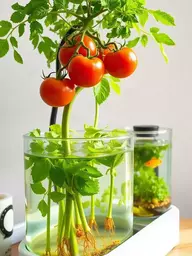
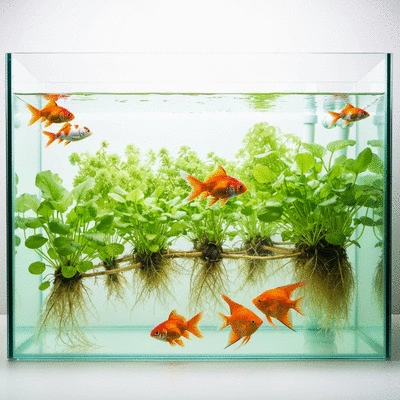
Aquaponics setup with plants and fish

Step 1
Select Your Location

Find a spot with ample sunlight and accessibility for your system.

Step 2
Choose Your Fish

Opt for species suitable for your climate and preferences.

Step 3
Purchase Quality Supplies

Ensure you have everything from tanks to grow beds.

Step 4
Set Up Your System

Assemble components according to established designs.

Step 5
Cycle Your System

Allow beneficial bacteria to establish before adding fish.

Understanding Aquaponics and the Importance of Quality Supplies

Aquaponics is an exciting method of growing food that combines aquaculture (raising fish) with hydroponics (growing plants in water). It’s a sustainable system where fish waste provides an organic nutrient source for plants, while the plants help filter and clean the water for the fish. This circular relationship not only produces fresh vegetables and herbs but also ensures that fish are raised in a healthy environment! If you're curious about how to get started, understanding the basics is key.

In essence, aquaponics is about creating a miniature ecosystem. It allows gardeners like you and me to produce food efficiently, even in limited spaces. To truly harness the benefits of this system, however, investing in quality aquaponics supplies is crucial. Quality supplies can make the difference between a thriving aquaponics garden and one that struggles. So, let’s dive into what you need to know! You can also explore organic gardening tips for beginners to complement your aquaponics journey.

This method not only conserves water but also maximizes food production in a sustainable way. It’s an amazing solution for home gardeners, especially for those who want to grow their own food while minimizing their environmental impact!

The Role of Quality Aquaponics Supplies in Successful Systems

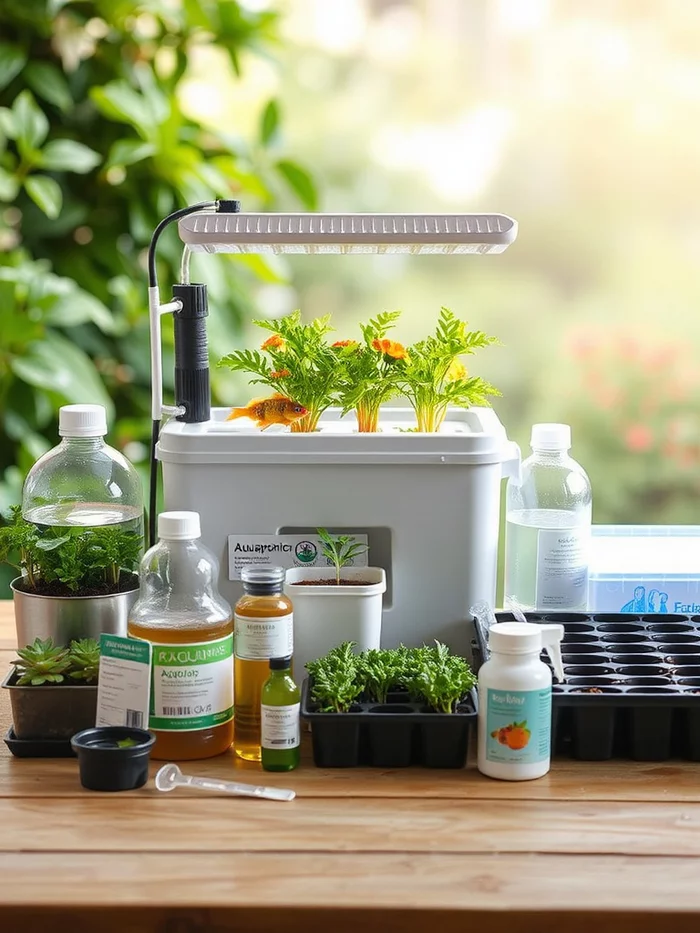
Having the right supplies is essential for a successful aquaponics system. Quality equipment can enhance the efficiency of your setup and lead to healthier plants and fish. Some key supplies that contribute to a thriving aquaponics garden include:

  • Durable fish tanks that prevent leaks and maintain water quality
  • Efficient grow beds to support rapid plant growth
  • Reliable pumps that ensure proper water circulation
  • Water quality testers to monitor the health of both plants and fish

Each of these components plays a vital role in your aquaponics journey. Investing in high-quality supplies means fewer headaches down the line! With proper care and the right resources, your aquaponics system can flourish and provide you with fresh produce year-round.

Essential Components for Every Aquaponics System

Now that we’ve covered what aquaponics is and why quality supplies matter, let’s dig deeper into the essential components necessary for setting up your aquaponics system. Understanding these parts will help you make informed decisions as you embark on this exciting gardening technique!

Pro Tip

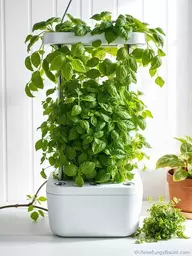
To enhance the health and productivity of your aquaponics system, consider incorporating companion planting. This technique involves growing different plants together that can benefit each other. For example, pairing leafy greens with herbs like basil can improve growth rates and deter pests. Experimenting with companion planting can lead to a more vibrant and efficient aquaponics garden.

Summarizing Key Takeaways on Aquaponics Supplies

As we wrap up our discussion on aquaponics supplies, it's clear that having the right components is essential for building a thriving system. The importance of reliable suppliers and quality components cannot be overstated. From fish tanks to pumps, each part plays a significant role in the success of your aquaponics adventure! To learn more about specific components, consider understanding aquaponics grow beds.

When you're investing in your garden, remember that quality materials lead to better yields and healthier plants. A solid foundation sets the stage for your plants and fish to thrive together in harmony. So, let’s highlight some key points to keep in mind:

  • Choose suppliers known for their reliability and product quality.
  • Ensure all components meet your system's specific needs.
  • Don’t overlook the critical nature of water quality testing!

Taking these steps will pave the way for a successful aquaponics experience. When you have everything in place, you’re ready to enjoy the fruits of your labor—literally!

Essential Steps for Setting Up Your Aquaponics System

Establishing an aquaponics system may seem daunting, but with a little guidance, you can transform your space into a vibrant ecosystem. Here’s a straightforward list to help you get started:

  1. Select Your Location: Find a spot with ample sunlight and accessibility.
  2. Choose Your Fish: Opt for fish species that are suitable for your climate and personal preferences.
  3. Purchase Quality Supplies: Ensure you have everything from tanks to grow beds.
  4. Set Up Your System: Assemble your components according to established aquaponics designs.
  5. Cycle Your System: Allow beneficial bacteria to establish before adding fish.

Following these steps will help you create a balanced system where plants and fish can flourish together. Remember, patience is key during the cycling process, so hang tight; your thriving garden is on its way!

Frequently Asked Questions About Aquaponics

What exactly is aquaponics?
Aquaponics is a sustainable food production system that combines aquaculture (raising fish) and hydroponics (growing plants without soil). Fish waste provides nutrients for the plants, and the plants filter the water for the fish, creating a symbiotic environment.
Why are quality supplies important for an aquaponics system?
Quality supplies are crucial for the efficiency, durability, and overall health of your aquaponics system. High-quality tanks prevent leaks, efficient grow beds support plant growth, reliable pumps ensure proper water circulation, and accurate water quality testers help monitor the system's balance. Inferior supplies can lead to problems and hinder the system's success.
What are the essential components needed to set up an aquaponics system?
Key components include durable fish tanks, efficient grow beds, a reliable water pump, an air pump and air stone (for oxygenation), plumbing and fittings, and water quality testing kits (for pH, ammonia, nitrite, and nitrate). Grow media for the plants, such as clay pebbles, is also essential.
How does the cycling process work in aquaponics?
System cycling is the process of establishing beneficial bacteria that convert fish waste (ammonia) into plant-usable nutrients (nitrates). This typically involves adding an ammonia source to the system and monitoring water parameters until ammonia and nitrite levels drop to zero, and nitrate levels rise. This takes several weeks and is crucial before adding fish.
What are some benefits of using aquaponics?
Aquaponics offers several benefits, including water conservation (it uses significantly less water than traditional farming), efficient food production in limited spaces, reduced need for chemical fertilizers or pesticides, and the ability to grow both fresh produce and fish simultaneously in a sustainable way.

Your Next Steps in Building an Aquaponics System

Where to Shop for Reliable Aquaponics Supplies

Shopping for aquaponics supplies can be an exciting venture! At All American Gardeners, we’ve curated a list of trusted suppliers that offer quality products suitable for both beginners and seasoned aquaponics enthusiasts. Consider checking out:

  • Local garden centers with aquaponics sections
  • Online retailers specializing in sustainable gardening
  • Community forums for recommendations on reputable suppliers

Don’t hesitate to compare prices and read customer reviews—this will help ensure you’re getting the best value for your investment.

Engaging with the Aquaponics Community for Support

One of the best parts about embarking on your aquaponics journey is connecting with others who share your passion. Join online forums, local gardening clubs, and social media groups dedicated to aquaponics. These communities can provide invaluable support and insight as you navigate your own system. Plus, it’s a fantastic way to share your successes and learn from others!

Exploring Urban Farming and Aquaponics Opportunities

As you delve deeper into aquaponics, consider exploring urban farming opportunities. Many cities are embracing sustainable practices, and aquaponics is a perfect fit! You can:

  • Join urban farming initiatives in your area.
  • Participate in workshops and local events to broaden your knowledge.
  • Set up a community aquaponics project to get others involved!

Not only does this foster a sense of community, but it also promotes sustainable practices that benefit everyone involved. So, let’s get growing and make a positive impact together!

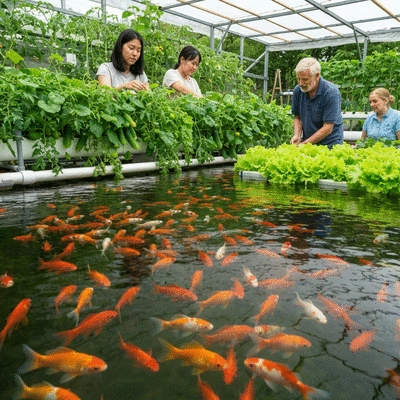
Aquaponics community gardening

Recap of Key Points

Here is a quick recap of the important points discussed in the article:
  • Aquaponics combines aquaculture and hydroponics to create a sustainable food-growing ecosystem.
  • Quality aquaponics supplies, such as durable fish tanks and efficient grow beds, are essential for a thriving system.
  • Regular water quality testing ensures the health of both fish and plants in an aquaponics setup.
  • Engaging with the aquaponics community can provide support and valuable insights for beginners and experienced gardeners alike.
  • Exploring urban farming opportunities can enhance your aquaponics experience and promote sustainable practices.

Subscribe & Share
Caring for Azalea Bonsai Flowers Caring for Azalea Bonsai Flowers Caring for azalea bonsai can transform your gardening experience, turning a simple hobby into a vibr
Growing Hydroponic Lettuce at Home Growing Hydroponic Lettuce at Home Hydroponic gardening is revolutionizing how we grow our food. With innovative techniques and sustain
Bonsai vs. Pre-Bonsai Explained Bonsai vs. Pre-Bonsai Explained What if your next gardening project was not just about planting but creating a living art piece? Und
Creating a Chamomile Garden Creating a Chamomile Garden Did you know that incorporating chamomile in your garden can do more than just provide beautiful blo
Growing Green Bean Seeds Easily Growing Green Bean Seeds Easily Did you know that the right soil preparation can significantly impact the success of your green bean
Growing Thai Basil from Seeds Growing Thai Basil from Seeds Did you know that incorporating herbs like Thai basil can significantly enhance both the flavor of y
Kactoily Smart 4-in-1 WiFi Hydroponic Monitor – Amazon Affiliate Banner
As an Amazon Associate, we may earn from qualifying purchases.
Recent Posts
Caring for Azalea Bonsai Flowers Caring for Azalea Bonsai Flowers

Caring for azalea bonsai can transform your garden

Growing Hydroponic Lettuce at Home Growing Hydroponic Lettuce at Home

Hydroponic gardening is revolutionizing how we gro

Bonsai vs. Pre-Bonsai Explained Bonsai vs. Pre-Bonsai Explained

What if your next gardening project was not just a

Gardening Wisdom from All American Gardeners