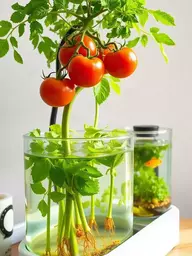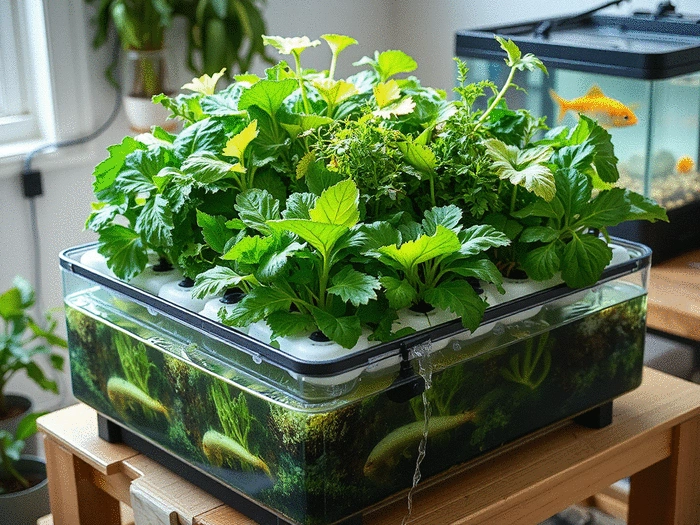
How Grow Beds Function
Water Flow & Nutrients
- Fish waste provides nutrients.
- Water pumped to grow bed.
Filtration & Ecosystem
- Plants filter water for fish.
- Beneficial bacteria convert waste.
Join Clara M. Greene's community for expert tips and seasonal guides tailored for American gardeners.
Posted on: 2026-05-18
By: Clara M. Greene
Consider this: in an aquaponics system, the synergy between plants and fish not only cultivates a thriving garden but also promotes a sustainable ecosystem. How does this unique relationship work, and what can you learn to enhance your own gardening journey?
This visual outlines the core functions of aquaponics grow beds and highlights different types suitable for various gardening needs. For those starting out, a good aquaponics kit for beginners can simplify the setup process.
Are you curious about how to get started with aquaponics? One of the essential components of this innovative gardening method is the aquaponics grow bed. These beds create a symbiotic relationship between plants and fish, making them a cornerstone of any aquaponics system. Let's dive into what they are and why they matter!
Aquaponics grow beds serve as the primary growth medium for your plants while also acting as a filter for fish waste. In essence, they provide the necessary nutrients that plants crave while simultaneously purifying the water for the fish. This mutual benefit is what makes aquaponics truly fascinating and sustainable!
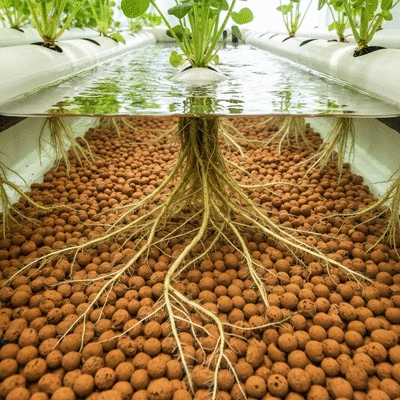
An aquaponics grow bed is a container where plants are grown using a soilless medium, typically filled with inert materials. These beds can be filled with various media, including clay pellets, gravel, or even coconut coir. They are designed to facilitate efficient water flow, ensuring that both plants and fish thrive in harmony. For a deeper understanding, explore understanding aquaponics systems simply.
In short, aquaponics grow beds are the heart of your system, promoting healthy growth and sustainability. As a gardener, I find them incredibly rewarding, not just for the plants they yield but for the ecosystem they create!
Understanding how grow beds function can help you optimize your aquaponics system. The water from the fish tank, rich in nutrients, is pumped into the grow bed. Here, the plants absorb these nutrients while the roots filter the water, converting it back to a cleaner state for the fish. This recirculating system reduces water waste and maximizes efficiency!
As you can see, the interaction between the plants and fish creates a robust ecosystem. This balance not only helps you grow healthier plants but also contributes to a thriving aquatic life!
One often-overlooked component of aquaponics grow beds is the presence of beneficial bacteria. These tiny organisms play a crucial role in breaking down fish waste, converting it into forms that plants can readily absorb. They are the unsung heroes of your aquaponics journey!
In essence, these bacteria are vital for the health of your aquaponics system. They ensure that nutrients are available for your plants while keeping the water safe for your fish. As a passionate gardener, I can’t stress enough how important it is to nurture these beneficial partners as you work to create your own sustainable garden!
To enhance the efficiency of your aquaponics grow beds, consider adding a layer of beneficial bacteria. These microorganisms not only break down fish waste into nutrients for your plants but also help maintain water quality. A thriving colony of beneficial bacteria is essential for creating a balanced and productive ecosystem, ensuring both your plants and fish flourish!
A1: An aquaponics grow bed serves as the primary growth medium for plants while also filtering fish waste. It facilitates nutrient cycling and water purification, creating a symbiotic environment for both plants and fish.
A2: Grow beds are filled with soilless, inert materials such as clay pellets, gravel, or coconut coir, which provide root support and allow for efficient water and nutrient circulation.
A3: Beneficial bacteria, particularly nitrifying bacteria, are crucial for converting ammonia from fish waste into nitrites and then into nitrates. These nitrates are essential nutrients that plants can absorb, ensuring water quality and a healthy ecosystem.
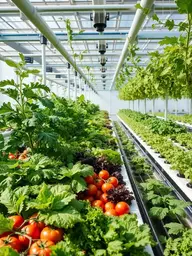
A4: Common types include media beds (versatile for various plants), bell siphon beds (ideal for water level control and root oxygenation), compact options for small spaces, and vertical gardening systems for maximizing space and light.
A5: Optimizing efficiency involves ensuring good water circulation, maintaining a healthy colony of beneficial bacteria, and regularly checking water levels and nutrient balance. Nurturing the beneficial bacteria is particularly important.
Aquaponics grow beds are fascinating and fundamental components of a thriving aquaponics system. They provide a unique environment where plants and fish can coexist, benefiting each other in a sustainable cycle. Understanding the different types of grow beds helps you make informed choices that align with your gardening goals!
Each type has its own set of advantages, allowing you to customize your system based on the space you have available and the plants you wish to grow. As a passionate gardener, I find that experimenting with these options leads to exciting discoveries in your gardening journey!
Selecting the right grow bed is essential for a successful aquaponics system. Consider your plant types, available space, and maintenance preferences to choose wisely. Remember, a well-maintained grow bed contributes significantly to the health of both plants and fish!
At All American Gardeners, we emphasize the importance of sustainable practices, and aquaponics aligns perfectly with that vision. By choosing the right grow bed and committing to its care, you can ensure that your garden flourishes while contributing to a healthier environment!
Ready to dive into the world of aquaponics? There are countless resources available to help you deepen your knowledge. From books and online courses to community workshops, the options are virtually endless!
These resources can provide the insights you need to set up your system successfully. Remember, education is key to making your aquaponics journey enjoyable and fruitful!
Connecting with fellow aquaponics enthusiasts can greatly enhance your experience. Join online forums or local gardening clubs to share your journey and learn from others! For instance, exploring simple steps for home composting can also connect you with broader sustainable gardening communities.
These interactions can provide motivation and help you troubleshoot any issues you may face. Plus, it's a wonderful way to forge connections with others who share your passion!
If you're just starting out, consider investing in a beginner-friendly aquaponic kit. These kits typically come with everything you need to get started, including grow beds, fish tanks, and essential equipment. They simplify setup and allow you to focus on growing! You might also find value in understanding setting up backyard aquaponics for a larger scale project.
Choosing the right kit can be a game-changer in your aquaponics journey. With a solid foundation, you'll be well on your way to creating a thriving ecosystem right in your home!
Here is a quick recap of the important points discussed in the article: