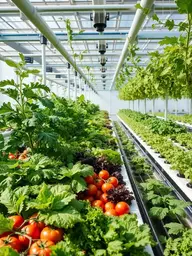
Water Efficiency Comparison
Aquaponics uses up to 90% less water compared to traditional soil gardening due to its recirculating closed-loop system.
Join Clara M. Greene's community for expert tips and seasonal guides tailored for American gardeners.
Posted on: 2026-04-03
By: Clara M. Greene
Aquaponics combines the principles of aquaculture and hydroponics, creating a sustainable gardening solution that benefits both the environment and your table. As you explore this innovative method, you'll discover the joy of producing your food while nurturing a thriving ecosystem right in your backyard.
Aquaponics offers significant environmental advantages by integrating fish and plants in a symbiotic system, leading to efficient resource use. This innovative approach is gaining popularity among gardeners looking for more sustainable ways to grow food. For beginners looking to get started, understanding the basics of organic gardening can provide a solid foundation for success in aquaponics.
Aquaponics uses up to 90% less water compared to traditional soil gardening due to its recirculating closed-loop system.
Aquaponics combines the art of gardening with the science of aquaculture, creating a symbiotic environment where fish and plants thrive together. This sustainable gardening solution is perfect for those who want to grow their own food while minimizing their impact on the planet. At All American Gardeners, we believe that anyone can embark on this rewarding gardening journey, no matter their experience level!
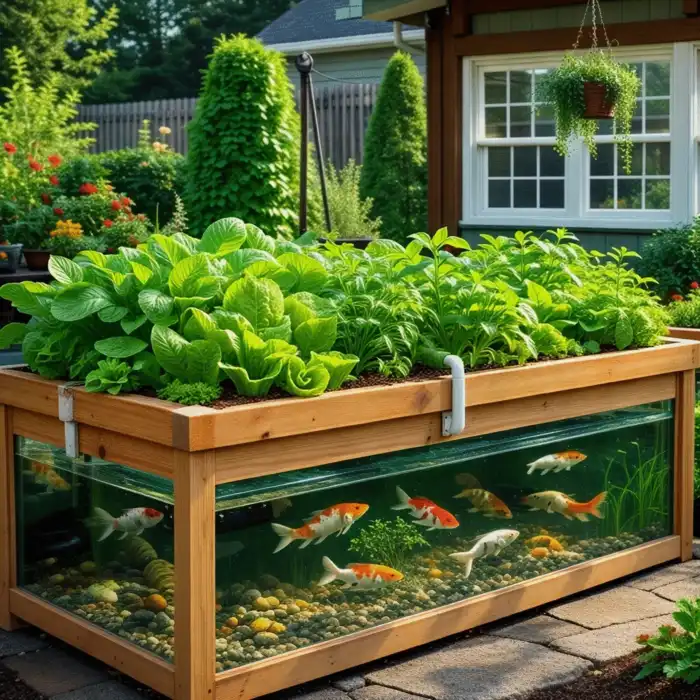
At its core, a backyard aquaponics system is a self-sustaining ecosystem that uses the waste produced by aquatic animals to fertilize the plants in the system. The plants, in turn, help filter and purify the water, which is then recirculated back to the fish. This method not only conserves resources but also yields fresh produce and fish for your table.
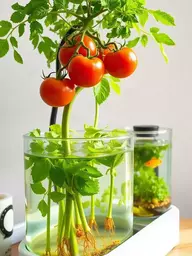
Aquaponics is a unique combination of aquaculture (raising fish) and hydroponics (growing plants in nutrient-rich water). By integrating these two methods, you create a mini-ecosystem right in your backyard. This approach is not only efficient but also leads to healthier plants and fish compared to traditional gardening methods!
In essence, aquaponics allows you to grow a variety of vegetables while also raising fish like tilapia, goldfish, or catfish. This closed-loop system means less waste and lower input costs – a big win for anyone looking to garden sustainably. To further enhance your understanding of this sustainable practice, explore our guide on understanding aquaponic farming basics.
The beauty of aquaponics lies in its circular ecosystem. Here's how it works:
This partnership creates a balanced environment where both fish and plants can thrive. As a gardener, you’ll enjoy a continuous cycle of growth and productivity that can be both fulfilling and incredibly delicious!
For those new to aquaponics, a media-based system might be the best starting point. This setup uses a grow bed filled with a material like gravel or clay pellets to provide a sturdy base for the plants while allowing water to flow through. It’s low-maintenance and straightforward—perfect for getting your feet wet in the world of aquaponics!
If you're looking to scale up, consider a raft system. In this setup, plants float on rafts in a nutrient-rich water solution. This method is popular for commercial operations due to its efficiency in space utilization and higher yield potential. Just imagine a sea of fresh greens bobbing on the water!
For the more experienced gardener, the Nutrient Film Technique (NFT) offers an exciting challenge. In this system, a thin film of nutrient-rich water runs over the roots of the plants, providing them with everything they need to grow. It requires a bit more technical know-how, but the rewards can be spectacular!
While both aquaponics and hydroponics focus on soil-less growing, the key difference is that aquaponics integrates fish into the system, creating a natural fertilizer source. Here are a few benefits of aquaponics compared to traditional hydroponics:
Ultimately, aquaponics presents a compelling option for those interested in a more holistic approach to gardening that benefits both the gardener and the environment!
To successfully establish your backyard aquaponics system, you'll need a few essential components:
Having the right equipment is crucial for the health of both your plants and fish. Investing in quality materials will pay off in the long run!
Setting up your aquaponics system doesn’t have to be overwhelming! Here’s a simple guide to get you started:
With a little patience and care, you’ll soon find yourself enjoying the fruits of your labor!
When selecting fish for your aquaponics system, consider species that are well-suited for the environment and your skill level. Popular options include:
Choosing the right fish not only ensures a productive system but also enhances your gardening experience. They become part of your garden family! For more detailed information on selecting the best aquatic inhabitants, check out our guide on top fish choices for aquaponics.
Starting an aquaponics system does require some upfront investment, but it can be worth it in the long run. Budget for these key items:
By planning your expenses carefully, you can ensure your project stays within budget while still providing a thriving environment for your plants and fish!
One of the most significant benefits of aquaponics is the potential for long-term savings. Growing your own fresh produce can save you money on grocery bills. Plus, you get to enjoy the satisfaction of knowing exactly where your food comes from. Imagine serving up a salad made with homegrown greens and fresh fish from your backyard!
If your aquaponics system thrives, you might even consider selling your surplus produce and fish. This can turn into a small side business! Many gardeners find joy in sharing their bounty with friends or at local farmers' markets. It's a great way to connect with the community and spread the love for sustainable gardening.
As you embark on your aquaponics journey, you may encounter some bumps along the way. Here are some common troubleshooting tips:
Remember, every gardener faces challenges, but with a little patience, you'll learn to adjust and solve any issues that arise!
Maintaining optimal water quality is crucial for both fish and plants. Regularly check the pH levels, aiming for a range of 6.8 to 7.2. This balance ensures that your plants can absorb nutrients effectively while keeping your fish healthy.
Additionally, monitor ammonia, nitrite, and nitrate levels to maintain a thriving ecosystem. By staying proactive, you’ll catch any issues early before they impact your garden.
As seasons change, so do the needs of your aquaponics system. During hot summer months, you may need to provide shade for your fish tank to prevent overheating. In winter, consider insulating your system to protect it from the cold. Adapting to the seasons will help keep everything running smoothly!
Finally, don't forget the importance of beneficial bacteria in your aquaponics system! These tiny helpers break down fish waste into nutrient forms that plants can easily absorb. Maintaining a healthy population of these bacteria is key to the success of your system.
If you're ready to dive into aquaponics but unsure where to start, consider investing in a pre-made aquaponics kit. These kits come with everything you need to get started, and I recommend looking for ones that include:
Choosing the right kit can help simplify the process and set you up for success from day one!
When selecting a kit, consider your experience level. For beginners, look for kits that are user-friendly and require minimal assembly. More advanced gardeners can explore kits that offer customizable options and advanced features.
For those with a creative flair, designing your own DIY aquaponics system can be a fun project! Start by sketching out your ideal layout and researching materials. There are countless resources available to guide you through the process, from online forums to books dedicated to aquaponics.
As we embrace technology in our gardens, IoT-connected systems are becoming increasingly popular. These smart systems allow you to monitor and manage your aquaponics setup remotely, giving you peace of mind and flexibility. Imagine receiving notifications about water quality or fish health right on your phone!
Automation tools can help simplify routine tasks, like feeding fish or adjusting water levels. With these systems in place, you'll spend less time worrying about the nitty-gritty details and more time enjoying your beautiful, thriving garden.
If you're considering an indoor aquaponics system, installing grow lights is essential. They mimic natural sunlight and ensure your plants receive the energy they need to flourish, even in low-light conditions. With the right setup, you can create a vibrant indoor garden year-round!
What aspect of backyard aquaponics excites you the most? Share your thoughts below:
Backyard aquaponics is not just about growing your food—it's about doing it in a way that benefits the planet! As a gardener, I find it exciting that by integrating fish farming with plant cultivation, we can create a sustainable ecosystem right in our own backyards. Let's explore the many benefits of this innovative gardening method!
Aquaponics offers a host of environmental benefits that make it a compelling choice for home gardeners. By mimicking natural ecosystems, aquaponics conserves precious resources, allowing us to grow more while using less.
One of the most remarkable aspects of aquaponics is its water efficiency. In fact, this method uses up to 90% less water compared to traditional soil gardening! Thanks to the recirculating nature of the system, water is continually filtered and reused, minimizing waste.
With these efficiencies in mind, it's easy to see why aquaponics is an attractive option for gardeners who want to make a positive impact on their environment!
When we talk about sustainable gardening, energy consumption is a key factor. Aquaponics systems can be designed to use renewable energy sources, such as solar panels, to power pumps and lights. This means you can reduce your carbon footprint while enjoying fresh produce!
By making smart choices about energy sources, we can make our backyard aquaponics systems not only productive but also environmentally friendly!
Beyond conserving water and energy, aquaponics encourages eco-friendly gardening practices. For instance, by avoiding harmful fertilizers and pesticides, we promote a healthier ecosystem.
At All American Gardeners, we believe that every small step counts towards a healthier planet. Adopting aquaponics is a fantastic way to contribute to sustainability!
If you're ready to dive into backyard aquaponics, there are a few essential steps to take. Don't worry; I've got you covered with everything you need to know!
Getting started can seem overwhelming, but there’s a wealth of resources available. Here are a few I recommend:
Connecting with fellow gardeners can make all the difference as you embark on this exciting journey!
Before setting up your system, be sure to check your local regulations. Some areas may have specific rules about fish farming and garden setups. Understanding these regulations can help you avoid any potential issues down the line.
Being informed will help you create a successful aquaponics system that complies with local guidelines!
In aquaponics, the right nutrient balance is essential for plant and fish health. It’s vital to understand how nutrients work together within the system. Remember, the fish produce waste that becomes the nutrients for your plants! For more information on plant health and nutrient uptake, consider reviewing our article on guide to fertilizing garden plants.
With proper nutrient management, your aquaponics garden can thrive, providing both fresh fish and vibrant plants!
Here is a quick recap of the important points discussed in the article: