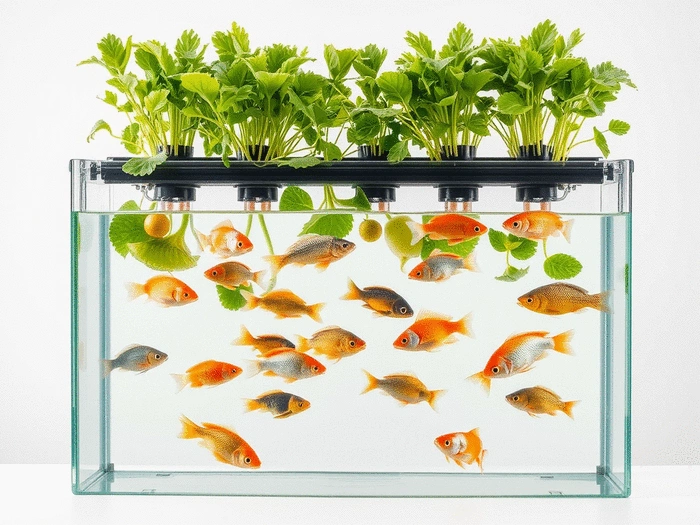
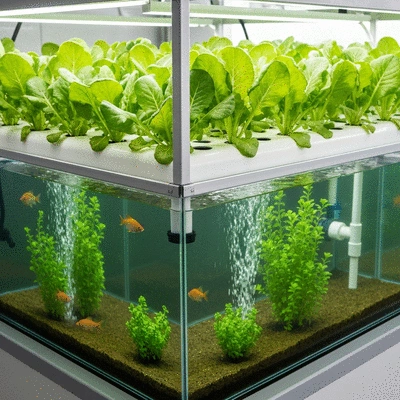
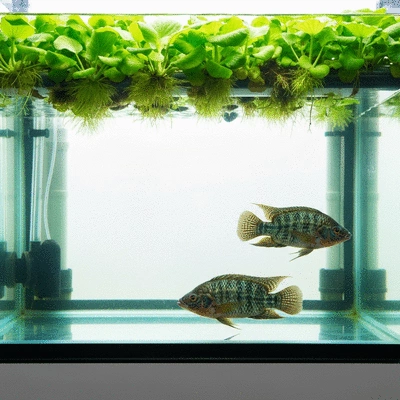
Have you ever considered how fish and plants can thrive together in a sustainable environment? Aquaponics is the innovative answer, providing a perfect balance between fish farming and hydroponics. Let's explore the essentials of this fascinating technique that not only nurtures our gardens but also contributes to a healthier planet.
What You Will Learn
Aquaponics is a sustainable method that combines fish farming and hydroponics to create a symbiotic ecosystem.
The process involves raising fish, using their waste for plant nutrients, and filtering the water in a closed-loop system.
Fish selection is crucial; factors like species compatibility, growth rate, and edibility can significantly affect your aquaponics success.
Understanding the temperature preferences of fish species is vital for ensuring a thriving aquaponic environment.
Popular fish choices include tilapia, trout, catfish, and barramundi, each offering unique benefits based on local conditions.
Factors influencing fish selection include growth rates, edibility, market demand, and compatibility with chosen plant types.
Aquaponics System: Key Components & Process Flow
Aquaponics integrates fish farming and hydroponics into a sustainable, closed-loop ecosystem. The visual below details the main components and how they interact to support both fish and plant life. To understand the foundational principles of this system, it's helpful to review understanding aquaponics systems simply.
Component 1 Fish Production
Fish are raised in tanks, producing waste rich in nutrients.
Nutrient Source
Process Step 1 Water Filtration
Wastewater is pumped to a plant-growing area where bacteria convert ammonia into nitrates.
Nutrient Conversion
Component 2 Plant Growth
Plants absorb nutrients, filtering the water which is then returned to the fish tanks.
Natural Filtration
Process Step 2 Recirculation
The clean water is recirculated back to the fish tanks, completing the closed-loop system.
Sustainable Cycle
Understanding Aquaponics: The Basics
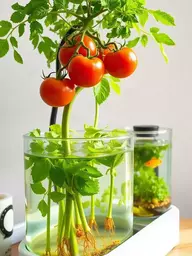
Aquaponics combines the art of fish farming and hydroponics to create a sustainable ecosystem that benefits both plants and fish. If you’re new to gardening or just curious about innovative techniques, I’m excited to share more about this fascinating method! In essence, aquaponics allows you to grow vegetables while raising fish, all in a symbiotic environment. The fish waste provides essential nutrients for the plants, and in return, the plants help filter and purify the water for the fish.
This closed-loop system mimics natural ecosystems, making it both efficient and environmentally friendly! As a passionate gardener, I find aquaponics offers not just productivity but also a wonderful connection to nature. Let’s dive into the details of how it works!
What is Aquaponics and How Does It Work?
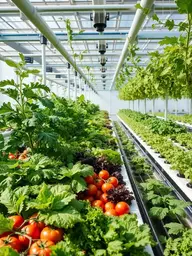
Aquaponics integrates two main components: aquaculture (raising fish) and hydroponics (growing plants in water). Here’s how the process typically unfolds:
Fish Production: Fish are raised in tanks, where they produce waste, rich in nutrients.
Water Filtration: This wastewater is pumped to a plant-growing area, where beneficial bacteria convert the ammonia into nitrites and then nitrates—nutrients that plants love!
Plant Growth: As the plants absorb these nutrients, they filter the water, which is then returned to the fish tanks, creating a recirculating system.
For someone like me who loves gardening, this system is a game-changer. It not only reduces water usage but also eliminates the need for chemical fertilizers, making it an ideal choice for sustainable practices.
The Role of Fish in Aquaponic Systems
Fish are a crucial component of aquaponics, as they serve as the source of nutrients that fuel plant growth. The choice of fish species can significantly impact your system's success, so it's essential to consider a few factors:
Species Compatibility: Different fish thrive in varying environmental conditions and have different nutrient outputs.
Growth Rate: Fast-growing fish can help you achieve a quicker yield.
Edibility: Choosing fish that are both enjoyable to raise and eat will enhance your gardening experience!
In my experience, the symbiotic relationship between fish and plants in aquaponics creates a thriving ecosystem. You only get to enjoy fresh produce but also delicious fish, making it a rewarding venture! For those looking to set up their own system, consider getting started with aquaponics to ensure a smooth journey.
We Want to Hear From You!
As you consider which fish to include in your aquaponics system, what factors are most important to you? Is it the growth rate, edibility, or perhaps the compatibility with your plants? Share your thoughts below:
Frequently Asked Questions About Aquaponics and Fish Selection
Here are some common questions to help you better understand aquaponics and the role of fish within these systems:
Q1: What is aquaponics?
A1: Aquaponics is a sustainable food production system that combines aquaculture (raising fish) and hydroponics (growing plants without soil). Fish waste provides nutrients for the plants, and the plants, in turn, filter the water for the fish, creating a symbiotic, closed-loop ecosystem.
Q2: How does the aquaponics system work?
A2: Fish are raised in tanks, producing nutrient-rich waste. This water is then pumped to a plant-growing area, where beneficial bacteria convert ammonia from the fish waste into nitrates. Plants absorb these nitrates as nutrients, filtering the water before it is recirculated back to the fish tanks.
Q3: Why is fish selection important in aquaponics?
A3: The choice of fish species significantly impacts the success of your aquaponics system. Factors like species compatibility, growth rate, edibility, and temperature tolerance must be considered to ensure a thriving environment for both fish and plants.
Q4: What are some popular fish choices for aquaponics?
A4: Popular choices include Tilapia (hardy, fast-growing), Trout (prefers cooler water), Catfish (fast-growing, mild taste), and Barramundi (ideal for tropical climates). Koi and other ornamental fish are also used for aesthetics and pest control.
Q5: What is the role of temperature in choosing fish for aquaponics?
A5: Temperature tolerance is crucial. Warm-water fish like tilapia and catfish thrive between 75°F and 85°F, while cold-water fish like trout prefer 50°F to 65°F. Matching fish species to your local climate and system's temperature control capabilities is essential for their health and growth.
Choosing the Right Species: Popular Fish for Aquaponics
When it comes to setting up an aquaponics system, selecting the right fish species is critical. The fish you choose will not only thrive in your specific conditions but also contribute to the overall health and productivity of your system. Let's dive into some important factors that will help you make the best selection for your aquaponics setup!
Temperature Tolerance: Warm Water vs. Cold Water Fish
Understanding the temperature needs of different fish species is vital for a thriving aquaponics system. Some fish prefer warmer waters, while others do well in cooler temperatures. Here’s a quick overview to help you decide:
Warm Water Fish: Species like tilapia and catfish thrive at temperatures between 75°F and 85°F.
Cold Water Fish: Trout and bass prefer cooler conditions, around 50°F to 65°F.
Adaptability: Some species, like koi, can survive in a range of temperatures, making them versatile choices.
By matching fish species with your local climate, you can create a more stable and successful aquaponics environment. Remember, temperature control is essential for fish health and growth!
Top Fish Choices for Aquaponics Systems
Now, let's explore some of the most popular fish for aquaponics systems. These selections are favored for their resilience, growth rates, and edible qualities:
Tilapia: Characteristics and Benefits
Tilapia is a top choice for beginners due to its hardiness and fast growth. They are also quite adaptable to varying water conditions!
Trout: Ideal Conditions and Considerations
Trout require cooler water and are a great choice for regions with lower temperatures. They are delicious and highly sought after!
Catfish: Growth Rates and Edibility
Catfish grow quickly and are popular in Southern U.S. aquaponics systems. Plus, they have a mild taste that's loved by many!
Barramundi: Who Should Consider This Fish?
Barramundi is perfect for tropical climates and offers excellent flavor. They thrive in warm waters, making them a fantastic choice for warmer regions.
Koi and Other Ornamental Fish: Aesthetic Choices for Aquaponics
Koi not only beautify your system but also help with pest control! Their vibrant colors can enhance the overall appeal of your aquaponics garden.
Exploring Other Fish Options: Bass, Bluegill, and Perch
These fish provide excellent choices for diverse environments and can be quite rewarding to grow!
Each fish has its unique benefits and requirements. Consider what works best for your aquaponics setup and local climate conditions!
Factors Influencing Fish Selection in Aquaponics
Choosing the right fish for your aquaponics system is not just about personal preference; it's also about understanding various influencing factors. Let's break down some essential aspects to keep in mind:
Growth Rates and Yield Expectations
Different fish species exhibit varying growth rates, impacting the overall yield of your system. Fast-growing varieties can provide quicker results!
Edibility and Market Demand for Aquaponics Fish
Consider the demand for certain fish in your area. Opting for popular edible species can enhance your marketability.
System Compatibility: Matching Fish with Plant Types
Your fish choice should complement the plants you intend to grow. For example, tilapia pairs well with leafy greens, providing a harmonious ecosystem. For more information on combining elements in your garden, a guide to companion planting guides by zone might be useful.
Diversity in Stocking: The Benefits of Including Guppies and Goldfish
Incorporating smaller fish like guppies can improve biodiversity in your system and aid in pest control!
By weighing these factors, you can make informed decisions that will lead to a more fruitful aquaponics experience. Remember, it's all about creating a balanced ecosystem!
Recap of Key Points
Here is a quick recap of the important points discussed in the article:
Aquaponics combines fish farming and hydroponics, creating a sustainable ecosystem where fish waste provides nutrients for plants.
Choosing the right fish species is crucial for system success; consider factors like compatibility, growth rate, and edibility.
Temperature tolerance is essential; warm water fish like tilapia thrive at higher temperatures, while cold water fish like trout prefer cooler conditions.
Fast-growing fish can lead to quicker yields, making them ideal for a productive aquaponics system.
Incorporating smaller fish like guppies can enhance biodiversity and aid in pest control within the aquaponics system.
Subscribe & Share
2026-08-28
Growing Herbs with Hydroponics
Why settle for store-bought herbs when you can grow your own at home, in any space? Hydroponic garde
2026-08-27
Growing Sweet Corn from Seeds
Ready to transform your gardening experience? Selecting the right sweet corn seeds can make all the