Did you know that aquaponics systems use about 90% less water than traditional gardening methods? This innovative approach not only conserves resources but also creates a sustainable food source right in your own backyard! Let’s explore the key lessons you can learn about aquaponics kits and their benefits.
What You Will Learn
Aquaponics kits combine fish farming and hydroponics to create a self-sustaining ecosystem.
These kits typically include essential components such as fish tanks, grow beds, and filtration systems.
Using aquaponics allows you to grow organic produce while conserving water and space.
Different types of aquaponics systems cater to various gardening needs, from beginners to commercial setups.
Choosing the right kit involves considering size, included components, and ease of setup.
Understanding the role of fish, like tilapia or goldfish, is crucial for maintaining a balanced aquaponics system.
Aquaponics System Components & Benefits
An aquaponics system efficiently grows produce and raises fish. Discover the key components and benefits of this sustainable gardening method below.
Aquaponics System Key Components
•Fish Tank: Essential for fish life & nutrient generation.
•Grow Bed: Plants absorb nutrients from fish waste here.
•Pumps & Tubing: Circulate water between tank & grow bed.
•Filtration: Keeps water clean for a healthy ecosystem.
Top Benefits of Aquaponics Systems
✓Water Efficiency: Uses ~90% less water than traditional gardening.
✓Organic Produce: Grow chemical-free vegetables and fish.
✓Space Saving: Ideal for small yards or indoor setups.
✓Educational: Learn about ecosystems and food production.
Popular Fish Species for Aquaponics
•Tilapia: Fast-growing and tolerant of various water conditions.
•Goldfish: Hardy and easy to care for, ideal for beginners.
•Catfish: Great for larger systems due to their resilience.
Essential Aquaponics Supplies
•Water Testing Kits: Crucial for monitoring water quality.
•Fish Feed: High-quality feed ensures healthy aquatic life.
•Grow Lights: Essential for indoor systems to support plant growth.
Understanding Aquaponics Kits: A Comprehensive Overview
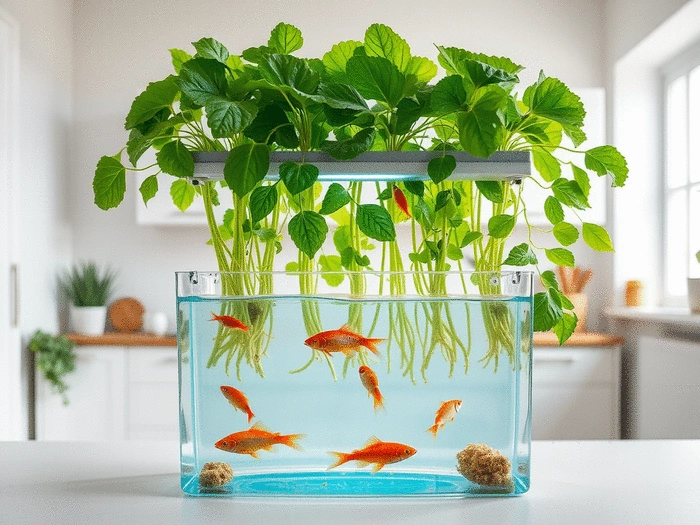
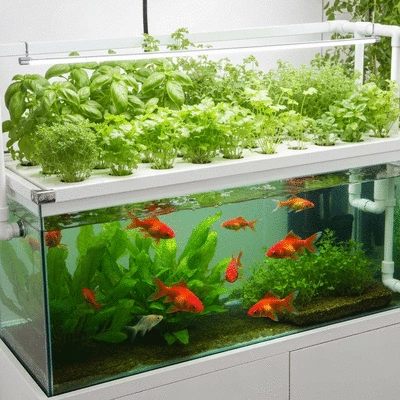
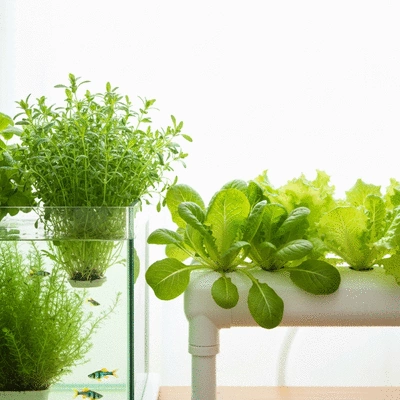
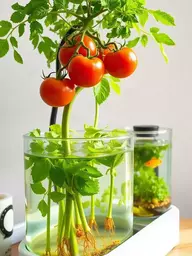
If you’re curious about sustainable gardening, you might have heard of aquaponics kits. These innovative systems combine aquaculture (raising fish) and hydroponics (growing plants in water) into a symbiotic environment. Essentially, fish waste provides organic nutrients for the plants, while the plants help filter and clean the water for the fish. It’s a beautiful cycle of life that creates a mini-ecosystem right in your home or backyard! To learn more about setting up your own system, check out our guide on setting up backyard aquaponics.
In this section, we’ll dive deeper into what aquaponics kits are, how they work, and why they’re becoming increasingly popular among gardeners—and I can’t wait to share this with you!
What Are Aquaponics Kits and How Do They Work?
Aquaponics kits are designed to simplify the process of starting your own aquaponic garden. Generally, they include everything you need to get started, from fish tanks to grow beds and pumps. The beauty of these kits lies in their efficiency; they allow you to grow fresh produce and raise fish simultaneously in a controlled environment. It's a sustainable solution that works well for urban gardeners or anyone looking to maximize their space!
Fish Tank: This is where your fish live and thrive, providing essential nutrients.
Grow Bed: In this section, your plants take root and absorb nutrients from the fish waste.
Pumps and Tubing: These components circulate water between the fish tank and grow bed.
Filtration System: Helps keep the water clean and ensures a healthy environment for both fish and plants.
The entire system relies on a natural process to maintain balance. This means less work for you and more time enjoying the fruits (and fish) of your labor!
The Benefits of Using Aquaponics Kits for Sustainable Gardening
Using aquaponics kits offers numerous benefits that can transform your gardening experience. Not only do these systems produce fresh food, but they also promote sustainability. Here’s why you might consider investing in one:
Water Efficiency: Aquaponics uses about 90% less water than traditional gardening!
Organic Produce: Grow your own chemical-free vegetables and fish, right at home.
Space Saving: Perfect for small yards or even indoor gardening setups.
Educational Experience: Great for kids and adults alike! It’s a fun way to learn about ecosystems and food production.
With such benefits, it’s easy to see why aquaponics is gaining traction among home gardeners. You not only reap the rewards of fresh produce but also contribute to a healthier planet. For more insights into sustainable practices, consider exploring organic gardening tips for beginners.
The Role of Fish Farming in Aquaponics Systems
Fish farming is a critical component of aquaponics. The fish provide nutrients that are essential for plant growth through their waste. It’s a great example of how different elements of nature work together harmoniously. You can choose various fish species, but some popular options include tilapia, goldfish, and catfish. Each type has unique benefits, so think about what works best for your setup.
Tilapia: Fast-growing and tolerant of varying water conditions.
Goldfish: Hardy and easy to care for, making them great for beginners!
Catfish: Great for larger systems and very resilient.
By incorporating fish farming into your aquaponics system, you’re not just growing plants; you’re creating a self-sustaining ecosystem that can provide food year-round. It’s a fulfilling way to engage with nature while enjoying the fruits of your labor!
Did You Know?
According to a study by the University of the Virgin Islands, aquaponics systems can produce up to 50% more food compared to traditional farming methods in the same area, all while using 90% less water. This sustainable approach not only conserves resources but also enhances food security!
Choosing the Right Aquaponics Kit for Your Needs
When diving into the world of aquaponics, selecting the right kit is crucial for your success and enjoyment. With various options available, it can feel overwhelming to find the perfect fit for your gardening style and space. That’s where I come in! At All American Gardeners, I’ve compiled essential tips to help you make an informed choice.
Beginner's Buying Guide: Finding the Perfect Starter Kit
As a beginner, it’s best to start simple! A quality starter kit will have everything you need to kick off your aquaponics journey without breaking the bank. Here are a few key points to keep in mind:
Size and space: Consider how much room you have. Smaller kits are perfect for apartments, while larger systems fit better in backyards.
Included components: Look for kits that come with all essential parts, including a fish tank, grow beds, and the necessary plumbing.
User-friendly setup: Choose a kit with clear instructions or even video tutorials to guide you through the installation process.
These factors will help ensure a smoother start! Remember, a successful aquaponics experience begins with the right tools tailored to your space and skill level.
Comparing Different Types of Aquaponics Systems
There are several types of aquaponics systems available, and each serves a unique purpose. Understanding these differences can help you choose wisely. Let’s break it down:
Media-based systems: Great for beginners, these use gravel or clay pellets to support plants and facilitate beneficial bacteria growth.
Deep water culture: Plants are suspended in nutrient-rich water, making it easy to manage water quality and oxygen levels.
Nutrient film technique (NFT): A more advanced method that circulates a thin film of nutrient solution over the roots of plants.
Each system has its own set of advantages and challenges, so consider what works best for you! Whether you're looking for simplicity or advanced features, there’s an aquaponics system that matches your gardening ambitions. For example, some systems are similar to starting hydroponics: a beginner's guide, offering a familiar learning curve.
Indoor vs. Outdoor Aquaponics Kits
Deciding between indoor or outdoor aquaponics kits is another important step. Both have unique benefits:
Indoor kits: Perfect for those with limited outdoor space or harsh weather conditions. You can control the environment easily!
Outdoor kits: Great for larger setups, allowing for natural sunlight and potentially larger fish and plant varieties.
Think about your gardening preferences and environment. Do you want to enjoy the fresh air while gardening, or would you prefer the control of an indoor setting? Each choice has its perks!
Small-Scale vs. Commercial Aquaponics Solutions
If you're interested in aquaponics for personal use or considering a business venture, knowing the difference between small-scale and commercial options is key:
Small-scale systems: Ideal for home use, these kits are typically less expensive and easier to manage.
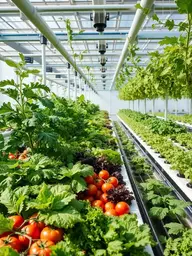
Commercial systems: Designed for larger operations, these setups often require more investment but can yield higher returns.
As you weigh your options, consider your long-term goals. Are you looking to grow fresh veggies for your family, or do you aspire to start a profitable aquaponics business?
Essential Aquaponics Supplies for Every Setup
Lastly, it’s vital to know which supplies will complement your chosen kit. Essential items include:
Water testing kits: Monitor your water quality to keep fish and plants healthy.
Fish feed: Ensure you provide high-quality feed for your aquatic friends.
Grow lights: Especially important if you're working with an indoor system!
By being prepared with all the necessary supplies, you’ll set yourself up for a thriving aquaponics experience. I always say that being well-equipped leads to better gardening outcomes!
Recap of Key Points
Here is a quick recap of the important points discussed in the article:
Aquaponics kits combine aquaculture and hydroponics, creating a sustainable mini-ecosystem.
Key components of aquaponics kits include fish tanks, grow beds, pumps, and filtration systems.
Benefits of aquaponics include water efficiency, organic produce, space-saving, and educational opportunities.
Choosing the right kit involves considering size, included components, and user-friendliness.
Different types of aquaponics systems cater to various gardening needs, from media-based to deep water culture.
Essential supplies for successful aquaponics include water testing kits, quality fish feed, and grow lights.
Frequently Asked Questions About Aquaponics Kits
What is an aquaponics kit?
An aquaponics kit is a system that combines aquaculture (raising fish) and hydroponics (growing plants in water) in a symbiotic environment. Fish waste provides nutrients for plants, and plants filter the water for the fish, creating a self-sustaining ecosystem.
What are the main components of an aquaponics kit?
Key components typically include a fish tank for the fish, a grow bed where plants absorb nutrients, pumps and tubing to circulate water, and a filtration system to maintain water quality.
What are the benefits of using aquaponics kits?
Benefits include significant water efficiency (using about 90% less water than traditional gardening), the ability to grow organic produce and fish, space-saving designs ideal for small areas, and an educational opportunity to learn about ecosystems and food production.
What kind of fish are best for aquaponics?
Popular fish choices include tilapia (fast-growing and tolerant), goldfish (hardy and easy for beginners), and catfish (resilient and suitable for larger systems). The best choice depends on your system size and experience level.
What should I consider when choosing an aquaponics kit?
Consider the kit's size and the space you have available, the included components to ensure it's complete, and how user-friendly the setup process is. Matching the kit to your skill level and goals is key for success.
Subscribe & Share
2026-08-28
Growing Herbs with Hydroponics
Why settle for store-bought herbs when you can grow your own at home, in any space? Hydroponic garde
2026-08-27
Growing Sweet Corn from Seeds
Ready to transform your gardening experience? Selecting the right sweet corn seeds can make all the