Exploring Aquaponics in Fish Farming
Posted on: 2026-08-10
By: Clara M. Greene
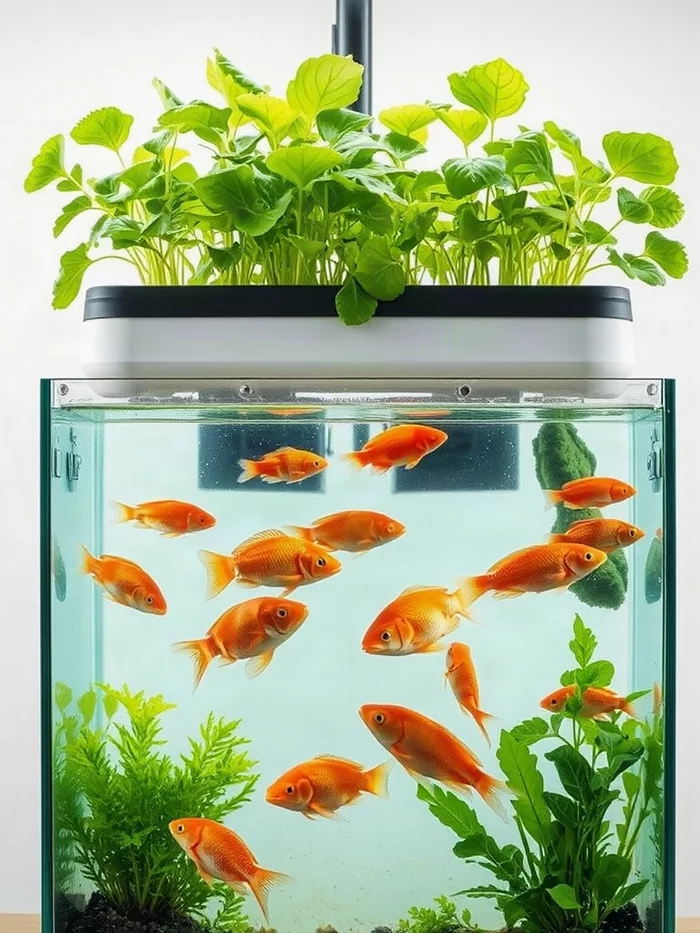
Aquaponics fish farming is not just a method; it's a journey into sustainability, efficiency, and innovation. As you explore this fascinating world, consider how you can create your very own self-sustaining ecosystem right in your backyard, yielding both fish and fresh produce!
What You Will Learn
- Resource Efficiency: Aquaponics systems use significantly less water than traditional farming methods, making them ideal for sustainable agriculture.
- Minimal Chemical Use: Utilizing a natural ecosystem reduces reliance on fertilizers and pesticides, promoting healthier plants and fish.
- Space-Saving Solutions: Aquaponics can be adapted for small spaces, making it perfect for urban gardeners.
- Learning Curve: Managing an aquaponics system requires knowledge of fish care, plant growth, and water quality management.
- Potential Pests and Diseases: Like any garden, aquaponics systems can face challenges with pests or diseases that need proactive management.
Aquaponics System: Key Differences and Components
Aquaponics combines aquaculture (fish farming) and hydroponics (soil-less plant growing) to create a sustainable, integrated food production system. Below is a comparison of aquaponics with traditional farming and an overview of its core components. To truly grasp the fundamentals, it's beneficial to start by getting started with aquaponics through simple, clear guides.

Aquaponics vs. Traditional Farming
- ✓Water Use: ~90% less than conventional.
- ✓Soil: Not required, plants grow in water.
- ✓Chemicals: No harmful fertilizers needed.
- ✓System: Integrated, closed-loop ecosystem.
Core Aquaponics Components
- ●Fish Tanks: Where aquatic life thrives, producing nutrient-rich waste.
- ●Grow Beds: Plants absorb nutrients from fish water in a soil-less environment.
- ●Recirculation System: Pumps water between fish tanks & grow beds.
- ●Biofiltration: Bacteria convert fish waste to plant nutrients (Nitrogen Cycle).
Understanding Aquaponics Fish Farming: A Comprehensive Overview
Welcome to the world of aquaponics fish farming, where the harmony of fish and plants creates a sustainable ecosystem right in your backyard! If you're curious about this innovative growing method, you're in the right place. Let’s dive into what aquaponics is and how it can transform your gardening experience.
What is Aquaponics Fish Farming?
Defining Aquaponics: The Fusion of Aquaculture and Hydroponics
Aquaponics is a unique agricultural system that combines aquaculture (raising fish) with hydroponics (growing plants in water). This symbiotic relationship allows fish waste to provide organic nutrients for plants, while the plants help filter and clean the water for the fish. It’s a brilliant cycle that maximizes efficiency and minimizes waste!
Imagine growing delicious vegetables while also raising fish like tilapia or catfish. Not only does this method yield fresh produce and fish, but it also promotes sustainability in gardening, which aligns perfectly with our mission at All American Gardeners.
How Aquaponics Differs from Traditional Farming Methods
Unlike traditional farming, aquaponics uses significantly less water and eliminates the need for harmful fertilizers. Here are some key differences:
- Resource Efficiency: Aquaponics uses about 90% less water than conventional growing.
- No Soil Required: Plants grow in a soil-less environment, directly in nutrient-rich water.
- Integrated System: Fish and plants thrive together, creating a closed-loop system that benefits both.
This integration means that aquaponics is not just about growing food; it’s about creating a self-sustaining ecosystem that helps reduce our environmental footprint!
The Mechanics Behind Aquaponics Systems
Core Components: Fish Tanks, Grow Beds, and Recirculation
Setting up an aquaponics system requires understanding its three primary components: fish tanks, grow beds, and a recirculation system. The fish tanks are where your aquatic friends live, while the grow beds hold your plants. Water circulates between these components, ensuring each plays its vital role in the ecosystem. For more in-depth knowledge, exploring understanding aquaponics systems simply can provide a clearer picture of their intricate workings.
For beginners, it’s essential to note that the size and type of your fish tank and grow bed will depend on the scale of your farm. It’s a balancing act, but once you get the hang of it, it will feel like second nature!
Biological Processes: The Role of Bacteria in Nutrient Cycling
In aquaponics, beneficial bacteria play a crucial role in converting fish waste into nutrients that plants can absorb. This process is known as nitrogen cycling, and it’s at the heart of any successful aquaponics system. Good bacteria convert ammonia from fish waste into nitrites, then into nitrates, which are essential nutrients for your plants.
By managing this biological process, you ensure a thriving, productive system. It’s fascinating how nature has its own way of creating balance!
Understanding Biofiltration: Essential for Healthy Aquaponic Systems
Biofiltration is a key component in aquaponics that helps maintain water quality. It involves using specialized materials where beneficial bacteria can thrive, breaking down harmful substances and keeping both fish and plants healthy.
- Physical Filtration: Removes larger solids from the water.
- Chemical Filtration: Adjusts water chemistry to optimal levels.
- Biological Filtration: Critical for nutrient cycling, as discussed earlier!
Maintaining a healthy biofilter is essential for the longevity of your aquaponic system and the well-being of your plants and fish.
Setting Up Your Aquaponics System
Choosing the Right Location and Space Requirements
Identifying the perfect location for your aquaponics system is vital. You’ll want a spot that receives ample sunlight and has access to water and electricity. However, you don’t need to have a massive backyard! Even small spaces can accommodate an aquaponics system.
Additionally, consider the climate in your area. Certain fish and plants thrive better in specific conditions, and at All American Gardeners, I’m here to help you find the best fit for your unique environment!
Essential Equipment and Materials for Beginners
Starting your aquaponics journey doesn’t have to be overwhelming. Here’s a quick list of essential equipment and materials you’ll need:
- Fish tank
- Grow beds
- Pumps and aerators
- Biofilter media
- Seeds or seedlings
- Fish (like tilapia or goldfish)
With these basics in hand, you're well on your way to creating your very own aquaponics system!
Sizing Ratios for Fish and Plants: Balancing for Success
Finding the right balance between fish and plants is crucial for your system’s success. A general rule of thumb is to have 1 pound of fish for every 2 square feet of grow bed space. This helps ensure that the nutrient levels are sufficient for plant growth without overwhelming the fish.
When I first started, I learned the importance of this balance through trial and error—trust me, it’s worth getting it right from the start!
Exploring Aquaponics Kits for Home Use: A Beginner's Guide
If you’re looking for a simpler way to dive into aquaponics, consider starting with a pre-made aquaponics kit. These kits typically include everything you need to set up your system, from fish tanks to grow beds, and often come with detailed instructions. Here are some benefits of choosing a kit:
- Easy Setup: Designed for beginners, making it a breeze to get started.
- Time-Saving: No need to gather individual components.
- Guided Learning: Many kits include resources to help you learn!
Starting with a kit can reduce the learning curve and help you experience the joys of aquaponics more quickly! For those interested in expanding their gardening skills, organic gardening tips for beginners can offer complementary insights into sustainable practices.
Managing Water Quality in Aquaponics
Understanding pH Levels and Their Impact on Fish and Plants
Maintaining proper pH levels is critical in aquaponics as it affects both fish health and plant growth. Ideally, you want to keep the pH between 6.8 and 7.4. Regular testing of water is essential, and doing so will help prevent potential issues down the road!
As a passionate gardener, I always keep a close eye on my water quality, as it can dramatically impact the success of your aquaponics system.
Optimizing Temperature and Aeration for Healthy Ecosystems
Temperature is another vital factor in aquaponics. Most fish species thrive between 75°F and 80°F, while plants can vary. Ensuring your system is well-aerated also promotes healthy growth. This can be done through air pumps or natural aeration techniques.
Having the right temperature and aeration creates a thriving environment for both fish and plants, fostering the vibrant ecosystem you're aiming for!
Monitoring Nutrient Levels: Ammonia, Nitrite, and Nitrate Management
In aquaponics, monitoring the levels of ammonia, nitrite, and nitrate is crucial. Ammonia and nitrite are toxic to fish at high levels, while nitrates are beneficial for plants. Regular testing and adjustments help keep your system in balance. I recommend using easy-to-read test kits or digital meters for accurate monitoring!
The peace of mind that comes from knowing you’re maintaining the right levels is invaluable, and it helps you grow healthy plants and fish effortlessly.
Importance of Water Quality in Sustainable Agriculture
Water quality is the backbone of a successful aquaponics system. Not only does it support the life of your fish and plants, but it also plays a role in sustainable agriculture practices. Clean, fresh water reduces the need for artificial chemicals, leading to healthier, more flavorful produce.
By prioritizing water quality, you’re contributing to a sustainable future—one that aligns perfectly with our mission at All American Gardeners.
Best Practices for Fish and Plant Compatibility
Choosing Suitable Fish Species for Your Climate and Market
When selecting fish for your aquaponics system, consider your local climate and market preferences. Popular options include tilapia, trout, and goldfish. Each species has its own requirements and benefits, so do a little research to find the best match for your setup!
At All American Gardeners, I can help guide you toward the right choices for your garden and local conditions.
Plant Varieties That Thrive in Aquaponics Systems
Many plants flourish in aquaponics systems, but some of the best choices include:
- Leafy greens like lettuce and kale
- Herbs such as basil and mint
- Fruiting plants like tomatoes and peppers
These plants not only grow well in aquaponics but also contribute to the ecosystem by utilizing nutrients effectively. I always love to experiment with different varieties to see what works best!
Understanding the Benefits of Freshwater Fish in Aquaponics
Freshwater fish are commonly used in aquaponics due to their adaptability and ease of care. They thrive in a range of environments and provide valuable nutrients for plants. Plus, they’re often more sustainable and accessible than saltwater fish, especially for beginners.
Choosing the right fish species can enhance not only your system's productivity but also the overall success of your aquaponics journey!
Sustainability Benefits of Aquaponics Fish Farming
Water Conservation and Efficiency in Food Production
Aquaponics is a champion of sustainability! By recycling water and nutrients, it significantly reduces the overall resource use compared to traditional farming methods. This efficient approach to food production is crucial as we face increasing water scarcity and food security challenges.
At All American Gardeners, I believe that every garden can contribute to a healthier planet, and aquaponics is a fantastic way to start!
Reducing Chemical Inputs and Enhancing Biodiversity
With no need for chemical fertilizers or pesticides, aquaponics promotes a healthier ecosystem. It fosters biodiversity not just in the plants, but also in the aquatic life. This natural balance creates a resilient system that can withstand pests and diseases more effectively.
Embracing a chemical-free approach aligns perfectly with our commitment to sustainable practices in gardening!
Exploring the Role of Aquaponics in Urban Agriculture
Aquaponics is an excellent solution for urban agriculture, allowing individuals to grow food in limited spaces. Rooftops or balconies can transform into productive gardens with the right aquaponics setup. This trend brings fresh, local produce closer to urban dwellers, promoting food independence.
Using aquaponics in urban environments can also help beautify spaces and contribute to healthier communities.
Common Challenges in Aquaponics Management
Identifying and Troubleshooting Water Quality Issues
While aquaponics systems are efficient, they can face challenges, particularly concerning water quality. Regular testing and monitoring are essential to catch potential problems early. Common issues include fluctuations in pH, ammonia spikes, or low oxygen levels.
Don’t get discouraged! Many of these challenges can be managed with a little knowledge and regular maintenance.
Dealing with Disease and Pest Control in Aquaponics
Just like traditional gardening, aquaponics systems can experience pests and diseases. Keeping a close eye on your plants and fish is essential to spot any signs early. Integrated pest management strategies, such as introducing beneficial insects or using organic treatments, can help keep your system healthy.
Sharing experiences and solutions within the gardening community can also be a great way to tackle these challenges!
Understanding Aquaponic Challenges: Key Issues to Address
Challenges in aquaponics can range from nutrient deficiencies to equipment failures. Being prepared with a plan for troubleshooting and understanding your system’s needs can help mitigate these issues. At All American Gardeners, I’m here to support you through these learning curves, ensuring your aquaponics journey is as smooth as possible!
Evaluating Costs and Profitability in Aquaponics Fish Farming
Initial Investment Breakdown for Setting Up an Aquaponics System
Starting an aquaponics system can be a rewarding investment! The initial costs can vary widely depending on the size and complexity of your setup. Here’s a quick breakdown of potential expenses:
- Fish tank
- Grow beds
- Pumps and filtration systems
- Seeds or seedlings
- Fish
Keeping track of these costs will help you better evaluate your potential return on investment.
Long-term Profitability and ROI Considerations
While the initial investment might seem daunting, aquaponics can lead to long-term profitability through sustainable food production. As you grow your system and learn from experience, you can sell excess fish and produce at local markets, enhancing your returns.
With careful planning and a commitment to learning, aquaponics can be a financially rewarding venture!
Exploring Opportunities in the Aquaponics Market
The aquaponics market is growing, with increased interest from both home gardeners and commercial producers. Opportunities abound for those willing to explore innovative practices and develop their systems. From community-supported agriculture to educational workshops, the possibilities are vast.
At All American Gardeners, I’m excited to help you tap into these opportunities and grow your aquaponics journey from hobby to potential income!
Pro Tip
To maximize the efficiency of your aquaponics system, consider incorporating companion planting. Certain plants can naturally repel pests or enhance the growth of others. For instance, growing basil alongside tomatoes can boost their flavor and health while keeping harmful insects at bay. Experimenting with different plant combinations can lead to a more vibrant and productive ecosystem!
Frequently Asked Questions About Aquaponics Fish Farming
Wrapping Up Your Aquaponics Fish Farming Journey
As you step back from your aquaponics journey, it's essential to reflect on everything you've learned. Aquaponics fish farming is an innovative and sustainable way to grow both fish and plants, combining the best of aquaculture and hydroponics. However, like any farming method, it comes with its unique set of benefits and challenges. Let’s summarize these key points to help you along your path!
Key Takeaways for Aspiring Aquaponics Farmers
Summarizing the Benefits and Challenges of Aquaponics
- Resource Efficiency: Aquaponics systems use significantly less water than traditional farming methods, making them a great option for sustainable agriculture.
- Minimal Chemical Use: By utilizing a natural ecosystem, you can reduce reliance on fertilizers and pesticides, promoting healthier plants and fish.
- Space-Saving Solutions: Aquaponics can be adapted for small spaces, making it ideal for urban gardening enthusiasts.
- Learning Curve: While it’s a rewarding endeavor, managing an aquaponics system requires knowledge of fish care, plant growth, and water quality management.
- Potential Pests and Diseases: Just like any garden, aquaponics systems can encounter challenges with pests or diseases that need proactive management.
By understanding these benefits and challenges, you can prepare yourself for a successful aquaponics adventure. Remember, the learning never really stops in gardening, and that's part of the joy!
Your Next Steps in Aquaponics Fish Farming
Resources for Further Learning and Community Support
As you embark on this exciting journey, it’s crucial to have access to reliable resources. Here are a few avenues to explore:
- Aquaponics Association - A great place to connect with other aquaponics enthusiasts.
- YouTube Tutorials - Visual guidance is invaluable; check out channels dedicated to aquaponics.
- Local Gardening Clubs: Joining a club can provide hands-on experience and support from fellow gardeners.
- Online Courses: Many platforms offer courses on aquaponics that can deepen your understanding.
Engaging with these resources can enrich your knowledge and build a strong community around your aquaponics endeavors!
Encouraging Sustainable Practices in Your Farming Journey
Incorporating sustainable practices is not just beneficial for your plants and fish; it’s essential for the environment. Here are a few ways to ensure your aquaponics system promotes sustainability:
- Composting: Use kitchen scraps to create compost that can enrich your system.
- Rainwater Harvesting: Collect rainwater to use in your aquaponics setup, reducing reliance on municipal water sources.
- Native Plants: Choose plants that thrive in your local climate to reduce the need for additional resources.
By adopting these practices, you not only benefit your garden but also contribute positively to the planet!
Exploring Aquaponic Farming Programs and Innovations
The world of aquaponics is continuously evolving, with new programs and technologies emerging regularly. Stay curious and consider exploring:
- University Extension Programs: Many universities offer programs or workshops in aquaponics.
- Aquaponics Innovations: Keep an eye out for emerging technologies that can enhance your system's efficiency.
- Networking Events: Attend expos or fairs dedicated to aquaponics to meet industry experts and fellow enthusiasts.
Engaging with new ideas and innovations ensures you stay at the forefront of this exciting field. So, keep your mind open, and who knows what discoveries await you?
Recap of Key Points
Here is a quick recap of the important points discussed in the article:
- Resource Efficiency: Aquaponics systems use about 90% less water than traditional farming methods.
- Minimal Chemical Use: This method eliminates the need for harmful fertilizers and pesticides.
- Space Adaptability: Aquaponics can thrive in small spaces, making it suitable for urban gardening.
- Biological Balance: The role of beneficial bacteria is crucial in nutrient cycling and maintaining system health.
- Regular Monitoring: Keeping an eye on water quality, pH levels, and nutrient concentrations is essential for success.


 Why settle for store-bought herbs when you can grow your own at home, in any space? Hydroponic garde
 Ready to transform your gardening experience? Selecting the right sweet corn seeds can make all the
 Imagine harvesting juicy, flavorful tomatoes while actively contributing to sustainable agriculture.
 What if I told you that the secret to growing robust rosemary lies in the soil beneath your feet? Un
 Have you ever wondered how innovative techniques in gardening can reshape our food production? Hydro
 As you prepare to embark on your journey of growing garlic, consider this: garlic cultivation isn't