What if you could grow your own food while nurturing a thriving ecosystem? Aquaponics vertical farming combines the best of both worlds—fish and plants—creating a sustainable environment that benefits both. Dive in to discover how this innovative approach can transform your gardening experience!
What You Will Learn
Aquaponics integrates fish and plants in a symbiotic system, utilizing fish waste as a natural fertilizer.
This method significantly reduces the need for chemical fertilizers and pesticides, aligning with sustainable gardening practices.
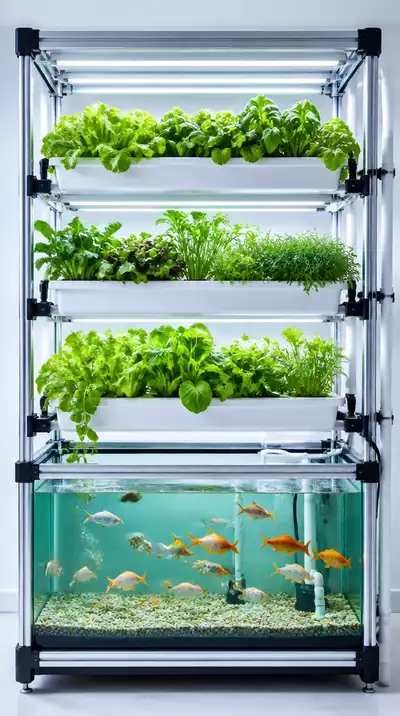
Key components of an aquaponics system include a fish tank, grow beds, water pump, and filtration system.
Aquaponics is often easier to manage than hydroponics, as it relies on a natural ecosystem for nutrient supply and water management.
In the long run, aquaponics can be more cost-effective than hydroponics due to lower ongoing expenses for nutrients.
Choosing aquaponics fosters a more organic approach to plant nutrition, leading to healthier plants and a vibrant ecosystem.
Aquaponics vs. Hydroponics: A Comparative Overview
This visual highlights the key differences and similarities between aquaponics and hydroponics, focusing on operational complexity, cost efficiency, and nutrient solutions. For those new to gardening, understanding these differences is key to getting started with organic gardening effectively.
Aquaponics Vertical Farming
✓Operational Complexity: Self-sustaining ecosystem, more forgiving once established.
✓Nutrient Solutions: Natural nutrients from fish waste and bacteria; organic approach.
Sustainable & Integrated
Understanding Aquaponics Vertical Farming: The Basics
Are you curious about the fascinating world of aquaponics vertical farming? This innovative method combines aquaculture and hydroponics, creating a sustainable system where plants and fish thrive together. As a passionate horticulture enthusiast, I find it incredibly rewarding to explore how this technique allows us to grow food in a more eco-friendly manner while maximizing space and resources.
Aquaponics systems are gaining popularity, especially in urban settings, where traditional gardening space is hard to come by. They offer an exciting opportunity to produce fresh, organic food right at home or in community gardens. Let’s dive into the basics of this sustainable farming approach!
What is Aquaponics Vertical Farming?
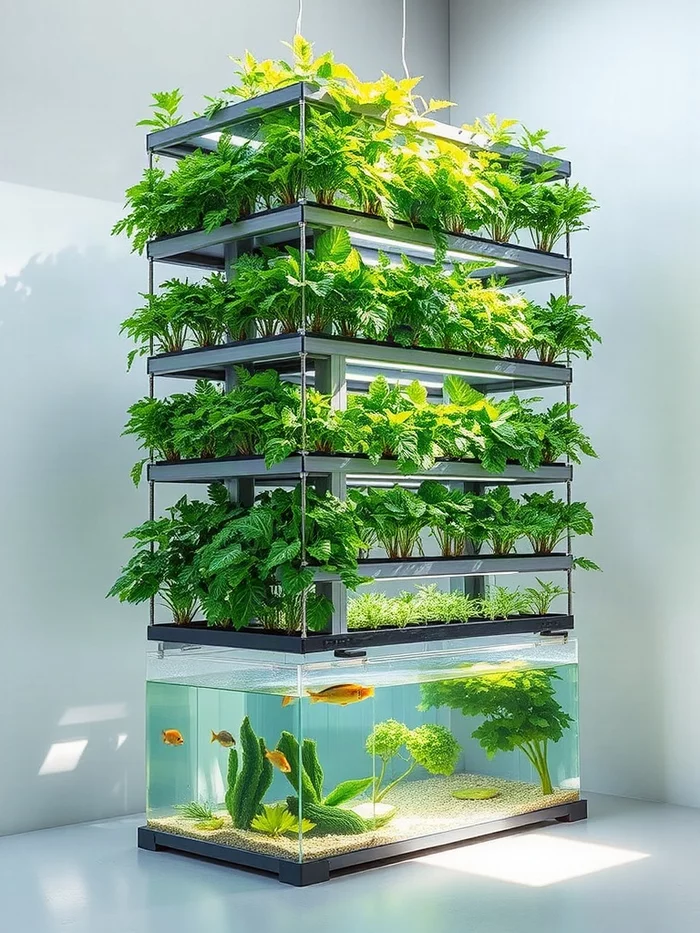
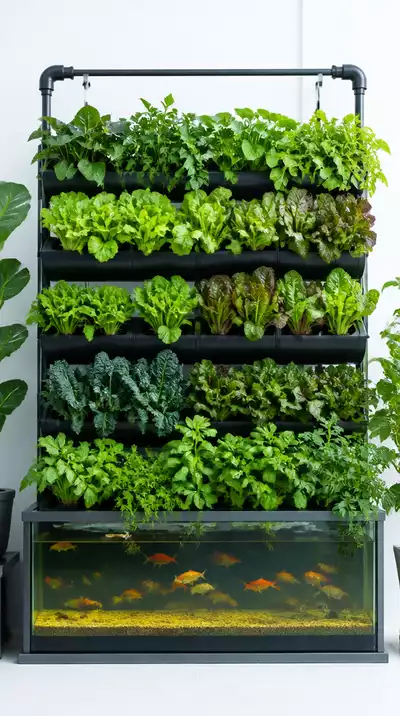
Aquaponics is a food production system that integrates raising fish and growing plants in a symbiotic environment. In simple terms, aquaponics vertical farming is about harnessing the waste produced by fish to nourish plants, which in turn purify the water for the fish. It’s a closed-loop system that mimics natural ecosystems, making it both efficient and sustainable. If you're looking to maximize your growing space, exploring vertical garden benefits can provide even more insights.
This method not only maximizes space but also reduces the need for chemical fertilizers and pesticides, aligning perfectly with my commitment to sustainable gardening practices. Imagine a lush vertical garden flourishing alongside a vibrant fish tank—it's both beautiful and functional!
The Symbiotic Relationship Between Fish and Plants
The relationship in aquaponics is a true win-win scenario. Fish waste, rich in nutrients, serves as food for plants. Meanwhile, plants help filter and clean the water for the fish, creating a healthy environment for both. Let’s break down this relationship:
Fish produce waste: As fish eat, they excrete ammonia, which is converted into nitrates by beneficial bacteria.
Plants absorb nutrients: The nitrates from the fish waste provide essential nutrition for the plants.
Water is recycled: Clean, filtered water returns to the fish tank, making the system efficient and self-sustaining.
This natural cycle is a beautiful example of how we can utilize nature to enhance food production while minimizing our environmental footprint. It's a reminder of the incredible potential we have in our gardens!
Key Components of Aquaponic Systems: An Overview
To get started with aquaponics vertical farming, it’s essential to understand the key components that make up the system. Here’s a quick overview of what you’ll need:
Fish tank: The heart of the system where your fish will live.
Grow beds: Platforms for your plants to grow, typically filled with a growing medium.
Water pump: Responsible for circulating water between the fish tank and grow beds.
Filtration system: Helps keep the water clean for both fish and plants by removing solids and toxins.
These components work together harmoniously to create a thriving aquaponics ecosystem. As you explore this exciting method of farming, think about how you can implement these elements in your own garden or community space!
Pro Tip
To enhance your aquaponics vertical farming experience, consider incorporating companion planting. Pairing certain plants with fish can boost growth and health. For instance, growing basil near your fish tank not only adds flavor to your meals but also helps repel pests and attract beneficial insects!
Comparing Aquaponics Vertical Farming with Hydroponics
Aquaponics and hydroponics are often mentioned together, but they represent two distinct systems for growing plants. At All American Gardeners, we’ve delved deep into both methods to understand their unique characteristics and benefits. Let’s explore how these systems compare in terms of operational complexity, cost efficiency, and nutrient solutions.
Operational Complexity: Which System is Easier to Manage?
When it comes to managing your gardening system, understanding the operational complexity is crucial. In hydroponics, the grower is entirely responsible for nutrient supply, water management, and pH levels. Conversely, aquaponics relies on a natural ecosystem involving fish, plants, and beneficial bacteria.
Hydroponics: Requires careful monitoring of nutrient solutions and water quality.
Aquaponics: Features a self-sustaining cycle where fish waste provides nutrients for the plants, simplifying maintenance.
Both systems require initial setup knowledge, but aquaponics can often be more forgiving once established.
In essence, while hydroponics demands constant attention to nutrient levels, aquaponics offers a more integrated approach, allowing you to focus on both plant and fish health simultaneously!
Cost Efficiency: Analyzing Long-term Viability
When considering your gardening investment, it's important to evaluate long-term costs. Hydroponic systems often require ongoing purchase of nutrient solutions, which can add up over time. On the other hand, aquaponics has the initial expense of fish stocking, but once established, it can become a self-sustaining system. Choosing the right fish for aquaponics is a key step in this initial investment.
Hydroponics: Continual costs for nutrient solutions and system maintenance.
Aquaponics: Initial investment in fish and setup, but lower ongoing costs as fish waste contributes to nutrient supply.
Long-term savings with aquaponics can result from reduced need for fertilizers and water, enhancing its appeal.
Ultimately, while both systems require an initial investment, aquaponics can offer greater savings in the long run due to its natural efficiency. Isn’t it great to think about saving money while also growing delicious plants?
Differences in Nutrient Solutions: Aquaponics vs Hydroponics
The nutrient solutions in hydroponics are carefully mixed chemical fertilizers, which the grower must tailor to each plant's needs. In contrast, aquaponics creates a natural nutrient solution derived from fish waste, enriched by the bacteria that break it down. This leads to a more organic approach to plant nutrition.
Hydroponics: Nutrient solutions must be chemically balanced and adjusted frequently.
Aquaponics: Relies on a living ecosystem to provide nutrients, often resulting in healthier plants.
Using fish waste can foster more vibrant growth and reduce the risk of chemical imbalances.
By choosing aquaponics, you’re not only nurturing plants but also creating a thriving habitat for fish, which many gardeners find rewarding. What's not to love about that?
Frequently Asked Questions about Aquaponics Vertical Farming
Here are some common questions about aquaponics vertical farming:
1. What is aquaponics vertical farming?
Aquaponics vertical farming is a sustainable food production system that combines aquaculture (raising fish) and hydroponics (growing plants without soil). Fish waste provides nutrients for plants, which in turn filter the water for the fish, creating a symbiotic, closed-loop ecosystem.
2. How does aquaponics differ from hydroponics?
The main difference lies in the nutrient source. Hydroponics uses chemically mixed nutrient solutions that require careful monitoring and adjustment. Aquaponics, conversely, relies on natural nutrients derived from fish waste, processed by beneficial bacteria, making it a more organic and self-sustaining system.
3. What are the key components of an aquaponics system?
A typical aquaponics system includes a fish tank (for fish), grow beds (for plants, often with a growing medium), a water pump (to circulate water), and a filtration system (to remove solids and toxins, though biological filtration by plants and bacteria is also key).
4. Is aquaponics easier to manage than hydroponics?
Once established, many find aquaponics easier to manage due to its self-sustaining nature. While both require initial setup knowledge, aquaponics' reliance on a natural ecosystem can simplify ongoing nutrient and water management compared to the precise chemical adjustments needed in hydroponics.
5. Is aquaponics more cost-effective in the long run?
Yes, in the long run, aquaponics can be more cost-effective. Although there might be an initial investment in fish, the ongoing costs are lower as you reduce the need for purchasing chemical fertilizers and often use less water due to the closed-loop system.
Here is a quick recap of the important points discussed in the article:
Aquaponics vertical farming combines aquaculture and hydroponics, creating a sustainable ecosystem for plants and fish.
The symbiotic relationship between fish and plants involves fish waste providing nutrients for plants while plants clean the water for fish.
Key components of an aquaponic system include a fish tank, grow beds, water pump, and filtration system.
Aquaponics is generally easier to manage than hydroponics due to its self-sustaining cycle.
Long-term, aquaponics can be more cost-effective than hydroponics, reducing the need for chemical fertilizers.
Nutrient solutions in aquaponics are derived from fish waste, promoting healthier plant growth compared to chemically balanced solutions in hydroponics.