Cultivate Your Best Garden!

Join Clara M. Greene's community for expert tips and seasonal guides tailored for American gardeners.

Home Aquaponics: A Simple Guide


Home Aquaponics: A Simple Guide

Posted on: 2026-05-04
By: Clara M. Greene


What if you could grow your own vegetables and raise fish at the same time? Aquaponics home systems offer a sustainable way to enjoy gardening while being environmentally friendly. Here’s what you’ll discover about this innovative method!

Aquarium Salinity pH Meter, Digital 5 in 1 Water Quality Tester for Aquaponics, Koi Pond, and Coral Reef Tank Affiliate Link

What You Will Learn

  • Aquaponics combines aquaculture and hydroponics to create a self-sustaining garden ecosystem.
  • The system consists of three main components: fish tanks, grow beds, and a water circulation system.
  • Fish waste provides the necessary nutrients for plants, while plants help purify the water for fish.
  • Aquaponics systems require less water compared to traditional gardening, making them a sustainable choice.
  • Key considerations before starting include space availability, budget, time commitment, and local climate.
  • Researching and joining local gardening communities can enhance your aquaponics journey.

The Aquaponics Home System: An Ecosystem Overview

An aquaponics home system functions through a symbiotic relationship, combining fish tanks, grow beds, and a water circulation system. This visual outlines the key components and their interactions within this sustainable setup. For those looking to delve deeper into the mechanics, exploring understanding the bell siphon mechanism can provide valuable insights into water regulation within these systems.

Fish Tanks: The Foundation

Houses the fish, whose waste becomes the primary nutrient source for the plants. Essential for the system's biological cycle.

Component 1

Grow Beds: Plant Cultivation

Where plants grow, absorbing nutrients from the fish waste and naturally filtering the water, creating a clean environment for the fish.

Component 2

Water Circulation: The Lifeblood

A system of pumps and pipes that continuously moves water between the fish tanks and grow beds, ensuring nutrient delivery and filtration.

Hydroponic Garden Aquaponic Fish Tank Plants Growing System Self-Cleaning Seed Sprouter Tray Affiliate Link
Component 3

Symbiotic Relationship: The Core

The mutual benefit where fish provide nutrients for plants, and plants purify water for fish, forming a closed-loop, sustainable ecosystem.

The Synergy

Understanding Aquaponics Home Systems: A Sustainable Solution

Have you ever thought about combining fish and plants in a garden? That’s exactly what aquaponics home systems do! Aquaponics is a sustainable method that merges aquaculture (raising fish) with hydroponics (growing plants in water). This self-sustaining garden setup allows us to produce food while conserving water and eliminating the need for chemical fertilizers. It’s a win-win for both our plates and the planet!

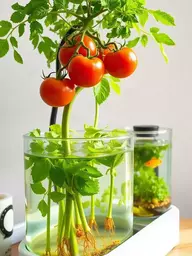
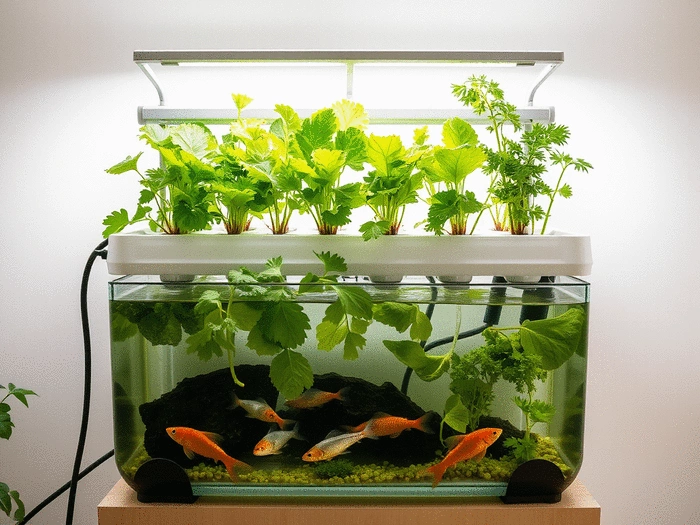
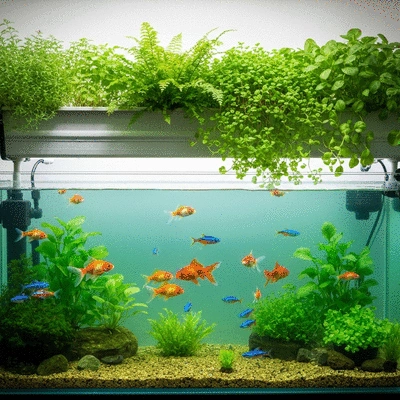
Close-up of a home aquaponics system with fish swimming and plants growing above the water in a clear tank

As a passionate gardener, I can tell you that aquaponics is not just a trend; it’s a revolution in how we approach gardening. By creating a closed-loop system, you can grow a variety of vegetables and herbs alongside fish, resulting in a garden that nurtures itself. If you're looking for a unique gardening experience, aquaponics might just be your new favorite method!

What is an Aquaponics Home System?

An aquaponics home system consists of three main components: fish tanks, grow beds, and a water circulation system. Fish waste provides an organic nutrient source for the plants, which in turn purify the water for the fish. This symbiotic relationship is the essence of aquaponics. It's fascinating how nature works together, isn’t it?

  • Fish Tanks: Houses the fish that produce waste.
  • Grow Beds: Where plants grow, absorbing nutrients from the fish waste.
  • Water Circulation System: Moves water between the fish tanks and grow beds, ensuring everything stays balanced.

Setting up an aquaponics system can be a rewarding project that enhances your gardening skills. Plus, you’ll find that it requires less water than traditional gardening methods, making it a sustainable choice for modern gardeners! For those ready to start, a guide to getting started with aquaponics can provide essential first steps.

The Science Behind Aquaponics Ecosystems

In aquaponics, the synergy between fish and plants is the key to success. Fish excrete waste that contains ammonia, which is toxic to them but perfect for plants. Helpful bacteria convert this ammonia into nitrites and then nitrates, which plants readily absorb. This natural process cleans the water for the fish, creating a balanced and flourishing ecosystem.

Pro Tip

Did you know? Incorporating companion planting into your aquaponics system can significantly enhance growth and pest resistance. For instance, pairing basil with tomatoes not only improves flavor but also helps repel harmful insects. Experimenting with different plant combinations can lead to a more vibrant and productive garden!

Conclusion: Is an Aquaponics Home System Right for You?

In considering an aquaponics home system, it's essential to reflect on both the benefits and the challenges it presents. These systems offer a sustainable way to produce food, combining fish farming with plant cultivation in a harmonious cycle. This method not only maximizes space but also yields fresh vegetables and fish right from your home!

MFYDPP Hydroponics Growing System, 12 Pods Indoor Herb Garden with LED Grow Light and Aquaponic Fish Tank Affiliate Link

However, it’s vital to evaluate your personal circumstances and gardening goals. Here are some factors to consider:

  • Space Availability: Do you have enough room for a setup, whether indoors or outdoors?
  • Budget: Are you prepared for the initial investment and ongoing maintenance costs?
  • Time Commitment: Are you ready to dedicate time to manage your aquaponics system effectively?
  • Local Climate: Does your region's climate support the plants and fish you wish to grow?
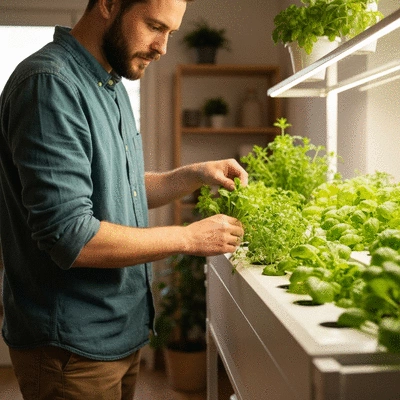
A person tending to a small, thriving indoor aquaponics system, harvesting fresh herbs

Taking the time to evaluate these aspects can help you determine if an aquaponics system aligns with your lifestyle and gardening ambitions. Remember, gardening is a journey, and every step you take brings you closer to a thriving green space!

Frequently Asked Questions About Aquaponics Home Systems

What is an aquaponics home system?
An aquaponics home system combines aquaculture (raising fish) with hydroponics (growing plants in water) in a self-sustaining, closed-loop system. Fish waste provides nutrients for plants, and plants filter the water for fish.
What are the main components of an aquaponics system?
The three main components are fish tanks (where fish are housed), grow beds (where plants grow), and a water circulation system (which moves water between the tanks and beds).
How does the symbiotic relationship work in aquaponics?
Fish produce waste containing ammonia. Beneficial bacteria convert this ammonia into nitrites and then nitrates, which are absorbed by plants as nutrients. This process naturally cleans the water for the fish.
What are the benefits of using an aquaponics system?
Aquaponics systems are sustainable, conserve water compared to traditional gardening, eliminate the need for chemical fertilizers, and allow for simultaneous production of fish and vegetables.
What should I consider before starting an aquaponics home system?
Key considerations include available space (indoors or outdoors), initial budget and ongoing maintenance costs, the time commitment required for management, and whether your local climate supports the types of fish and plants you wish to grow.

Get Started on Your Aquaponics Journey Today

Ready to embark on your aquaponics adventure? Whether you're eager to dive into product research, kick off a DIY project, or tap into local gardening communities, the possibilities are endless! Consider starting with a few foundational steps:

  • Research: Explore reputable aquaponics systems and compare features to find what suits you best.
  • Learn: Watch tutorials or read guides to get a better understanding of system setup.
  • Connect: Join local gardening groups or online forums to share experiences and gather tips. For some great ideas on what to grow, check out our guide on plants in aquaponics systems.

At All American Gardeners, we're here to support you every step of the way! Let's cultivate a love for gardening together, ensuring you have the resources you need to create a successful aquaponics system that works for you!

Recap of Key Points

Here is a quick recap of the important points discussed in the article:
Aquaponics Design Plans, Construction, Operation, and Income: Organic Food by David H. Dudley Affiliate Link
  • Aquaponics combines aquaculture and hydroponics to create a self-sustaining garden system.
  • The main components of an aquaponics system are fish tanks, grow beds, and a water circulation system.
  • Benefits of aquaponics include water conservation and the elimination of chemical fertilizers.
  • Consider your space availability, budget, time commitment, and local climate before setting up an aquaponics system.
  • Start your aquaponics journey by researching systems, learning about setup, and connecting with local gardening communities.

Subscribe & Share
Growing Lemon Thyme at Home Growing Lemon Thyme at Home Have you ever considered how a single herb can transform your culinary experiences and beautify your
Understanding Hydroponic Tower Gardening Understanding Hydroponic Tower Gardening Have you ever considered how a simple structure could transform your gardening experience? Hydroponi
Heirloom Seeds for Your Garden Heirloom Seeds for Your Garden What if your garden could tell a story? Heirloom seeds not only flourish under the sun but also carr
Eco-Friendly Lawn Fertilizer Options Eco-Friendly Lawn Fertilizer Options When it comes to nourishing your lawn, the switch to organic fertilizers might be the most significa
Mulch for Healthy Plants Mulch for Healthy Plants Did you know that mulching not only enhances the beauty of your garden but also plays a pivotal role
Easy Perennials for Your Zone Easy Perennials for Your Zone Have you ever considered how the right plants can transform your garden into a lush paradise? Unders
Banner
All American Gardeners

Your premier online resource for mastering home gardening across the U.S. We empower American home gardeners with expert tips, step-by-step guides, and sustainable practices for thriving outdoor spaces.

Trusted by gardeners nationwide, our mission is to provide reliable, easy-to-follow insights backed by Clara M. Greene's extensive horticulture experience and practical advice.

Cultivate Your Garden
Recent Posts
Growing Lemon Thyme at Home Growing Lemon Thyme at Home

Have you ever considered how a single herb can tra

Understanding Hydroponic Tower Gardening Understanding Hydroponic Tower Gardening

Have you ever considered how a simple structure co

Heirloom Seeds for Your Garden Heirloom Seeds for Your Garden

What if your garden could tell a story? Heirloom s

Gardening Wisdom from All American Gardeners