Water Level Rises: Fills grow bed.
Understanding the Bell Siphon Mechanism
Posted on: 2026-02-27
By: Clara M. Greene
Have you ever wondered how you can significantly enhance both the health of your plants and the efficiency of your aquaponics system? Understanding the role of a bell siphon could be the game-changer you need in your gardening journey.
What You Will Learn
- A bell siphon automates the flood-and-drain cycle, reducing manual labor while ensuring effective water management.
- The intermittent water flow provided by bell siphons is crucial for optimal root oxygenation and nutrient absorption.
- Understanding the differences between aquaponics and hydroponics helps to highlight the unique benefits of using bell siphons in aquaponics systems.
- Regular maintenance of your bell siphon system is key to longevity, improving efficiency and preventing potential issues.
- Measuring the efficiency of your setup through specific metrics can lead to better water management and healthier plants.
- Implementing effective water management strategies can enhance resource conservation and promote a thriving ecosystem.
Understanding the Bell Siphon Cycle and Maintenance
This visual outlines the key stages of a bell siphon's flood-and-drain cycle and essential maintenance practices for optimal aquaponics system performance. For those new to sustainable gardening, understanding these principles is as vital as learning about organic gardening tips for beginners.
Bell Siphon Flood-and-Drain Cycle
Reaches Bell Top: Triggers siphon action.
Rapid Drainage: Empties grow bed.
Water Level Drops: Below bell, cycle ends & repeats.
Bell Siphon Maintenance Practices
Inspect for wear, damage, debris.
Clean monthly to remove buildup.
Check plumbing connections for leaks.
Monitor water level and quality.
Understanding the Functionality of a Bell Siphon in Aquaponics
As a gardening enthusiast, I can’t emphasize enough how vital understanding the functionality of a bell siphon is for aquaponics! A bell siphon is a clever device that creates a flood-and-drain cycle, enabling efficient water management in your aquaponic system. But how does it work? Let’s dive in!
What is a Bell Siphon and How Does It Work?
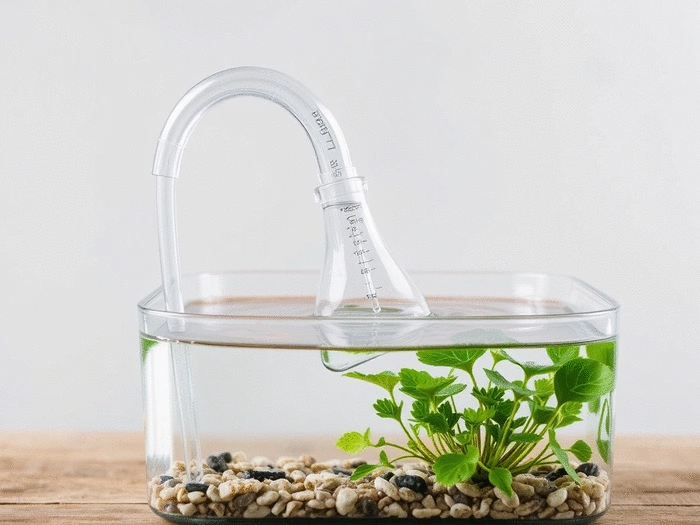
A bell siphon consists of a bell-shaped cover that sits over a standpipe, which is submerged in water. When the water level rises, it eventually reaches the top of the bell, causing the siphon action to trigger. This leads to rapid drainage, emptying the grow bed until the water level drops below the bell. This cycle repeats, providing intermittent water flow that is essential for plant health.
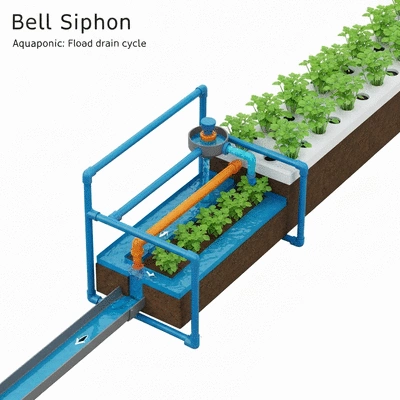
The mechanics behind a bell siphon can be fascinating. It creates an automated process, which means less manual work for you! The flood-and-drain cycle not only provides nutrients to your plants but also allows for effective aeration of the roots. It’s like giving your plants a refreshing drink while ensuring they can breathe!
The Role of Bell Siphons in Optimal Plant Growth
So, why should you consider adding a bell siphon to your aquaponics setup? One key reason is the intermittent water flow it provides. This flow allows for root oxygenation, which is crucial for healthy plant development. When roots are submerged for certain periods, they can absorb nutrients effectively, and when they are exposed to air, they can breathe and grow stronger. This process is key to promoting healthy growth, much like understanding essential plant care tips for home gardeners.
- Improved nutrient uptake
- Enhanced root oxygenation
- Reduction of anaerobic conditions
All these factors contribute to thriving plants that produce bountiful yields! Trust me, as you implement bell siphons, you’ll witness the difference it can make in your gardening journey.
Comparing Aquaponics and Hydroponics: The Role of Bell Siphons
Now, let’s take a moment to explore how bell siphons function differently in aquaponics compared to hydroponics. In aquaponics, bell siphons help manage waste produced by fish, which is converted into nutrients for plants. This symbiotic relationship is vital for a sustainable garden.
On the other hand, hydroponics systems primarily rely on nutrient solutions without the fish component. While both systems benefit from water cycling, aquaponics with bell siphons adds a layer of complexity and sustainability that can enhance your gardening experience.
Building Your Own Bell Siphon: A Step-by-Step Guide
Ready to get your hands dirty? Building your own bell siphon can be a rewarding project. Stay tuned for our upcoming sections where I’ll share everything you need to know!
Pro Tip
Did you know? Regularly monitoring the water quality in your aquaponics system is just as crucial as maintaining the bell siphon. Clean, clear water not only enhances nutrient uptake but also supports fish health. Invest in a good water testing kit to ensure your plants and fish thrive together!
Frequently Asked Questions About Bell Siphons in Aquaponics
What is a bell siphon and how does it work?
A bell siphon is a device used in aquaponics to automate the flood-and-drain cycle. Water fills a grow bed, and when it reaches a certain level, the bell siphon triggers, rapidly draining the water until the level drops below the bell, then the cycle repeats. This intermittent flow is crucial for plant health.
Why is intermittent water flow important for plant roots?
Intermittent water flow allows for critical root oxygenation. When roots are submerged, they absorb nutrients; when exposed to air, they breathe and grow stronger, preventing anaerobic conditions and promoting overall plant health.
How does a bell siphon benefit an aquaponics system specifically?
In aquaponics, bell siphons efficiently manage water by automating the flood-and-drain cycle, which is essential for delivering nutrients from fish waste to plants while ensuring roots get adequate oxygen. This contributes to a sustainable and symbiotic system.
What are the key maintenance tips for a bell siphon?
Key maintenance tips include inspecting for wear and damage, cleaning out debris and sediment monthly, checking plumbing connections for leaks, and periodically testing the system to ensure it engages and disengages properly. Monitoring water level and quality is also important.
How can I measure the efficiency of my bell siphon setup?
You can measure efficiency by evaluating key metrics such as cycle time (how long it takes to fill and drain), water level consistency, nutrient delivery effectiveness, and oxygenation levels at the roots. Regular evaluation allows for informed adjustments.
Maintaining Your Bell Siphon System for Longevity
Keeping your bell siphon system well-maintained is essential for ensuring its longevity and reliable performance. Just like tending to your plants in the garden, regular upkeep can save you headaches down the line! Here are some best practices to consider:
- Check the bell and standpipe for any signs of wear or damage.
- Clean out any debris or sediment that may accumulate over time.
- Inspect the plumbing connections to ensure there are no leaks.
- Test the system periodically to confirm that it engages and disengages properly.
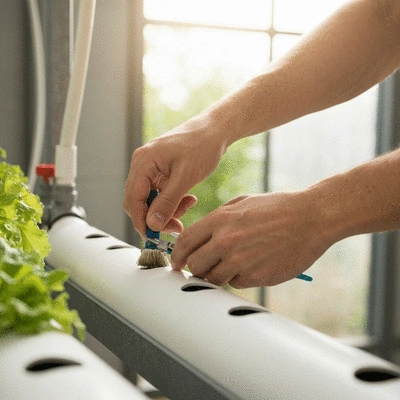
By following these simple steps, you can prevent common issues from arising and keep your bell siphon functioning smoothly. Remember, prevention is always better than a fix!
Regular Maintenance Tips to Ensure Reliability
In addition to the basic upkeep, here are some more specific maintenance tips that I find helpful:
- Flush your siphon system with clean water monthly to remove buildup.
- Adjust the height of the bell siphon if you notice it’s not draining effectively.
- Monitor the water level in your grow bed to ensure it’s at the optimal depth.
- Keep a close eye on water quality, checking for any signs of algae or contamination.
Staying proactive about these maintenance tasks will contribute significantly to the efficiency and reliability of your aquaponic system. You’ll be rewarded with healthier plants and a more productive setup!
Evaluating Cycle Efficiency with Metrics
Understanding how to measure the efficiency of your bell siphon setup can lead to better water management and plant health. Here are some key metrics to consider:
- Cycle time: Measure the time it takes for the siphon to fill and drain completely.
- Water level consistency: Check if the water levels remain stable during the cycles.
- Nutrient delivery: Assess how well nutrients are being dispersed to the plants.
- Oxygenation levels: Ensure roots receive adequate oxygen through consistent water flow.
Regularly evaluating these metrics allows you to make informed adjustments to your system. This means healthier plants and better overall performance!
Enhancing Water Management Strategies in Aquaponics
Effective water management is crucial in aquaponics. Not only does it help conserve resources, but it also promotes a healthy ecosystem for your plants and fish. Here are some techniques for effective water management:
- Implement a water conservation plan to minimize waste.
- Utilize circular water systems to recycle nutrients and water efficiently.
- Integrate rainwater collection systems to supplement your water supply.
- Regularly test water parameters to maintain optimal conditions for both plants and fish.
By enhancing your water management strategies, you’ll create a more sustainable and productive environment. It's all about working smarter, not harder! For more advanced techniques, you might want to explore growing greens with aeroponic towers.
Recap of Key Points
Here is a quick recap of the important points discussed in the article:
- A bell siphon creates a flood-and-drain cycle, essential for efficient water management in aquaponics.
- Intermittent water flow from the siphon improves root oxygenation and nutrient uptake, promoting healthy plant growth.
- Regular maintenance, including checking for wear and cleaning debris, ensures the longevity and reliability of the bell siphon system.
- Evaluating cycle efficiency through metrics like cycle time and water level consistency helps optimize system performance.
- Effective water management strategies, such as recycling water and collecting rainwater, enhance sustainability in aquaponics.

2026-08-28
Growing Herbs with Hydroponics
 Why settle for store-bought herbs when you can grow your own at home, in any space? Hydroponic garde
2026-08-27
Growing Sweet Corn from Seeds
 Ready to transform your gardening experience? Selecting the right sweet corn seeds can make all the
2026-08-27
Growing Aquaponic Tomatoes at Home
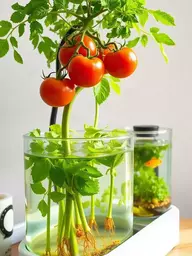 Imagine harvesting juicy, flavorful tomatoes while actively contributing to sustainable agriculture.
2026-08-25
Soil Choices for Healthy Rosemary
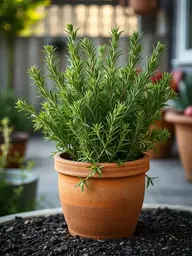 What if I told you that the secret to growing robust rosemary lies in the soil beneath your feet? Un
2026-08-23
Exploring Hydroponic Greenhouse Benefits
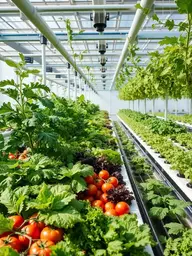 Have you ever wondered how innovative techniques in gardening can reshape our food production? Hydro
2026-08-22
Growing Your Own Garlic Bulbs
 As you prepare to embark on your journey of growing garlic, consider this: garlic cultivation isn't