Starting Your Backyard Aquaponics Garden
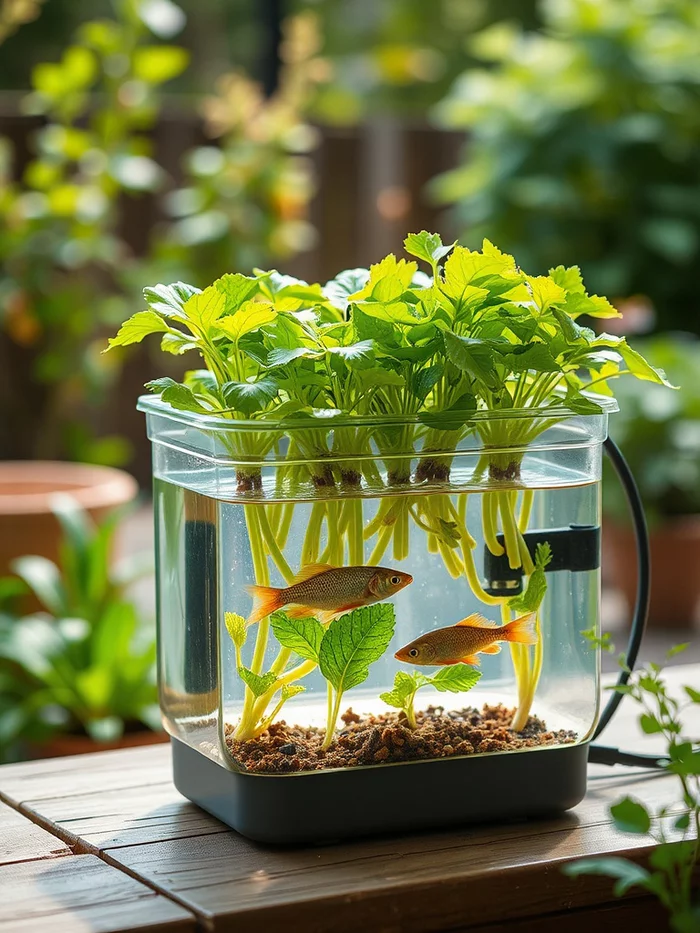
Posted on: 2026-07-27
By: Clara M. Greene
Did you know that aquaponics can transform your backyard into a self-sustaining ecosystem? This innovative method combines fish farming and plant cultivation to create a harmonious environment that benefits both. If you're eager to learn more about this sustainable gardening practice, read on!
What You Will Learn
- Understanding the concept of aquaponics and its benefits for sustainable gardening.
- Key components required to set up a backyard aquaponics system, including fish tanks and grow beds.
- The importance of the symbiotic relationship between fish, plants, and beneficial bacteria in aquaponics.
- Tips for choosing the right fish and plants for a successful aquaponics garden.
- An overview of different types of aquaponics systems to help you pick the best fit for your space.
The Aquaponics Ecosystem: A Symbiotic Cycle
Aquaponics integrates fish and plants into a closed-loop system, promoting sustainability and efficient food production. This visual illustrates the core components and relationships within a typical backyard aquaponics setup. For a deeper dive into setting up your own system, check out our guide on setting up backyard aquaponics.
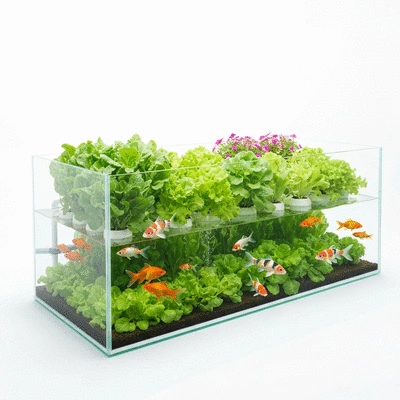
Components of an Aquaponics System
- •Fish tanks: Aquatic habitat
- •Grow beds: Plant cultivation
- •Pumps: Water circulation
- •Biofilters: Water purification
Symbiotic Relationship Flow
1. Fish Waste: Provides nutrients for plants.
2. Bacteria: Converts waste to plant-absorbable forms.
3. Plants: Absorb nutrients, filter water.
4. Clean Water: Returns to fish tank.
Best Small-Scale Fish & Plant Pairings
- •Tilapia & Basil
- •Tilapia & Lettuce
- •Catfish & Swiss Chard
Aquaponics System Types
- •Media Beds: Gravel/clay pellets
- •Nutrient Film Technique (NFT): Thin water film
- •Raft Systems: Plants float on water
- •Vertical Systems: Space-saving design
Understanding the Basics of Backyard Aquaponics
Are you curious about how to create a self-sustaining garden right in your backyard? Backyard aquaponics might be the answer! This innovative system combines aquaculture (raising fish) and hydroponics (growing plants in water) to create a thriving ecosystem. In essence, aquaponics mimics nature by allowing fish and plants to work together harmoniously, providing both food and a sustainable gardening solution.
Aquaponics is not just a trend; it's a sustainable practice that helps reduce waste and conserve water. By using fish waste as a nutrient source for the plants, and in return, the plants help filter and purify the water for the fish, you create a closed-loop system that can yield fresh produce and fish right at home!
What is Backyard Aquaponics?
Backyard aquaponics is a method of growing food that utilizes the synergy between fish and plants. In this system, fish are raised in a tank, and their waste is converted into nutrients that promote the growth of plants. This not only supports healthy plant development but also ensures that the water stays clean for the fish. As someone who has spent years nurturing gardens, I can confidently say that aquaponics is a rewarding way to engage with nature! For a comprehensive guide to getting started, check out our article on getting started with aquaponics.
- Fish tanks: Where your aquatic friends live and thrive.
- Grow beds: Where your plants will flourish, receiving nutrients from the fish waste.
- Pumps: Essential for circulating water between the fish tank and grow beds.
- Biofilters: These help filter the water, keeping it clean and promoting a healthy environment.
With the right setup, you can enjoy a variety of fish and plants, all while maintaining a low environmental impact. It’s an exciting way to bring sustainability to your gardening practice!
The Symbiotic Relationship in Aquaponics
At the heart of an aquaponics system lies a symbiotic relationship between fish, plants, and beneficial bacteria. Fish produce waste, which contains essential nutrients. Beneficial bacteria break down this waste into forms that plants can absorb, creating a nutrient-rich environment for plant growth. It’s a beautiful cycle where everyone benefits!
This interaction means that healthy fish lead to healthy plants, and vice versa. If you’re looking to start your own system, consider what types of fish and plants will complement each other. For example, tilapia and basil are a classic pairing that many gardeners find successful. By promoting this connection, you not only grow food but also learn a lot about ecosystems and sustainability!
Planning Your Backyard Aquaponics System
Ready to get started? The first step is planning your backyard aquaponics system. This is where the fun begins! Here are some key considerations to keep in mind:
- Location: Look for a spot that receives plenty of sunlight—around 6-8 hours a day is ideal.
- Accessibility: Ensure your setup is easy to access for maintenance and harvesting.
- Space: Consider how much room you have for the fish tank, grow beds, and equipment.
By taking these factors into account, you can create a successful aquaponics garden that will thrive for years to come! Remember, planning is key, and I’m always here to help you along the way.
Choosing the Right Components for Your Setup
Now that you’ve evaluated your space, it’s time to gather the components for your aquaponics setup. Here’s a comprehensive parts list to get you started on this exciting project:
- Fish tank: A suitable size depending on the number of fish you want to raise.
- Grow beds: Utilize containers that fit your available space.
- Pumps: Essential for water circulation—consider getting a solar pump for energy efficiency!
- Biofilters: To maintain water cleanliness and promote beneficial bacteria.
This list covers the essentials, but feel free to explore additional components like aeration systems and water testing kits. Each piece plays a crucial role in creating a successful Aquaponics system that serves your gardening needs. If you're also interested in other water-based growing methods, a beginner's guide to starting hydroponics can offer valuable insights too.
Did You Know?
According to a study by the University of Arizona, aquaponics systems can produce up to 10 times more food per square foot than traditional farming methods. This means that with the right setup, you can maximize your harvest while minimizing your environmental impact!
Making Informed Choices for Your Backyard Aquaponics Journey
Embarking on your aquaponics journey is incredibly exciting! With so many options available, making informed choices about the fish and plants you use is essential for a thriving ecosystem. Let's dive into the best pairings that will help you maximize your backyard aquaponics system.
Best Fish and Plant Pairings for Small-Scale Systems
Choosing compatible fish and plants is a crucial step in ensuring your backyard aquaponics system flourishes. Some popular combinations include:
- Tilapia: These hardy fish are forgiving and adapt well to various conditions. They thrive in warmer water, making them perfect for many U.S. climates.
- Basil: This fragrant herb pairs beautifully with tilapia and grows well in aquaponics due to its nutrient requirements.
- Lettuce: Fast-growing and nutrient-hungry, lettuce is another ideal choice that complements tilapia effectively.
- Catfish: If you're looking for a unique twist, catfish are bottom feeders that work well in systems with leafy greens like Swiss chard.
By selecting these compatible species, you'll create a healthy symbiotic environment where both fish and plants thrive together, contributing positively to your garden.
Comparing Different Aquaponics System Types
When you're ready to set up your aquaponics system, understanding the different types available can help you make the right choice for your needs. Here’s a quick overview of several popular systems:
- Media Beds: These systems use a growing medium like gravel or clay pellets, allowing for excellent support and aeration for your plants.
- Nutrient Film Technique (NFT): With NFT systems, a thin film of nutrient-rich water flows over plant roots, ensuring they receive constant nutrients while saving space.
- Raft Systems: In raft systems, plants float on a raft above water containing nutrients. This method is particularly effective for leafy greens.
- Vertical Systems: These utilize vertical space, making them ideal for small backyards. They can accommodate a variety of plants while enhancing accessibility.
Each of these systems has its own benefits, and the right choice will depend on your specific space and gardening goals. By understanding them better, you can set yourself up for success in your aquaponics adventure!
Frequently Asked Questions About Backyard Aquaponics
Q1: What is aquaponics?
Aquaponics is a sustainable food production system that combines aquaculture (raising fish) and hydroponics (growing plants in water) in a symbiotic, closed-loop environment. Fish waste provides nutrients for plants, which in turn filter the water for the fish.
Q2: What are the main benefits of backyard aquaponics?
The primary benefits include reduced water consumption, efficient food production (up to 10 times more food per square foot than traditional farming), minimal waste, and the ability to grow both fresh fish and produce at home in a sustainable manner.
Q3: What components do I need to start a backyard aquaponics system?
Essential components include a fish tank (for the aquatic habitat), grow beds (for plant cultivation), pumps (for water circulation), and biofilters (for water purification and nutrient conversion).
Q4: How does the symbiotic relationship work in aquaponics?
Fish produce waste containing ammonia. Beneficial bacteria convert this ammonia first into nitrites and then into nitrates, which are readily absorbed by plants as nutrients. The plants then clean the water, which is recirculated back to the fish tank.
Q5: What are some good fish and plant pairings for small-scale aquaponics?
Popular and effective pairings include Tilapia with Basil or Lettuce, and Catfish with leafy greens like Swiss Chard. These combinations are chosen for their compatibility in nutrient requirements and environmental needs.
Q6: What are the different types of aquaponics systems?
Common types include Media Beds (using gravel or clay pellets), Nutrient Film Technique (NFT) where a thin film of water flows over roots, Raft Systems where plants float on water, and Vertical Systems that save space by growing plants vertically.
Recap of Key Points
Here is a quick recap of the important points discussed in the article:
- Backyard aquaponics combines aquaculture and hydroponics, creating a sustainable ecosystem.
- A successful aquaponics system requires a fish tank, grow beds, pumps, and biofilters.
- The symbiotic relationship between fish, plants, and beneficial bacteria is key for nutrient cycling.
- Choosing compatible fish and plant pairings, such as tilapia with basil, enhances system productivity.
- Planning the location, accessibility, and space for your aquaponics setup is crucial for success.
- Different system types, like media beds and NFT, offer various benefits depending on your gardening goals.
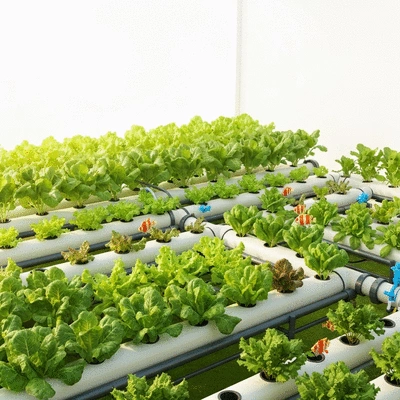
Final thoughts and considerations for setting up your aquaponics system.

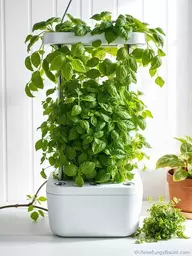 Why settle for store-bought herbs when you can grow your own at home, in any space? Hydroponic garde
 Ready to transform your gardening experience? Selecting the right sweet corn seeds can make all the
 Imagine harvesting juicy, flavorful tomatoes while actively contributing to sustainable agriculture.
 What if I told you that the secret to growing robust rosemary lies in the soil beneath your feet? Un
 Have you ever wondered how innovative techniques in gardening can reshape our food production? Hydro
 As you prepare to embark on your journey of growing garlic, consider this: garlic cultivation isn't