Understanding Aquaponics Water Systems
Posted on: 2026-07-16
By: Clara M. Greene
As you embark on your journey into sustainable gardening, have you considered how water plays a crucial role in nurturing both plants and fish? Understanding aquaponics could transform your approach to gardening.
What You Will Learn
- Aquaponics combines aquaculture and hydroponics, creating a self-sustaining ecosystem.
- Fish waste serves as a natural fertilizer, providing essential nutrients to plants.
- The closed-loop water cycle is vital for nutrient balance, ensuring both fish and plants thrive.
- Aquaponic systems can use up to 90% less water than traditional farming methods, promoting sustainability.
- Choosing the right fish species is crucial for the health of your aquaponics system.
- Organic gardening principles are naturally integrated into aquaponics, avoiding synthetic fertilizers and pesticides.
- Engagement with the aquaponics community can enhance your learning and gardening experience.
The Efficiency of Aquaponics: Water Usage Comparison and Key Components
Aquaponics dramatically reduces water consumption compared to traditional agriculture while creating a harmonious, self-sustaining ecosystem. Key components drive this innovative farming method. To learn more about setting up your own system, check out our guide on setting up aquaponics systems.
Water Efficiency Comparison
Less water used than traditional farming methods.
Aquaponics significantly conserves water resources.
Aquaponics System: Closed-Loop Process
- 1 Fish produce waste (nutrients).
- 2 Water carries nutrients to plants.
- 3 Plants filter water for fish.
- 4 Clean water returns to fish tank.
Common Fish Species & Traits
Tilapia: Hardy and fast-growing.
Catfish: Adaptable to various environments.
Trout: Prefers cooler water temperatures.
Environmental Impact: Benefits
- ✔️ Reduced water wastage.
- ✔️ Lower energy consumption.
- ✔️ Minimized chemical runoff.
- ✔️ Encouragement of biodiversity.
Understanding Aquaponics Water: The Heart of the System
Aquaponics is a fascinating sustainable farming method that merges aquaculture (raising fish) with hydroponics (growing plants in water). This innovative system relies heavily on water, as it acts as the lifeblood that facilitates nutrient exchange between fish and plants. Without water, this symbiotic relationship wouldn’t thrive, making it essential for any successful aquaponics operation!
In essence, aquaponics creates a harmonious ecosystem where both fish and plants support each other’s growth. By understanding the role of water in this system, we can better appreciate its importance in cultivating a flourishing garden.
What is Aquaponics and Why is Water Essential?
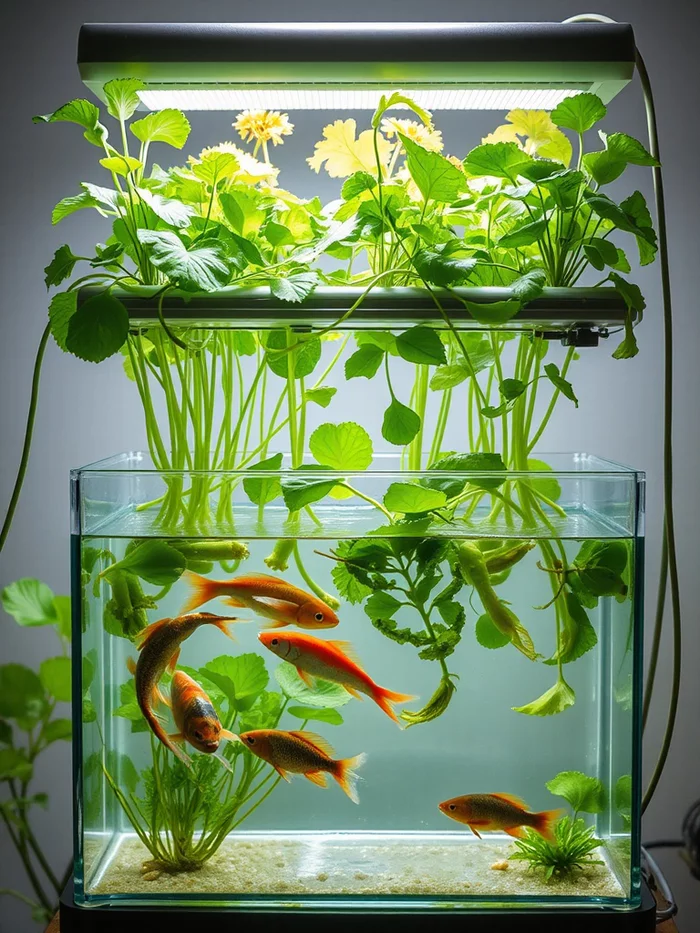
The heart of aquaponics lies in its ability to create a self-sustaining environment. Water not only transports nutrients but also helps in waste management. As fish produce waste, it decomposes and releases nutrients that plants use for growth. In return, the plants filter the water, keeping it clean for the fish. This beautiful cycle is what makes aquaponics both efficient and eco-friendly! For a deeper dive into how these systems work, read our article on understanding aquaponics systems simply.
- Combines aquaculture and hydroponics
- Nutrients from fish waste nourish plants
- Plants purify water for fish health
It's like having a mini-ecosystem right in your backyard! Understanding this relationship can help you make informed decisions in your aquaponics journey.
The Closed-Loop Water Cycle in Aquaponics
In an aquaponic system, water is continually recirculated, creating a closed-loop water cycle. This means that once water is used, it doesn’t just disappear— it returns to the fish tank after filtering through the plants. This cycle is vital for maintaining the nutrient balance and ensuring both fish and plants are thriving.
As water moves through the system, it carries essential nutrients from fish waste to the roots of plants. The plants’ natural filtration processes then clean the water, making it safe for the fish. This closed-loop system is not only sustainable but also incredibly efficient!
Exploring the Role of Aquaculture in Aquaponic Systems
Aquaculture plays a pivotal role in aquaponics. The choice of fish species can significantly impact the overall health of the system. Commonly used fish such as tilapia, catfish, and trout provide the nutrients needed for plant growth while being relatively easy to care for.
- Tilapia: Hardy and fast-growing
- Catfish: Adaptable to various environments
- Trout: Prefers cooler water temperatures
Each species contributes differently to the nutrient cycle, so it’s essential to choose wisely based on your local climate and system design. By selecting the right fish, you can enhance your aquaponics system and create a thriving garden!
Maximizing Water Efficiency in Aquaponics
One of the most significant advantages of aquaponics is its water efficiency. As I’ve learned through my experience at All American Gardeners, aquaponics systems can use about 90% less water than traditional farming methods. This remarkable conservation not only benefits your garden but also positively impacts the environment!
By understanding how to maximize water usage in your aquaponics setup, you can create a sustainable environment that supports healthy plant and fish growth while minimizing waste.
Pro Tip
To further enhance the efficiency of your aquaponics system, consider implementing a rainwater harvesting system. This not only provides an eco-friendly water source but also reduces your dependence on municipal water, making your aquaponics setup even more sustainable!
Frequently Asked Questions (FAQs)
Summarizing the Benefits of Aquaponics Water Systems
As we dive into the world of aquaponics, it’s clear that this innovative farming method is not just a passing trend. The environmental impact of efficient water use is significant! Aquaponics systems drastically reduce water consumption, using up to 90% less water compared to traditional farming methods. This sustainable approach not only helps conserve precious resources but also promotes a healthier ecosystem by minimizing runoff and pollution.
By combining aquaculture with hydroponics, aquaponics systems create a self-sustaining environment that benefits both the fish and the plants. When we practice aquaponics, we are making a conscious effort to support sustainable agriculture, which is crucial for our planet’s future!
The Environmental Impact of Efficient Water Use
- Reduced water wastage compared to conventional methods
- Lower energy consumption due to less need for irrigation
- Minimized chemical runoff, protecting local ecosystems
- Encouragement of biodiversity through integrated farming
The ecological advantages of aquaponics water systems extend far beyond just saving water. They represent a step towards a more sustainable way of living and gardening! By embracing these systems, we're investing in a healthier planet and cultivating a love for nature.
Exploring the Benefits of Organic Gardening in Aquaponic Systems
One of the most exciting aspects of aquaponics is its alignment with organic gardening principles. Unlike conventional farming, aquaponics does not rely on synthetic fertilizers or pesticides. Instead, it utilizes the natural nutrient cycle between fish and plants, which not only nourishes your crops but also promotes a more wholesome gardening experience.
With aquaponics, you can enjoy the taste of fresh, organic produce straight from your home garden! Growing your own food without harmful chemicals is not only healthier for you but also safer for the environment. This harmonious relationship between aquatic life and plant growth fosters a thriving ecosystem that benefits everyone involved.
Preparing for Success in Your Aquaponics Journey
As you embark on your aquaponics adventure, remember that understanding how to manage water effectively is key to your success. By leveraging the insights shared throughout this article, you can create an optimal growing environment for both your plants and fish. Consider starting small and gradually expanding your system as you gain more experience, and don't forget to implement organic gardening tips for beginners.
Remember, every great gardener begins their journey somewhere! Embrace the challenges, learn from them, and celebrate your achievements along the way. With dedication and the right knowledge, your aquaponics garden can flourish, providing you with fresh food and a deeper connection to nature.
Join the Aquaponics Community Today
Get Involved and Share Your Experiences
Now that you have a solid understanding of aquaponics water systems, it’s time to dive deeper into the community! I invite you to participate in discussions, share your aquaponics experiences, and ask questions. Connecting with fellow gardeners can provide valuable insights and support as you continue to grow your system.
Stay Informed with Aquaponics Resources
Don’t forget to subscribe to All American Gardeners for updates, tips, and resources. Staying informed about the latest aquaponics practices and innovations can help you make the most of your gardening experience! Whether you are a novice or a seasoned pro, there’s always something new to learn.
Engaging in Aquaponic Workshops and Education Programs
Finally, consider joining workshops and educational programs dedicated to aquaponics and sustainable agriculture. Participating in these events can enhance your skills and deepen your understanding of this fascinating farming method. Plus, it’s a great way to meet like-minded individuals who share your passion for gardening! For those interested in innovative gardening methods, exploring vertical garden benefits could also be a worthwhile endeavor.
Recap of Key Points
Here is a quick recap of the important points discussed in the article:
- Aquaponics combines aquaculture and hydroponics to create a self-sustaining ecosystem.
- Water plays a crucial role in nutrient transport and waste management in aquaponics systems.
- Fish species like tilapia, catfish, and trout are ideal for enhancing nutrient cycles in your system.
- Aquaponics systems use up to 90% less water than traditional farming methods, promoting sustainability.
- The closed-loop water cycle ensures both plants and fish thrive by continuously recycling water.
- Embracing organic gardening principles aligns with aquaponics, avoiding synthetic fertilizers and pesticides.
- Participating in the aquaponics community can enhance your knowledge and support your gardening journey.

 Why settle for store-bought herbs when you can grow your own at home, in any space? Hydroponic garde
 Ready to transform your gardening experience? Selecting the right sweet corn seeds can make all the
 Imagine harvesting juicy, flavorful tomatoes while actively contributing to sustainable agriculture.
 What if I told you that the secret to growing robust rosemary lies in the soil beneath your feet? Un
 Have you ever wondered how innovative techniques in gardening can reshape our food production? Hydro
 As you prepare to embark on your journey of growing garlic, consider this: garlic cultivation isn't