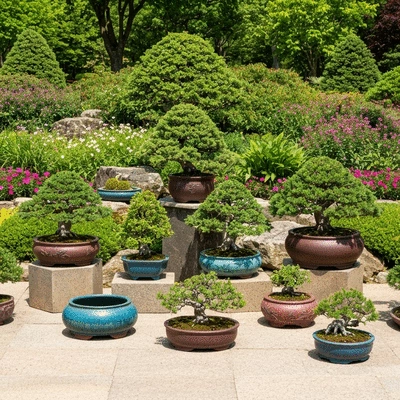
Key Pot Sizing Ratios
- 1 Pot Length: ~2/3 tree height
- 2 Pot Depth: ~1/3 tree height
- 3 Pot Height: Proportional to trunk thickness
Join Clara M. Greene's community for expert tips and seasonal guides tailored for American gardeners.
Posted on: 2026-06-12
By: Clara M. Greene
Did you know that the right bonsai pot can significantly impact the health and aesthetics of your bonsai tree? Selecting the perfect pot isn’t just about functionality; it’s an art form that reflects your gardening style. Let’s explore some vital insights that will elevate your bonsai experience!
Understanding the key ratios for pot length, depth, and height, along with recognizing signs for repotting, is crucial for a thriving bonsai. For a deeper understanding of bonsai care, consider our bonsai tree care tips. Below is a simplified guide to help you choose the right pot and know when to make a change.
As a passionate gardener, I often marvel at the beauty and intricacy of bonsai trees. A vital component of cultivating these miniature wonders is choosing the right bonsai pot. But what exactly is a bonsai pot? Let’s dive into the essentials.
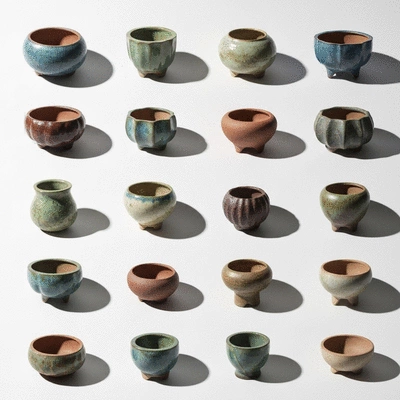
A bonsai pot is specifically designed to support the growth and artistry of bonsai trees. Unlike standard plant pots, bonsai pots come in various shapes, sizes, and materials that not only provide adequate space for roots but also enhance the overall aesthetic of the tree. These pots often have drainage holes to ensure proper watering, which is crucial for the health of your bonsai!
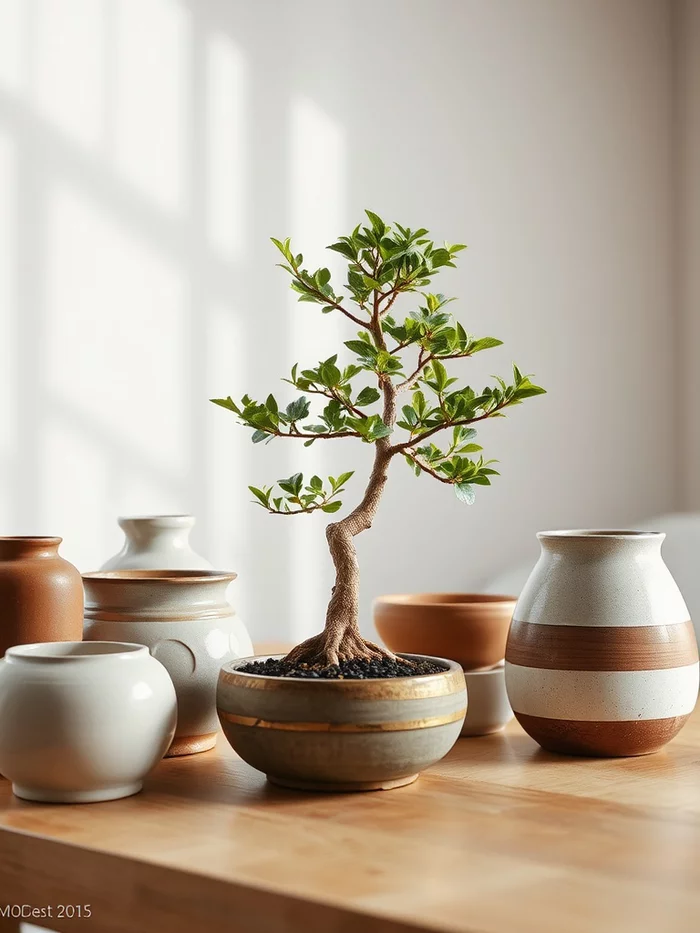
Choosing the correct bonsai pot is about more than just functionality; it's also about expressing your style as a gardener. A well-chosen pot complements the tree's design and helps showcase the beauty of the bonsai. It’s like selecting the perfect frame for a cherished painting!
When selecting a bonsai pot, size and style are key factors to consider. An appropriate pot size promotes healthy root growth and stability, while the style can create a harmonious relationship with your bonsai tree. Here are some essential points to keep in mind:
Understanding both size and style is crucial for creating a captivating display. A well-matched bonsai pot not only enhances the beauty of your tree but also supports its growth. Remember, your bonsai journey is filled with opportunities for creativity and expression!
Getting the right size for your bonsai pot can seem daunting, but I’m here to simplify it for you! There are a few key sizing rules to follow that will help ensure your bonsai thrives.
When it comes to choosing the right size for your bonsai pot, understanding the ratios of length, depth, and height is essential. Here are some general rules to guide you:
These guidelines help create a balanced look that supports healthy growth. It’s a bit of an art, but once you get the hang of it, you’ll feel confident in your pot choices!
Measuring your bonsai tree is simple and can be done with just a few tools. First, take a ruler or measuring tape and measure the height from the base to the top of the tree’s canopy. Next, measure the trunk’s thickness at its base. This will provide you with the information you need to select the perfect pot size!
Trunk thickness and canopy width are crucial when determining pot size. Generally, a thicker trunk requires a larger pot to accommodate its weight and size. Likewise, a wider canopy might need a wider pot to maintain stability. Keep these factors in mind to create a stunning visual impact!
The depth of your bonsai pot plays a significant role in root health and tree stability. Different species of bonsai have varying root structures and growth habits, which influence how deep your pot should be.
Choosing the right depth ensures that your bonsai has enough space for healthy growth while maintaining the aesthetics of the tree! Remember, the right pot depth contributes to your bonsai’s overall well-being. For more general advice on plant health, explore our tips for fixing common plant issues.
Several factors can influence root growth and the required pot depth. Soil composition, watering routines, and the tree's growth stage all play a part. If you find that your bonsai's roots are growing too quickly, consider repotting into a deeper pot to allow for proper development!
Understanding when to use shallow or deep pots is also essential. Shallow pots encourage root circulation and are great for species with less aggressive root systems. In contrast, deep pots provide necessary space for more extensive root systems. Choose wisely based on your bonsai's specific needs!
The width of your bonsai pot can significantly impact the stability and growth of your tree. A wider pot provides more room for root expansion, while a narrower pot may restrict growth. Here are some considerations:
By carefully selecting pot width, you can enhance not only the health of your bonsai but also its visual appeal!
Wider pots offer better stability, particularly for larger bonsai trees. On the flip side, a narrower pot can encourage an elegant, refined appearance. Assess your bonsai’s characteristics and select a pot width that enhances both stability and beauty to achieve a stunning display.
As you embark on your bonsai journey, what challenges have you faced in selecting the perfect pot for your tree? Share your thoughts or any tips you have below!
Choosing the right bonsai pot can be a delightful yet challenging task! However, many gardeners, including those new to the art of bonsai, often make a few key mistakes that can negatively impact their trees' health and aesthetics. Let's explore some of the most common pitfalls to avoid when selecting your bonsai pot.
One of the most significant errors is misjudging the size of the pot. A pot that's too small can restrict root growth, while one that's too large may cause the soil to retain excess moisture, leading to root rot. Remember, proper sizing is vital for maintaining a healthy bonsai tree!
To ensure optimal growth, take the time to measure your bonsai tree accurately. For instance, consider the trunk thickness and canopy width when selecting your pot size. This attention to detail will help your bonsai flourish!
Another frequent mistake is overlooking the aesthetic aspect of bonsai pot selection. The style and shape of the pot should complement the tree, enhancing its overall appearance. If the pot clashes with the tree's features, it can disrupt the visual harmony of your bonsai.
By considering both size and style, you'll set the stage for a stunning bonsai display! Remember, your bonsai is not just a plant—it's a work of art that deserves the right frame.
Repotting your bonsai at the right time is crucial for its health and growth. Knowing when to make this change can be just as important as choosing the correct pot size and style. Let’s discuss some signs that indicate it's time for a new pot!
One clear indicator that your bonsai tree needs a new pot is the appearance of roots at the surface or through the drainage holes. If you notice roots struggling for space or if the tree has outgrown its current container, it's time to consider repotting.
Paying close attention to these signs will help ensure your bonsai continues to thrive! Regularly inspecting your tree also allows you to adapt care routines as needed.
As your bonsai tree matures, its potting needs will evolve. Initially, a smaller pot may suffice, but as the tree grows, it will require a larger pot to accommodate root expansion. This is a natural progression in the life of your bonsai!
Timing is everything when it comes to repotting your bonsai. The best time to repot is during the tree's active growing season, typically in the spring. During this time, the tree can recover more quickly from the shock of being moved to a new pot.
By taking note of these seasonal cues, you can ensure your bonsai receives the care it needs at the right time! Engaging with your tree through its growth stages can be a rewarding experience. For more on seasonal gardening, check out our guide on spring prep for raised beds.
Here is a quick recap of the important points discussed in the article:
Final content section.