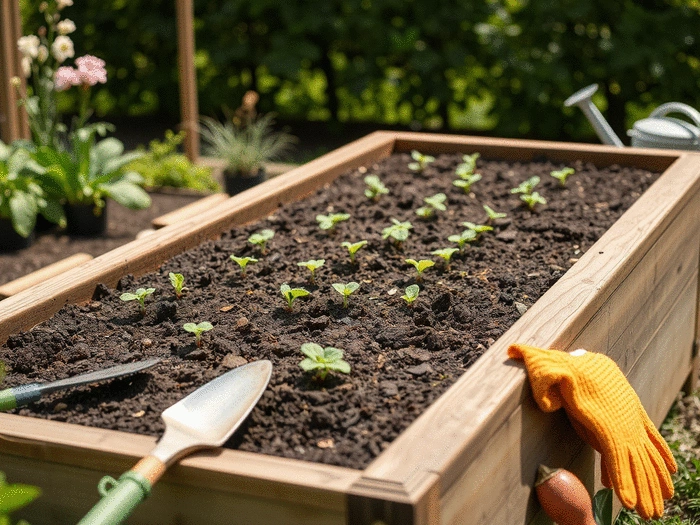
Year-Round Care Practices
- ✓Regular pest/disease checks
- ✓Add organic matter (compost)
- ✓Winter protective covers
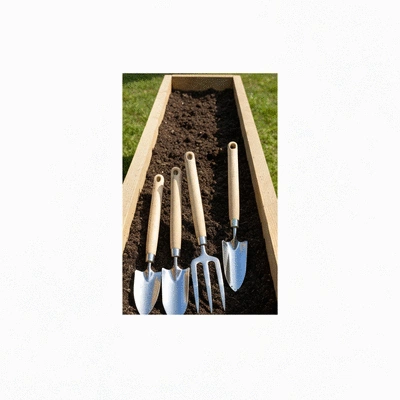
- ✓Maintain garden tools
Join Clara M. Greene's community for expert tips and seasonal guides tailored for American gardeners.
Posted on: 2026-04-23
By: Clara M. Greene
As spring approaches, many gardeners feel the buzz of anticipation for a fruitful season ahead. But what if I told you that the secret to a thriving garden lies in preparation? Let's explore how you can set the stage for success!
Maintaining your raised garden beds throughout the year simplifies spring preparation, enhances soil health, and leads to a more productive garden. Here’s a breakdown of essential practices:
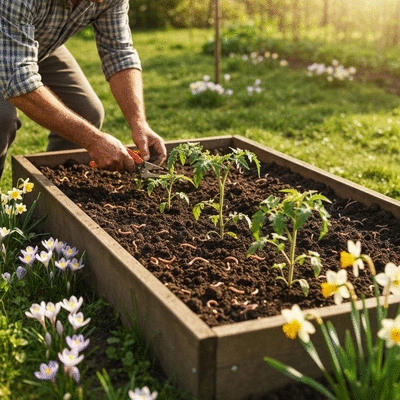
As spring approaches, it’s time to think about getting those raised garden beds ready for action! Proper preparation is the key to a thriving garden, and I can’t emphasize enough how important spring prep is for your garden's success. Let’s dive into why it matters and how we can set ourselves up for a bountiful growing season.
Spring is not just a time to plant; it’s the season of possibilities! Preparing your raised garden beds ensures that your plants have the best chance of thriving. A well-prepped garden means healthier soil, fewer pests, and ultimately, a more productive harvest. Think of it as setting the stage for a beautiful performance—your plants need a healthy environment to shine! For more insights on organic gardening, you might want to check out these organic gardening tips for beginners.
By tackling your spring prep, you’re giving your plants the love and care they deserve. Plus, it’s a great opportunity to get outside and enjoy the warmer weather—and who doesn’t love that?
Understanding your USDA zone is crucial for timing your planting. Each zone has different climatic conditions, which means your spring gardening schedule might look different from someone else's across the country. It’s essential to know when the last frost date is in your area and what plants thrive best in your specific zone!
Knowing your zone helps you plan not just what to plant, but when to start your spring adventure! I highly recommend checking out the USDA Plant Hardiness Zone Map to better understand your growing conditions.
Plant hardiness refers to how well a plant can withstand the temperature extremes of its growing zone. This factor is vital for choosing the right crops for your raised garden beds. You wouldn't want to plant tender tomatoes on a night that still dips into the frost, right?
By selecting plants that are suited to your specific climate, you’re not just increasing your chances of success—you’re also fostering a more sustainable garden. After all, gardening is about working with nature, not against it!
To maximize the health of your raised garden beds, consider using a soil testing kit. This will help you determine the pH and nutrient levels of your soil, allowing you to amend it appropriately before planting. Healthy soil is the foundation of a thriving garden!
As any gardener knows, preparation is key to a successful garden, especially when spring rolls around. But did you know that maintaining your raised garden beds throughout the year can make your spring prep so much easier? By adopting a few simple care practices, you can set yourself up for a thriving garden before the season even begins!
Implementing a year-round care routine not only enhances soil health but also minimizes the amount of work you need to do when spring arrives. Let’s explore how you can streamline this process.
These practices can help ensure that your raised garden beds are in prime condition come spring. Plus, by being proactive, you’ll save time and effort during that busy planting season.
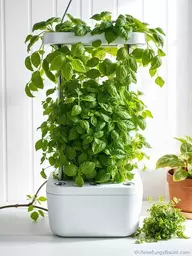
Companion planting is not just a trendy term; it’s a valuable practice that can enhance your garden’s productivity! By strategically placing plants that benefit each other, you can create a more harmonious ecosystem in your raised beds. For example, planting basil alongside tomatoes can improve their growth and flavor while also deterring pests. To learn more about this, explore our guide on companion planting guides by zone.
Each season provides a new opportunity to experiment with different combinations. Have fun discovering which pairings work best for your garden and enjoy the benefits!
Crop rotation is another essential technique for keeping your raised garden beds in tip-top shape. By changing the types of plants you grow in a particular area each season, you can help prevent nutrient depletion and reduce pest and disease buildup. This means healthier plants and a more fruitful garden!
By incorporating crop rotation into your gardening routine, you’re not only practicing sustainability but also ensuring that each growing season is more productive than the last. Trust me, your plants will thank you!
Here is a quick recap of the important points discussed in the article:
A1: Spring preparation is crucial because it promotes robust plant growth, reduces weed competition, improves moisture retention, and enhances soil fertility, setting the stage for a successful and productive harvest.
A2: Your USDA zone dictates your local climatic conditions, including the last frost date. Knowing your zone helps you time your planting correctly and select plants that will thrive in your specific temperature range, ensuring optimal growth and yield.
A3: Plant hardiness refers to a plant's ability to withstand temperature extremes in its growing zone. Considering plant hardiness ensures you select varieties that can survive and thrive in your climate, increasing your chances of a successful harvest and promoting sustainable gardening practices.
A4: Year-round care practices include regularly checking for pests and diseases, adding organic matter like compost, covering beds with protective materials in winter, and maintaining garden tools. These actions keep your beds in prime condition, reducing spring workload.
A5: Companion planting involves strategically placing beneficial plants together. This practice can improve plant yields, offer natural pest control by deterring undesirable insects, and enhance overall biodiversity in your garden, leading to a healthier ecosystem.
A6: Crop rotation involves changing the types of plants grown in an area each season. This prevents nutrient depletion, reduces the buildup of pests and diseases specific to certain crops, and maintains soil structure, leading to healthier plants and a more fruitful garden over time.