Cultivate Your Best Garden!

Join Clara M. Greene's community for expert tips and seasonal guides tailored for American gardeners.

Build Your Own Raised Garden


Build Your Own Raised Garden

Posted on: 2026-05-03
By: Clara M. Greene


Did you know that building a DIY raised garden bed can transform your gardening experience? From better soil control to a more organized outdoor space, the benefits are numerous. Let’s explore what you can gain from this rewarding endeavor.

What You Will Learn

  • DIY raised garden beds offer customization to fit various gardening spaces, from balconies to backyards.
  • Elevated structures make gardening more accessible, reducing strain on your back and knees.
  • You gain control over soil quality, which promotes healthier plant growth and minimizes issues like pests and weeds.
  • Constructing a raised bed can extend your growing season by warming the soil faster in spring.
  • Engaging with the gardening community can provide support, inspiration, and knowledge sharing to enhance your gardening skills.

Essential Elements for Your Raised Garden Bed

To successfully build and maintain your raised garden bed, here are the key components and considerations. For more detailed instructions on building, consider these tips for building garden beds:

Key Benefits of Raised Garden Beds

  • Soil Control: Customize soil mix for optimal plant health.
  • Weed Reduction: Easier maintenance, fewer weeds to battle.
  • Extended Season: Soil warms faster, allowing earlier planting.

Material Sources

  • Local Garden Centers
  • Home Improvement Stores
  • Online Retailers (e.g., Amazon)

Community Engagement

  • Join Online Forums (Reddit)
  • Attend Local Clubs
  • Share on Social Media (Instagram)

"Grow not just plants, but your knowledge."

Understanding DIY Raised Garden Beds: A Practical Guide

Welcome to the exciting world of DIY raised garden beds! Building your own raised garden bed can be a rewarding project for any home gardener. Not only does it allow for better control over your soil and plants, but it also provides an opportunity to create a beautiful, organized space for your garden. Let’s dive into the basics!

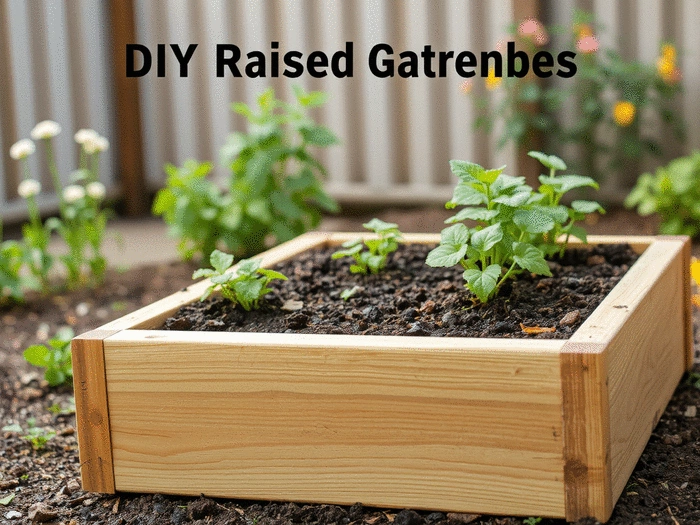
So, what exactly is a DIY raised garden bed? In simple terms, it's a garden bed that is elevated above the ground. This structure is typically framed and filled with soil, creating a defined area for your plants to grow. By using wooden boards, bricks, or other materials, you can customize the size and shape to fit your garden's needs.

What is a DIY Raised Garden Bed?

A DIY raised garden bed is essentially a container for your plants that sits above ground level. These beds can vary greatly in size, from small, portable boxes to large, permanent structures. They are perfect for growing vegetables, herbs, and flowers, and can be made with a variety of materials to suit your style and budget.

  • Customizable: You can design it to fit your specific gardening space, whether it's a small balcony or a spacious backyard.
  • Accessible: Elevated structures make gardening easier on your back and knees, especially for those with mobility challenges.
  • Better Drainage: They allow for improved drainage, which helps prevent waterlogged soil and encourages healthy root growth.

In short, DIY raised garden beds offer a straightforward solution to many common gardening challenges. They can be tailored to your needs, making them a favorite among gardeners like myself! You can learn more about the benefits of raised garden beds in our other resources.

The Benefits of Building Your Own Raised Garden Bed

Building your own raised garden bed comes with a host of benefits that can enhance your gardening experience. Not only do they look great, but they also provide practical advantages that can lead to a more fruitful garden.

  • Soil Control: You decide what type of soil to use, ensuring it meets the needs of your specific plants. This control can lead to healthier growth!
  • Weed Reduction: Raised beds can help reduce the number of weeds in your garden since they are often easier to maintain.
  • Extended Growing Season: The soil in raised beds warms up faster in spring, allowing for earlier planting and potentially longer harvest seasons.

Additionally, by constructing your own raised garden bed, you can express your creativity and make a unique addition to your outdoor space. At All American Gardeners, we believe that every gardener should have the chance to create the garden of their dreams, and building a raised bed is a fantastic first step!

Did You Know?

According to a study by the National Gardening Association, more than 35% of U.S. households are now growing their own food at home. This trend highlights the increasing popularity of home gardening, making DIY raised garden beds a fantastic investment for both novice and experienced gardeners alike!

Frequently Asked Questions About DIY Raised Garden Beds

What materials can I use to build a DIY raised garden bed?

You can use a variety of materials such as wooden boards (cedar, redwood, or untreated pine), bricks, stones, galvanized metal, or even recycled plastic lumber. Choose materials that are durable and safe for gardening.

How deep should a raised garden bed be?

For most vegetables, a depth of 10-12 inches is sufficient. This allows for adequate root growth and good drainage. If you plan to grow root crops like carrots or potatoes, consider a depth of 12-18 inches.

What kind of soil should I use for a raised garden bed?

A good soil mix for raised beds typically consists of a blend of topsoil, compost, and a small amount of perlite or vermiculite for drainage and aeration. Avoid using heavy garden soil from your yard, as it can compact easily.

How do raised garden beds help with weed control?

Raised beds reduce weed growth because you fill them with a controlled soil mix, free from weed seeds. The elevated sides also act as a barrier, making it harder for weeds to spread into your garden from surrounding areas.

Can I build a raised garden bed on concrete or a patio?

Yes, raised garden beds can be built on concrete or patios. Ensure there are drainage holes at the bottom of your bed or use a permeable liner to prevent water from pooling and to allow excess water to escape.

Wrapping Up Your DIY Raised Garden Bed Journey

Congratulations on taking the plunge into the world of DIY raised garden beds! As we wrap up this journey, it’s important to think about the next steps you can take to expand your garden with ease. Whether you’re looking to grow your first vegetable patch or add a variety of herbs and flowers, I’m here to guide you every step of the way!

When planning to expand your garden, consider the following strategies:

  • Plan for Seasonal Changes: Adapt your planting schedule to include crops that thrive in different seasons.
  • Experiment with Companion Planting: Combine plants that benefit each other for improved yields and pest control.
  • Diversify Your Plant Choices: Grow a mix of vegetables, fruits, and ornamental plants to create a vibrant garden.

Expanding your garden not only increases your harvest but also enhances the beauty of your outdoor space. Remember, you can always refer back to All American Gardeners for tips and resources as you grow!

Next Steps: Expanding Your Garden with Ease

As you embark on your gardening adventure, you might want to consider the best materials for your raised beds. Here are some fantastic sources to find quality materials online:

  • Local Garden Centers: Often carry high-quality soil and organic amendments.
  • Home Improvement Stores: Ideal for the structural components of your raised bed.
  • Online Retailers: Websites like Amazon or specialty gardening sites often have deals on bulk soil or gardening kits.

Each of these options can cater to your specific gardening needs, helping you save time and money while ensuring you have the best start possible.

Where to Find Quality Materials and Kits Online

Finding the right materials is key to the success of your raised garden bed. I encourage you to explore various online platforms for the best choices. Here are a few tips to help you with your search:

  • Read Reviews: Look for customer feedback to gauge the quality and effectiveness of products.
  • Check for Sustainable Options: Prioritize eco-friendly materials whenever possible to support sustainable gardening practices.
  • Look for Local Suppliers: Supporting local businesses not only helps the community but often provides more personalized service and products.

With these tips in mind, you’ll have everything you need to create a thriving garden that you can be proud of! For more seasonal advice, check out our spring prep for raised beds guide.

Engaging with the Gardening Community

One of the most rewarding aspects of gardening is the community that surrounds it. Engaging with fellow gardeners can provide you with invaluable insights and inspiration. I encourage you to share your experiences and learn from others in the gardening network!

Sharing Your Experiences and Learning from Others

Don’t hesitate to reach out and connect with other gardeners. Here are some ways to share your journey:

  • Join Online Forums: Platforms like Reddit and gardening-specific groups on Facebook are excellent for sharing your progress and asking questions.
  • Attend Local Gardening Clubs: Connecting with fellow gardeners in person can lead to friendships and shared knowledge.
  • Use Social Media: Share photos of your garden on Instagram or Pinterest to get feedback and ideas from a broader audience.

Remember, every gardener starts somewhere, and sharing your journey can inspire others to take their first steps toward creating their own garden!

Feedback and Tips for Future Projects

As you dive deeper into your gardening endeavors, don’t shy away from seeking feedback. Engaging with the community can lead to new ideas and constructive criticism that can enhance your gardening skills. Here are some questions to ponder:

  • What worked well this season? Reflect on the successes you experienced and consider repeating those strategies.
  • What challenges did you face? Identifying obstacles can help you develop solutions for future gardening seasons.
  • What resources were most helpful? Keep track of the guides or community members that provided the best advice along your journey.

With every project, you grow not just plants but your gardening knowledge as well! Embrace the learning process, and before you know it, you’ll be a local gardening expert! Don't forget that simple plant propagation techniques can further expand your gardening efforts.

Recap of Key Points

Here is a quick recap of the important points discussed in the article:
  • Customizable Design: Create raised garden beds tailored to your specific gardening space and style.
  • Improved Accessibility: Elevated beds make gardening easier for those with mobility challenges.
  • Soil Control: You have the freedom to choose the soil mix that best suits your plants’ needs.
  • Weed Reduction: Raised beds help minimize weed growth, making maintenance simpler.
  • Season Extension: Warmer soil temperatures in raised beds allow for earlier planting and extended harvests.
  • Community Engagement: Connect with other gardeners through forums and social media to share experiences and gain insights.

Subscribe & Share
Growing Lemon Thyme at Home Growing Lemon Thyme at Home Have you ever considered how a single herb can transform your culinary experiences and beautify your
Understanding Hydroponic Tower Gardening Understanding Hydroponic Tower Gardening Have you ever considered how a simple structure could transform your gardening experience? Hydroponi
Heirloom Seeds for Your Garden Heirloom Seeds for Your Garden What if your garden could tell a story? Heirloom seeds not only flourish under the sun but also carr
Eco-Friendly Lawn Fertilizer Options Eco-Friendly Lawn Fertilizer Options When it comes to nourishing your lawn, the switch to organic fertilizers might be the most significa
Mulch for Healthy Plants Mulch for Healthy Plants Did you know that mulching not only enhances the beauty of your garden but also plays a pivotal role
Easy Perennials for Your Zone Easy Perennials for Your Zone Have you ever considered how the right plants can transform your garden into a lush paradise? Unders
Banner
All American Gardeners

Your premier online resource for mastering home gardening across the U.S. We empower American home gardeners with expert tips, step-by-step guides, and sustainable practices for thriving outdoor spaces.

Trusted by gardeners nationwide, our mission is to provide reliable, easy-to-follow insights backed by Clara M. Greene's extensive horticulture experience and practical advice.

Cultivate Your Garden
Recent Posts
Growing Lemon Thyme at Home Growing Lemon Thyme at Home

Have you ever considered how a single herb can tra

Understanding Hydroponic Tower Gardening Understanding Hydroponic Tower Gardening

Have you ever considered how a simple structure co

Heirloom Seeds for Your Garden Heirloom Seeds for Your Garden

What if your garden could tell a story? Heirloom s

Gardening Wisdom from All American Gardeners