Cultivate Your Best Garden!

Join Clara M. Greene's community for expert tips and seasonal guides tailored for American gardeners.

Soil Choices for Raised Beds


Soil Choices for Raised Beds

Posted on: 2026-06-12
By: Clara M. Greene


Soil is the foundation of any thriving garden, and understanding its quality is crucial for success. A well-informed gardener makes better choices, leading to abundant harvests and healthier plants. Ready to dig deep into soil selection? Let’s explore!

What You Will Learn

  • The vital role of soil quality in determining plant health and yield.
  • Characteristics of ideal soil for raised garden beds, including texture and pH balance.
  • The significance of organic matter in enhancing soil health and moisture retention.
  • Practical tips for measuring soil needs and finding local suppliers for quality ingredients.

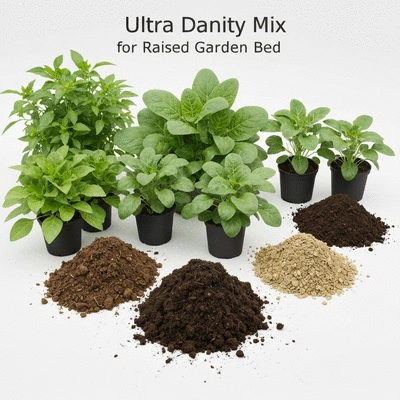
Optimizing Soil Mix for Raised Garden Beds

Achieving a bountiful raised garden requires understanding key soil characteristics, the role of organic matter, and practical considerations for sourcing and cost-efficiency. For more detailed guidance on setting up your garden, consider these tips for building garden beds.

Understanding soil mix for raised garden beds

Key Characteristics of
Ideal Raised Bed Soil

  • Loamy Texture: Good drainage & nutrient retention.
  • Organic Matter: Enhances fertility & moisture retention.
  • pH Balance (6.0-7.0): Optimal nutrient absorption.
🌱

Role of
Organic Matter in Soil

  • Improved Soil Structure: Promotes air circulation.
  • Nutrient Supply: Releases nutrients as it decomposes.
  • Enhanced Microbial Activity: Better nutrient cycling.
🍂

Calculating
Soil Needs

  1. Measure Length, Width, Height (in feet).
  2. Formula: Volume = L x W x H.
  3. Example: 4'L x 2'W x 1'H = 8 cubic feet.

*Start with a balanced mix of topsoil, compost, and amendments.*

📐

Cost & Sourcing
Considerations

  • Compare prices (local garden centers & bulk discounts).
  • Look for organic/locally sourced for better quality.
  • Make your own compost to reduce costs.
💰

Understanding the Importance of Choosing the Right Soil for Raised Garden Beds

Choosing the right soil for your raised garden beds is essential for gardening success! At All American Gardeners, we believe that the foundation of a thriving garden starts with quality soil. After all, healthy plants begin with healthy soil. Whether you're a novice gardener or a seasoned pro, understanding soil quality can make all the difference in your garden's productivity.

When it comes to gardening, the soil is not just a place for your plants to grow. It provides essential nutrients, holds moisture, and supports root structure. Poor soil quality can lead to stunted growth or even plant failure. That's why investing time to understand your soil is crucial—your garden will thank you! For more insights on soil health, read our guide on healthy soil for thriving gardens.

Why Soil Quality Matters in Gardening Success

The quality of soil directly impacts plant health and yield. Good soil contributes to a strong root system, enabling plants to absorb moisture and nutrients effectively. In fact, here are some key reasons why soil quality matters:

  • Nutrient Availability: Quality soil is rich in essential nutrients that plants need to thrive.
  • Water Retention: Well-structured soil retains moisture better, reducing the need for frequent watering.
  • Microbial Life: Healthy soil is teeming with beneficial microbes that help decompose organic matter and enhance nutrient availability.

As a passionate gardener, I can attest that investing in good soil pays off with bountiful harvests! Remember, your plants are only as good as the soil they grow in.

Characteristics of Ideal Raised Bed Soil

So, what exactly makes up the ideal soil for raised garden beds? A perfect soil mix combines several characteristics that promote healthy plant growth:

  • Loamy Texture: A mix of sand, silt, and clay promotes good drainage and nutrient retention.
  • Organic Matter: Incorporating compost or other organic materials enhances fertility and moisture retention.
  • pH Balance: Ensuring a neutral pH (around 6.0 to 7.0) supports optimal nutrient absorption.

As you prepare your raised beds, consider these characteristics to ensure your plants have a nurturing environment. After all, those ripe tomatoes and lush greens depend on it!

The Role of Organic Matter in Soil Quality

Organic matter is a game-changer in soil health. It acts like a sponge, retaining moisture and nutrients while providing a habitat for important soil organisms. Here’s why organic matter should be a priority in your raised bed soil:

  • Improved Soil Structure: Organic matter helps bind soil particles together, creating a crumbly texture that promotes air circulation.
  • Nutrient Supply: As organic matter decomposes, it releases nutrients that plants need to grow.
  • Enhanced Microbial Activity: A healthy population of microorganisms thrives on organic matter, leading to better nutrient cycling.

Incorporating organic materials into your soil not only boosts its quality but also enriches your gardening experience. As I always say, a little organic matter goes a long way in helping your garden flourish!

Pro Tip

Did you know? Adding a layer of mulch on top of your raised bed soil can significantly improve moisture retention and weed control. This simple step not only helps your plants thrive but also reduces the amount of time you spend on maintenance!

Practical Guidance for Soil Selection and Maintenance

When it comes to raised garden beds, choosing the right soil is crucial for a thriving garden! It’s not just about filling your bed with dirt; you need to think about the specific needs of your plants. In this section, we'll explore how to measure and calculate your soil needs, consider costs, and find local suppliers. Let’s dig in!

Measuring and Calculating Soil Needs for Your Beds

Before you start purchasing soil, it's essential to measure your raised bed dimensions accurately. Knowing the volume of soil you need will save you time and money. Here’s a simple way to calculate it:

  • Measure the length, width, and height of your raised bed in feet.
  • Use the formula: Volume = Length x Width x Height.
  • If your bed is 4 feet long, 2 feet wide, and 1 foot deep, you'll need 8 cubic feet of soil.

Once you have your volume, consider how much soil mix you want to include. I often recommend starting with a balanced mix of topsoil, compost, and other amendments. This ensures your plants have a healthy environment to thrive!

Cost Considerations: Getting the Best Value

Gardening can be an enriching yet sometimes costly endeavor. To get the best value for your raised bed soil, consider the following tips:

  • Compare prices from different suppliers—local garden centers often have bulk discounts.
  • Look for organic or locally sourced options as they typically provide better quality.
  • Consider making your own compost to offset costs and enrich your soil. Find out more with our simple steps for home composting guide.

By keeping an eye on your budget and taking advantage of local resources, you can build a beautiful garden without breaking the bank!

Finding Local Soil Suppliers for Quality Ingredients

Finding the right soil suppliers is key to ensuring you get quality ingredients for your raised beds. Start by checking out local garden centers, as they often carry a range of soils and amendments specifically designed for gardening. Here are some tips for finding the best local options:

  • Ask fellow gardeners in your area for recommendations.
  • Visit farmer’s markets or community gardening events to discover local suppliers.
  • Check online platforms like Yelp or Google Maps for reviews of nearby suppliers.

By sourcing local, you not only support your community but also get soil suited to your region's specific growing conditions. It’s a win-win!

Frequently Asked Questions About Raised Bed Soil

What is the ideal soil texture for raised garden beds?

The ideal soil texture for raised garden beds is loamy, which is a balanced mix of sand, silt, and clay. This texture ensures good drainage while retaining essential nutrients and moisture.

Why is organic matter important in raised bed soil?

Organic matter is crucial because it improves soil structure, promotes air circulation, releases nutrients as it decomposes, and enhances microbial activity, all of which contribute to healthier plant growth and better nutrient cycling.

What is the recommended pH balance for raised garden bed soil?

A neutral pH balance, typically between 6.0 and 7.0, is recommended for raised garden beds. This range supports optimal nutrient absorption for most plants.

How do I calculate the amount of soil needed for my raised bed?

To calculate your soil needs, measure the length, width, and height of your raised bed in feet. Then, use the formula: Volume = Length x Width x Height. For example, a 4'L x 2'W x 1'H bed requires 8 cubic feet of soil.

What are some cost-saving tips for sourcing raised bed soil?

To save costs, compare prices from different local garden centers, look for bulk discounts, seek out organic or locally sourced options, and consider making your own compost to enrich your soil.

Recap of Key Points

Here is a quick recap of the important points discussed in the article:
  • Choosing the right soil is essential for the health and productivity of your garden.
  • Ideal raised bed soil should have a loamy texture, incorporate organic matter, and maintain a neutral pH balance.
  • Organic matter significantly improves soil structure, nutrient availability, and microbial activity.
  • Accurate measurement of your raised bed dimensions helps in calculating the correct volume of soil needed.
  • To get the best value for your soil, compare prices, look for local organic options, and consider making your own compost.
  • Sourcing soil from local suppliers not only ensures quality but also supports your community.
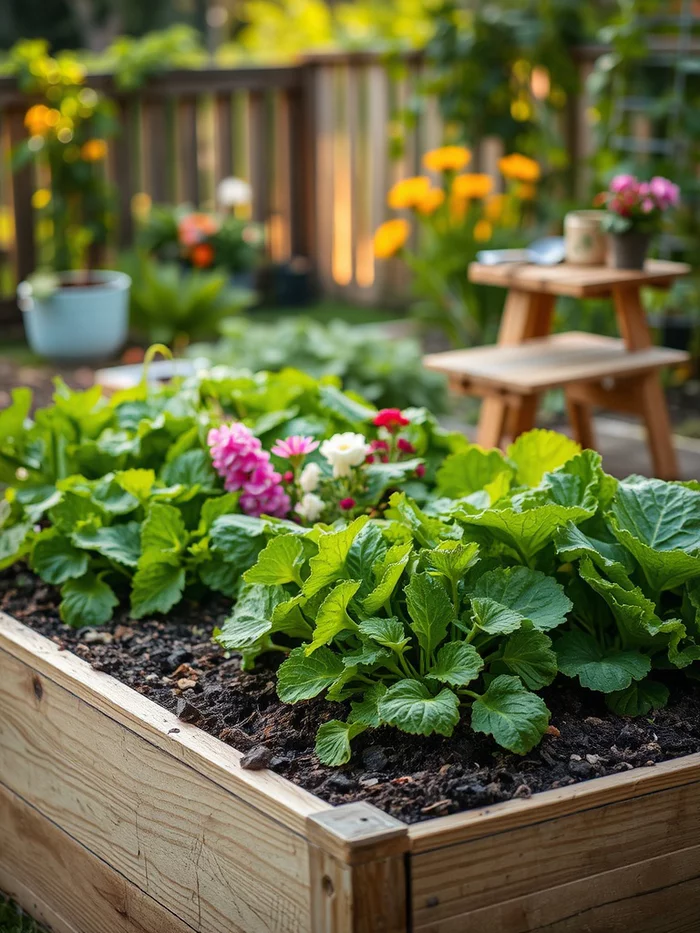
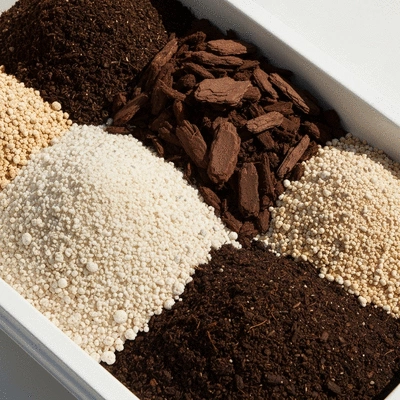
Quality soil for raised garden beds
Subscribe & Share
Caring for Azalea Bonsai Flowers Caring for Azalea Bonsai Flowers Caring for azalea bonsai can transform your gardening experience, turning a simple hobby into a vibr
Growing Hydroponic Lettuce at Home Growing Hydroponic Lettuce at Home Hydroponic gardening is revolutionizing how we grow our food. With innovative techniques and sustain
Bonsai vs. Pre-Bonsai Explained Bonsai vs. Pre-Bonsai Explained What if your next gardening project was not just about planting but creating a living art piece? Und
Creating a Chamomile Garden Creating a Chamomile Garden Did you know that incorporating chamomile in your garden can do more than just provide beautiful blo
Growing Green Bean Seeds Easily Growing Green Bean Seeds Easily Did you know that the right soil preparation can significantly impact the success of your green bean
Growing Thai Basil from Seeds Growing Thai Basil from Seeds Did you know that incorporating herbs like Thai basil can significantly enhance both the flavor of y
Banner
All American Gardeners

Your premier online resource for mastering home gardening across the U.S. We empower American home gardeners with expert tips, step-by-step guides, and sustainable practices for thriving outdoor spaces.

Trusted by gardeners nationwide, our mission is to provide reliable, easy-to-follow insights backed by Clara M. Greene's extensive horticulture experience and practical advice.

Cultivate Your Garden
Recent Posts
Caring for Azalea Bonsai Flowers Caring for Azalea Bonsai Flowers

Caring for azalea bonsai can transform your garden

Growing Hydroponic Lettuce at Home Growing Hydroponic Lettuce at Home

Hydroponic gardening is revolutionizing how we gro

Bonsai vs. Pre-Bonsai Explained Bonsai vs. Pre-Bonsai Explained

What if your next gardening project was not just a

Gardening Wisdom from All American Gardeners