Why Choose Organic Pest Control?
- ✓Healthier Environment
- ✓Safer Gardens (for children, pets, beneficial insects)
- ✓Long-term Sustainability & Soil Health
- ✓Better Taste (for produce)
Join Clara M. Greene's community for expert tips and seasonal guides tailored for American gardeners.
Posted on: 2026-03-26
By: Clara M. Greene
In the journey of sustainable gardening, understanding the importance of organic pest control can transform your garden into a flourishing ecosystem. By embracing natural methods, you not only protect your plants but also contribute to a healthier environment.
This visual compares the key benefits of organic pest control methods against traditional chemical approaches, highlighting the advantages for health and sustainability.
As we dive into the world of home gardening, understanding organic pest control methods becomes essential for creating a thriving garden. With a growing emphasis on sustainability, many gardeners are opting for solutions that are both effective and environmentally friendly. By choosing organic methods, we not only protect our plants but also contribute to a healthier ecosystem! For those just starting, exploring organic gardening tips for beginners can provide a solid foundation.
Organic pest control focuses on using natural substances and techniques to manage pests without the harsh chemicals found in conventional methods. This approach not only helps in maintaining soil health but also ensures that our gardens remain safe for beneficial insects, pets, and even ourselves. So, let’s explore why switching to organic pest control is a wise choice!
Choosing organic pest control allows us to support biodiversity while effectively managing pests. Here are some compelling reasons to make the switch:
By embracing organic pest control, we create a nurturing environment that supports both our gardens and the planet. It’s a win-win situation!
At All American Gardeners, we believe that sustainable practices are crucial for any home gardener. These practices help conserve resources, reduce waste, and create a vibrant ecosystem in our backyards. Here’s why they matter:
Implementing these practices not only enriches our gardening experiences but also contributes to a better planet for future generations!
Two of the most critical aspects of sustainable gardening are soil health and the use of organic fertilizers. Healthy soil is the foundation of any thriving garden, and here’s how we can achieve it:
Healthy soil leads to robust plants that are better equipped to fend off pests and diseases. By nurturing our soil, we set the stage for a successful gardening journey!
Did you know? Incorporating companion planting into your organic gardening strategy can significantly enhance pest control and promote plant health! For example, planting marigolds alongside your vegetables can deter harmful pests while attracting beneficial insects. This simple technique not only boosts your garden's resilience but also makes for a more vibrant and diverse planting scheme.
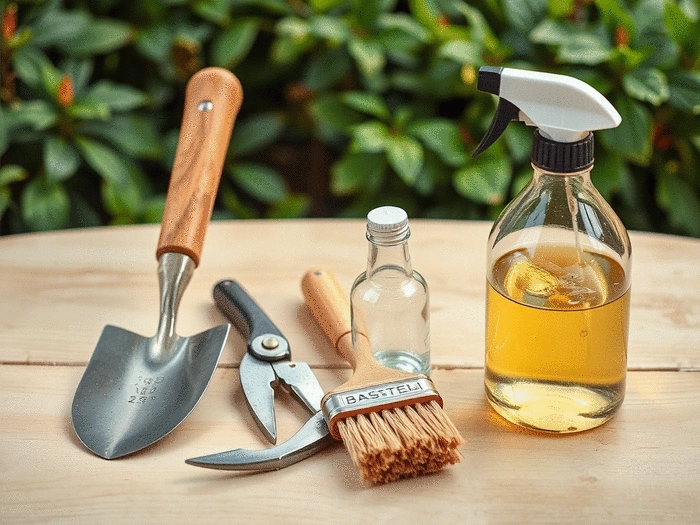
As we wrap up our exploration of organic pest control tools, it's essential to recognize the variety of options available to home gardeners. By utilizing eco-friendly solutions, you’re not only protecting your plants but also contributing to a healthier environment. Let’s recap some key tools we've discussed and their benefits:
Each of these tools plays a vital role in a sustainable gardening strategy, empowering you to manage pests effectively while maintaining a healthy garden ecosystem.
At All American Gardeners, I strongly believe in a natural-first approach to gardening. Choosing organic methods not only helps protect our precious pollinators and beneficial insects but also fosters a deeper connection with nature. It’s about understanding the balance that exists within your garden and working with it rather than against it.
By implementing sustainable practices, you're on your way to creating a thriving garden that not only looks good but feels good too! Remember, gardening is a journey, and every step towards sustainability counts!
Ready to step up your gardening game? Finding the right tools is essential! Look for eco-certified gardening tools at local garden centers or online marketplaces. Websites like All American Gardeners often feature recommendations for trusted suppliers, ensuring you get the best products for your needs.
Don’t hesitate to reach out to your local gardening community for advice on where to find the best tools!
Gardening is always more enjoyable when done together! If you’re looking for ongoing tips, support, and camaraderie, I invite you to join the All American Gardeners community. Here, you can share your experiences, ask questions, and learn from fellow gardening enthusiasts. Together, we can foster a love for sustainable practices and make gardening accessible for everyone!
As you build your organic gardening toolkit, don’t overlook the value of organic seeds! These seeds not only promote biodiversity but also yield plants that are better adapted to local growing conditions. Choosing organic seeds is a step towards ensuring your garden is resilient and sustainable. For more detailed information, consider reading our guide on effective natural pest control tips.
Utilizing sustainable practices in your gardening journey leads to healthier plants and a more vibrant ecosystem. Remember, every effort you make contributes to a better world for generations to come. Embrace the beauty of organic gardening, and let’s grow together!
Here is a quick recap of the important points discussed in the article:
Organic pest control uses natural substances and techniques to manage garden pests, avoiding harsh chemicals. This approach prioritizes environmental health, soil vitality, and the safety of beneficial insects, pets, and humans.
Organic pest control offers several benefits, including a healthier environment by minimizing chemical runoff, safer gardens for children and pets, long-term sustainability through improved soil health, and often better-tasting produce. It supports biodiversity and a balanced ecosystem.
Common organic pest control tools include neem oil (a natural pesticide), diatomaceous earth (a natural powder that dehydrates pests), various traps (for slugs and beetles), and essential oils (as natural repellents).
Sustainable practices, such as maintaining healthy soil, using organic fertilizers, composting, and encouraging biodiversity through companion planting, create a robust garden ecosystem. This makes plants more resilient to pests and diseases naturally, reducing the need for intervention.
Yes, one of the primary advantages of organic pest control is that it is generally much safer for beneficial insects compared to chemical methods. Products like neem oil are designed to target specific pests while being gentle on helpful pollinators and predators.