Cultivate Your Best Garden!

Join Clara M. Greene's community for expert tips and seasonal guides tailored for American gardeners.

Growing Microgreens from Seeds


Growing Microgreens from Seeds

Posted on: 2026-06-25
By: Clara M. Greene


Have you ever wondered how tiny plants can boost your health and enhance your meals? Microgreens not only add vibrant flavors and colors to your dishes but also come packed with essential nutrients. Let's explore the key takeaways from this essential guide that will empower your gardening journey!

What You Will Learn

  • Microgreens are nutrient-dense seedlings, providing up to 40 times the nutrients of mature vegetables.
  • They can enhance the flavor and presentation of your dishes, serving as great garnishes or salad additions.
  • Understanding the difference between sprouts and microgreens is essential—microgreens have a more robust flavor and nutritional profile.
  • Choosing high-quality, organic, and non-GMO seeds supports sustainable gardening practices and ensures a healthy harvest.

Microgreens: Nutritional & Varietal Overview

Microgreens are celebrated for their significant nutritional benefits and diverse culinary applications. For those looking to start their gardening journey, it's helpful to also consider choosing the right gardening seeds to ensure a successful and rewarding experience. Below is an overview of their key health advantages and popular varieties.

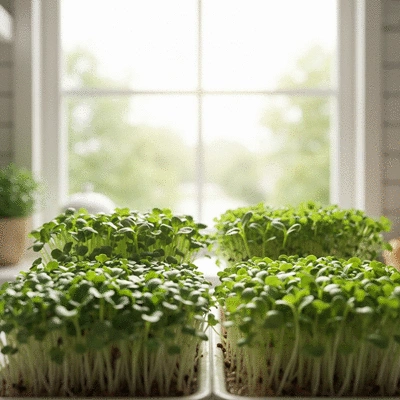
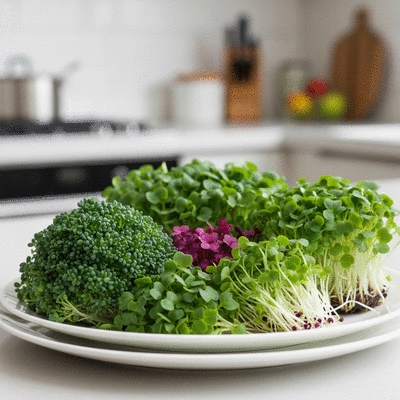
Microgreens growing in a bright kitchen setting, showcasing various types like radish and sunflower, no text, no words, no typography, clean image

Health Benefits: Why Choose Microgreens?

  • Up to 40x nutrients of mature vegetables.
  • Rich in antioxidants, combating oxidative stress.
  • Supports heart health and reduces inflammation.

Popular Varieties

  • Radish: Peppery flavor, adds a kick.
  • Sunflower: Mild, nutty taste, great for salads.
  • Broccoli: Nutrient-packed, earthy flavor.

Unique Varieties

  • Mustard: Zesty, spices up dishes.
  • Arugula: Peppery bite, perfect for salads.
  • Beet: Ruby-red, hint of sweetness.

Understanding Microgreens Seeds: An Essential Guide

Microgreens are tiny, edible plants that pack a flavorful punch in a small package! They’re not just trendy but also incredibly easy to grow at home, making them a perfect choice for both novice and experienced gardeners. Here at All American Gardeners, I’m excited to guide you through the world of microgreens, highlighting their benefits, varieties, and how to grow them successfully!

What Are Microgreens and Why Choose Them?

Microgreens are young seedlings harvested just after the first true leaves develop. They come in various flavors and colors, and their vibrant appearance can brighten up any dish! One of the best parts about choosing microgreens is their nutritional value. These little powerhouses are rich in vitamins, minerals, and antioxidants, providing a significant health boost in just a few bites.

Health Benefits of Microgreens

  • High nutrient density, offering up to 40 times the nutrients of mature vegetables!
  • Rich in antioxidants, which help combat oxidative stress.
  • Supports heart health and may help reduce inflammation.

The discovery of the health benefits of microgreens has inspired many gardeners to incorporate them into their diets. It’s astonishing how such small plants can make a big impact on our health! If you're looking for more general health tips for your plants, you might find our guide on plant care tips for home gardeners particularly useful.

The Versatility of Microgreens in Cooking

Microgreens are not just nutritious; they’re also incredibly versatile in the kitchen! You can use them in various ways, such as:

  • Adding them to salads for an extra crunch.
  • Garnishing soups and sandwiches for a touch of color.
  • Mixing into dips and dressings for added flavor.

The vibrant colors and flavors of microgreens elevate everyday meals, making your dishes not only healthier but also visually appealing. Imagine serving a fresh salad topped with radiant radish microgreens! Yum!

Exploring Different Types of Microgreens Seeds

When it comes to microgreens, the variety is truly exciting! With so many options to choose from, it can be hard to decide which to grow. Let's dive into some popular varieties and what makes them special!

Popular Varieties: Radish, Sunflower, and Broccoli Microgreens

  • Radish: Known for their peppery flavor, radish microgreens add a great kick to any dish.
  • Sunflower: These have a mild, nutty taste and are perfect for salads and sandwiches.
  • Broccoli: A superfood packed with nutrients, broccoli microgreens offer a gentle, earthy flavor.

These varieties are great starting points for those new to growing microgreens, as they are easy to cultivate and offer a good return on investment in both flavor and health benefits. Trust me, you’ll love them!

Understanding the Distinction Between Sprouts and Microgreens

Many people confuse sprouts and microgreens, but they are quite different! Sprouts are germinated seeds that are eaten whole, while microgreens are harvested after they’ve developed true leaves. This distinction is essential because microgreens typically have a more robust flavor and offer more nutrients.

Introducing Unique Varieties: Mustard, Arugula, and Beet Microgreens

If you’re feeling adventurous, consider trying some unique microgreens like:

  • Mustard: With a zesty flavor, mustard microgreens can spice up your dishes.
  • Arugula: Known for its peppery bite, arugula microgreens are perfect for salads.
  • Beet: These gorgeous, ruby-red microgreens add a hint of sweetness.

Exploring different microgreens expands your gardening experience and introduces you to new flavors and textures in your cooking!

Quality Matters: How to Choose the Right Microgreens Seeds

Selecting high-quality seeds is crucial for growing successful microgreens. Let’s discuss some factors to consider when choosing your seeds. For example, understanding a simple guide to organic seed starting can greatly improve your success rate.

Why Go Organic? The Benefits of Untreated and Non-GMO Seeds

Opting for organic, untreated, and non-GMO seeds means you’re supporting sustainable practices and ensuring the health of your garden. These seeds are typically more resilient and can bring a healthier harvest.

Evaluating Germination Rates and Seed Quality

  • Check the seed packet for germination rates—higher rates usually indicate better seed quality!
  • Look for seeds that are fresh and have been stored properly.
  • Consider brands known for their quality; they often provide reliable germination results.

By ensuring you have high-quality seeds, you set yourself up for success from the start!

What to Look for in Microgreens Growing Kits

If you’re new to growing microgreens, a growing kit can be a great choice. Here are some features to consider:

  • Included seeds should be of high quality and suitable for microgreen growing.
  • The kit should provide nutrient-rich soil or growing medium.
  • Look for clear instructions to help guide you through the growing process.

Choosing the right kit can simplify your growing experience and help you achieve the best results!

Growing Microgreens: A Step-by-Step Approach

Now that we’ve covered the essentials of microgreens seeds, let’s jump into the exciting part: growing them! Follow these steps to cultivate your own microgreens.

Engage with Our Community!

What are your favorite microgreens to grow? Share your thoughts below and connect with fellow gardening enthusiasts!

Frequently Asked Questions About Microgreens

Microgreens are young, edible seedlings of vegetables and herbs, harvested just after the cotyledon leaves have fully developed and the first true leaves have emerged. They are much smaller than baby greens and mature vegetables.

Sprouts are germinated seeds eaten whole, including the root, seed, and shoot, typically grown in water. Microgreens are grown in soil or a growing medium and are harvested by cutting the stem just above the soil line, after they develop their first true leaves. Microgreens generally have a more robust flavor and higher nutritional content.

Microgreens are highly nutrient-dense, often containing up to 40 times the nutrients of their mature counterparts. They are rich in vitamins, minerals, and antioxidants, which help combat oxidative stress, support heart health, and reduce inflammation.

Popular varieties for beginners include radish (peppery), sunflower (mild, nutty), and broccoli (earthy). These are relatively easy to grow and offer excellent flavor and nutritional benefits.

Choosing organic, untreated, and non-GMO seeds supports sustainable gardening practices, minimizes exposure to harmful chemicals and genetically modified organisms, and often results in healthier and more flavorful microgreens. These seeds are typically more resilient and provide a healthier harvest.

Wrapping Up Your Microgreens Experience

As we come to the end of our journey exploring microgreens, it’s essential to reflect on the importance of making sustainable choices in seed selection. Choosing seeds that are organic and non-GMO not only benefits your health but also contributes positively to the environment. By supporting sustainable practices, you foster a healthier ecosystem that promotes biodiversity and ensures the quality of your homegrown greens!

Why Sustainable Practices Matter in Seed Selection

In my experience as a passionate gardener, I’ve seen firsthand how selecting sustainable seeds can lead to vibrant and healthy plants. Here are some reasons to consider sustainable practices:

  • Environmental Impact: Organic seeds contribute to soil health and reduce chemical runoff.
  • Health Considerations: Non-GMO seeds minimize exposure to harmful pesticides and genetically modified organisms.
  • Flavor and Nutritional Value: Many organic microgreens tend to have richer flavors and higher nutritional content.

By prioritizing sustainability, you’re not only enhancing your gardening experience but also making a positive impact on our planet!

Taking the Next Step: Resources and Where to Buy Microgreens Seeds

Ready to dive into the world of microgreens? Here are some trusted resources where you can find quality microgreens seeds:

  • Local garden centers often carry a variety of organic microgreens seeds.
  • Online retailers like All American Gardeners offer curated seed selections and comprehensive growing kits.
  • Farmers' markets can be a fantastic place to meet local growers and find unique seed varieties.

As you embark on this exciting growing journey, don’t hesitate to explore different sources to find the best seeds for your needs!

Harvesting Microgreens: Best Practices for Optimal Flavor and Nutrition

Harvesting microgreens is where the magic happens! To ensure you get the best flavor and nutrition from your tiny greens, follow these best practices:

  • Wait until your microgreens have developed their first true leaves, indicating they’re ready for harvest.
  • Use clean, sharp scissors to snip the microgreens just above the soil line.
  • Harvest in the morning for the freshest flavor and to maximize nutrient content.

With these simple tips, you can enjoy the freshest microgreens in your salads, sandwiches, and smoothies! Remember, the joy of gardening is in the journey, so celebrate every step along the way!

Engage with Our Community of Microgreen Enthusiasts

At All American Gardeners, we believe that sharing experiences enriches our gardening journey. I’d love to hear about your microgreens success stories!

Share Your Growing Journey: Feedback and Testimonials

Have you started your own microgreens garden? I encourage you to share your stories and tips with our community! Your feedback helps inspire others and fosters a sense of belonging among fellow gardening enthusiasts. For more inspiration on community gardening and eco-friendly practices, consider checking out our article on organic gardening tips for beginners.

Subscribe for More Tips and Guides on Microgreens

Don’t miss out on our latest articles and updates! By subscribing to All American Gardeners, you’ll receive valuable tips and guides that will empower you to grow a thriving microgreens garden. Join us in this green adventure, and let’s cultivate beautiful spaces together!

Recap of Key Points

Here is a quick recap of the important points discussed in the article:
  • Microgreens are nutrient-dense plants, offering health benefits like antioxidants and support for heart health.
  • They can be used in various dishes, enhancing flavor and visual appeal.
  • Choosing high-quality, organic, and non-GMO seeds contributes to successful microgreen gardening.
  • Understanding the difference between sprouts and microgreens is essential for optimal growth and flavor.
  • Harvesting microgreens at the right time and with proper techniques maximizes their flavor and nutritional content.
Freshly harvested microgreens displayed in a kitchen, showcasing vibrant colors and healthy appearance, no text, no words, no typography, clean image
Subscribe & Share
Caring for Azalea Bonsai Flowers Caring for Azalea Bonsai Flowers Caring for azalea bonsai can transform your gardening experience, turning a simple hobby into a vibr
Growing Hydroponic Lettuce at Home Growing Hydroponic Lettuce at Home Hydroponic gardening is revolutionizing how we grow our food. With innovative techniques and sustain
Bonsai vs. Pre-Bonsai Explained Bonsai vs. Pre-Bonsai Explained What if your next gardening project was not just about planting but creating a living art piece? Und
Creating a Chamomile Garden Creating a Chamomile Garden Did you know that incorporating chamomile in your garden can do more than just provide beautiful blo
Growing Green Bean Seeds Easily Growing Green Bean Seeds Easily Did you know that the right soil preparation can significantly impact the success of your green bean
Growing Thai Basil from Seeds Growing Thai Basil from Seeds Did you know that incorporating herbs like Thai basil can significantly enhance both the flavor of y
Banner
All American Gardeners

Your premier online resource for mastering home gardening across the U.S. We empower American home gardeners with expert tips, step-by-step guides, and sustainable practices for thriving outdoor spaces.

Trusted by gardeners nationwide, our mission is to provide reliable, easy-to-follow insights backed by Clara M. Greene's extensive horticulture experience and practical advice.

Cultivate Your Garden
Recent Posts
Caring for Azalea Bonsai Flowers Caring for Azalea Bonsai Flowers

Caring for azalea bonsai can transform your garden

Growing Hydroponic Lettuce at Home Growing Hydroponic Lettuce at Home

Hydroponic gardening is revolutionizing how we gro

Bonsai vs. Pre-Bonsai Explained Bonsai vs. Pre-Bonsai Explained

What if your next gardening project was not just a

Gardening Wisdom from All American Gardeners