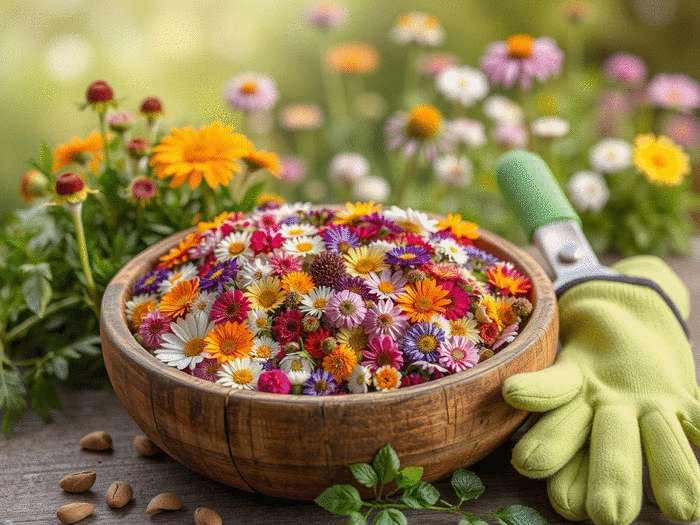
Did you know that incorporating wildflower seeds into your garden can transform not just your outdoor space, but also support local ecosystems? Here are some essential insights to help you embrace the beauty and benefits of wildflowers!
What You Will Learn
Wildflower seeds come from native plants and can include annuals, perennials, and biennials, each contributing uniquely to your garden.
Planting wildflowers helps attract essential pollinators like bees and butterflies, enhancing the health of your garden.
Many wildflowers are drought-resistant, making them suitable for low-maintenance gardening.
Selecting native seeds tailored to your local climate can improve soil health and support local ecosystems.
A diverse range of wildflower species can create a stunning, vibrant garden landscape throughout the seasons.
Engaging with local gardening communities can provide valuable knowledge and support for your wildflower gardening journey.
Wildflower Power: Types & Benefits for Your Garden
Discover the diverse world of wildflower seeds and the incredible advantages they bring to your garden and local ecosystem. Choosing the right gardening seeds is the first step towards a thriving, beautiful space.
Types of Wildflower Seeds
Annuals
Complete life cycle in one growing season, offering vibrant, temporary blooms.
Perennials
Return year after year, providing lasting beauty and stability to the garden.
Biennials
Bloom in their second year, adding unique variety and staggered flowering times.
Benefits of Planting Wildflowers
Attract Pollinators
Boosts garden health by drawing in bees, butterflies, and other essential pollinators.
Drought Resistance
Ideal for low-maintenance gardens, surviving with minimal watering once established.
Improve Soil Health
Prevents erosion, adds organic matter, and enhances nutrient content in the soil.
Key Considerations for Selection
Assess Conditions
Evaluate your garden's sunlight exposure and soil type for optimal growth.
Research Native Species
Choose plants native to your region for better adaptation and ecological support.
Check Seed Quality
Ensure seeds are from sustainable sources and of high quality for best results.
Understanding Wildflower Seeds and Their Benefits
As a gardener, I’ve always been fascinated by the beauty and resilience of wildflowers. But wildflower seeds are more than just pretty blooms; they play a crucial role in creating vibrant ecosystems. Whether you have a sprawling garden or a cozy balcony, incorporating wildflower seeds can transform your outdoor space into a lively sanctuary for both plants and wildlife!
So, what exactly are wildflower seeds? They are seeds from a variety of flowering plants that thrive naturally in a given region. Unlike traditional garden flowers, wildflowers often require less maintenance and are adapted to local soil and climate conditions. This makes them an excellent choice for gardeners looking to embrace the beauty of nature in their own backyards!
What Are Wildflower Seeds?
Wildflower seeds come from native plants that grow in various habitats across the United States. These seeds can be a mix of annuals, perennials, and biennials, each contributing uniquely to your garden. By choosing the right mix, you can ensure that there's blooming beauty from early spring to late fall!
**Annuals**: These plants complete their life cycle in one growing season.
**Perennials**: These return year after year, providing lasting beauty.
**Biennials**: These plants bloom in their second year, adding variety to your garden.
When selecting wildflower seeds, it's essential to consider your local climate and soil conditions. Opting for seeds that are native to your area will not only enhance the beauty of your garden but also support local ecosystems! For more information on adapting your garden to your local environment, explore resources on USDA Hardiness Zones explained.
Benefits of Planting Wildflower Seeds in Your Garden
Planting wildflower seeds can significantly benefit your garden and the surrounding environment. Here are a few advantages to consider:
Attract Pollinators: Wildflowers are known to attract bees, butterflies, and other pollinators, ensuring your garden thrives.
Drought Resistance: Many wildflowers are drought-tolerant, making them ideal for low-maintenance gardens.
Soil Health: These plants help improve soil quality by preventing erosion and enhancing nutrient content.
By incorporating wildflowers into your garden, you're not just beautifying your space; you're also contributing to the health of the environment. It’s a win-win situation that I love to share with fellow gardeners!
Exploring the Diversity of Wildflower Species
The world of wildflowers is incredibly diverse! From vibrant poppies to delicate daisies, there’s a wildflower for every taste. Here are a few popular species you might want to consider for your garden:
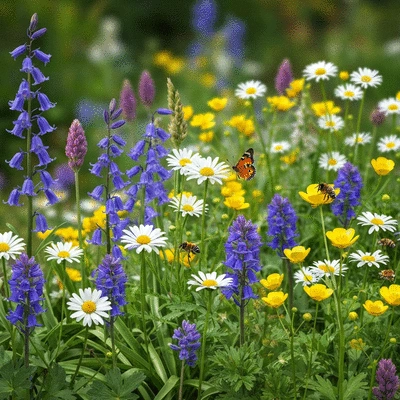
California Poppy: Known for its bright orange petals, it's the state flower of California!
Black-Eyed Susan: This cheerful flower can light up any garden with its golden-yellow hue.
Bluebell: With its lovely blue hue, it brings a touch of magic to woodland gardens.
Each wildflower species offers unique colors, shapes, and blooms, ensuring that your garden will be a stunning sight throughout the seasons. Embrace the variety and consider mixing several species for a dynamic and lively garden landscape!
Interactive Poll: Your Favorite Wildflower
We want to know what wildflower captivates you the most! Please take a moment to share your thoughts:
Frequently Asked Questions About Wildflower Seeds
What are the main types of wildflower seeds?
Wildflower seeds generally fall into three categories: annuals (complete their life cycle in one season), perennials (return year after year), and biennials (bloom in their second year). A mix of these can provide continuous blooms.
What are the benefits of planting wildflowers?
Planting wildflowers attracts essential pollinators like bees and butterflies, helps improve soil health by preventing erosion and adding organic matter, and many species are drought-resistant, requiring less watering.
How do I choose the right wildflower seeds for my garden?
Consider your local climate, soil conditions, and the amount of sunlight your garden receives. It's best to choose native species that are adapted to your region for optimal growth and ecological support.
Where can I find quality wildflower seeds?
You can find quality wildflower seeds at local nurseries, garden centers, online catalogs, and through seed swaps or community exchanges. Look for reputable vendors who source sustainably.
Do wildflowers require a lot of maintenance?
Generally, wildflowers are low-maintenance, especially if you choose native species that are adapted to your local climate. Once established, many are drought-resistant and thrive with minimal intervention.
Wrapping Up Your Wildflower Journey
As we come to the end of our wildflower exploration, it’s essential to reflect on the journey that awaits you in your own garden! Choosing the right wildflower seeds can truly transform your outdoor space into a vibrant tapestry of colors and life. Remember, whether you’re a beginner or a seasoned gardener, every choice you make contributes to the beauty and health of your garden.
When selecting wildflower seeds, consider factors like your region, the specific environment of your garden, and the benefits you wish to achieve. It’s all about making the right choices that resonate with your gardening aspirations!
Making the Right Choice for Your Garden
Choosing the perfect wildflower seeds can be a rewarding experience! Here’s a handy checklist to guide your selection:
Assess your garden’s sunlight and soil conditions.
Research local native wildflower species.
Consider the pollinators and wildlife you’d like to attract.
Check the seed quality and source for sustainability.
Plan for seasonal changes in your garden's layout.
By checking off these items, you can ensure that your wildflower garden flourishes beautifully. Don’t hesitate to reach out to fellow gardeners or resources at All American Gardeners for more tailored advice!
Where to Find More Resources and Community Support
Connecting with fellow gardeners can make all the difference in your wildflower journey! There are numerous resources available where you can expand your knowledge and gain support:
Join local gardening clubs or online forums.
Visit community gardens for hands-on learning.
Explore websites like All American Gardeners for expert tips and guides.
Attend workshops or seminars in your area.
Remember, having a community to share your experiences and challenges can enrich your gardening journey significantly. Together, we can cultivate beautiful and sustainable gardens across America! For those interested in sustainable practices, check out these organic gardening tips for beginners.
Your Next Steps in Gardening with Wildflower Seeds
Now that you're armed with knowledge about wildflower seeds, it’s time to take action! Starting your wildflower garden can be a fun and fulfilling project that brings joy and beauty to your landscape. Let’s dive into your next steps!
Explore Local Vendors and Online Options
Finding the right source for your wildflower seeds is crucial! Here are some great places to start your search:
Local nurseries and garden centers often have region-specific seeds.
Online catalogs can offer a wider variety of seeds, including rare species.
Seed swaps and community exchanges can be a great way to get started.
Check out trusted vendors like Wildseed Farms and Baker Creek Seeds.
By exploring both local and online options, you ensure access to quality seeds that are suited for your area. This way, you can kickstart your wildflower garden with confidence!
Start Your Wildflower Garden Today!
There’s no better time than now to put your plans into action! Gather your materials, pick your seeds, and prepare your garden bed. Remember to:
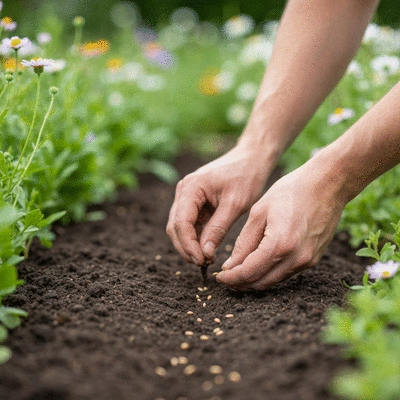
Prepare the soil adequately by loosening it and adding compost.
Follow the planting instructions on your seed packets carefully.
Be patient and enjoy the growth process, as nature takes its course!
Every garden starts with a single seed, and soon enough, you’ll see the fruits of your labor thrive! For tips on preparing your soil and garden beds, consider reading our guide on tips for building garden beds.
Connecting with Local Flora and Gardening Communities
As you embark on your wildflower journey, remember that you're not alone! Engaging with local flora and fellow gardeners enriches your experience. Here are some ideas to get involved:
Visit local parks and nature reserves to observe wildflowers in their natural habitat.
Participate in community gardening projects to learn from others.
Share your progress on social media and connect with other gardening enthusiasts.
By immersing yourself in your gardening community, you’ll not only foster your own skills but also contribute to the collective passion for nurturing our beautiful planet! Happy gardening!
Recap of Key Points
Here is a quick recap of the important points discussed in the article:
Wildflower seeds come from native plants and require less maintenance, adapting well to local soil and climate conditions.
Planting wildflowers can attract pollinators, improve soil health, and enhance drought resistance.
Choose a mix of annuals, perennials, and biennials to ensure blooming from spring to fall.
Consider local climate and specific garden conditions when selecting wildflower seeds.
Engage with local gardening communities and resources for support and knowledge sharing.
Subscribe & Share
2026-08-28
Growing Herbs with Hydroponics
Why settle for store-bought herbs when you can grow your own at home, in any space? Hydroponic garde
2026-08-27
Growing Sweet Corn from Seeds
Ready to transform your gardening experience? Selecting the right sweet corn seeds can make all the
Growing Your Own Garlic Bulbs
As you prepare to embark on your journey of growing garlic, consider this: garlic cultivation isn't
All American Gardeners
Your premier online resource for mastering home gardening across the U.S. We empower American home gardeners with expert tips, step-by-step guides, and sustainable practices for thriving outdoor spaces.
Trusted by gardeners nationwide, our mission is to provide reliable, easy-to-follow insights backed by Clara M. Greene's extensive horticulture experience and practical advice.